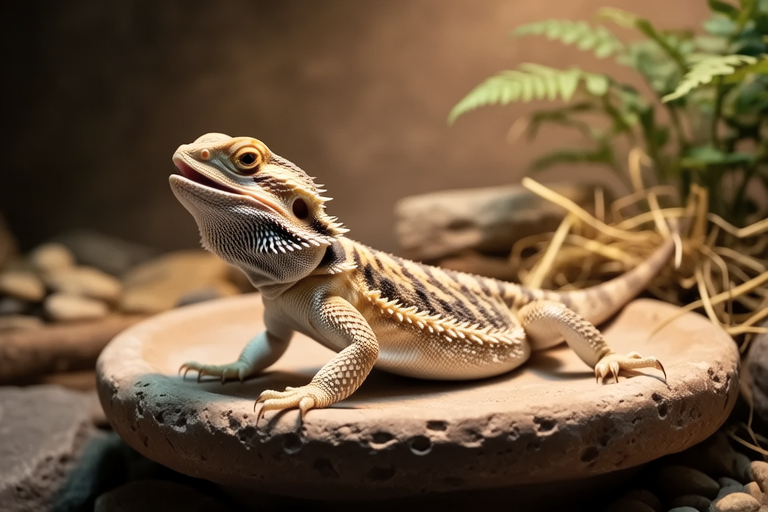
Ultimate Guide: How to Make Your Bearded Dragon Happy and Healthy
Welcome to your comprehensive guide on how to ensure your bearded dragon lives a happy and healthy life. This guide covers everything from setting up the perfect habitat to understanding their dietary needs and recognizing signs of illness.
Setting Up the Ideal Habitat
The first step towards ensuring your bearded dragon’s happiness and health is providing an ideal living environment. A well-planned habitat will make your pet feel secure and comfortable. The enclosure should be large enough to allow movement and exploration. For adult bearded dragons, a minimum tank size of 4x2x2 feet (length x width x height) is recommended.
Substrate selection is crucial as it affects your dragon’s health. Opt for safe substrates like reptile carpet or paper towels. Avoid loose substrates such as sand or wood shavings which can cause impaction if ingested.
Incorporate hiding spots, climbing branches, and rocks for basking. These elements provide enrichment and mimic natural environments, promoting mental stimulation.
Temperature and Lighting Requirements
Maintaining the correct temperature gradient within the enclosure is vital for digestion and overall health. Install a thermometer to monitor temperatures at different points in the tank. Provide a hot spot of around 100°F (38°C) using a heat lamp or ceramic heater, while keeping cooler areas between 75-80°F (24-27°C).
UVB lighting is essential for calcium absorption and preventing metabolic bone disease. Use a high-quality UVB bulb that emits 10% UVB light, replacing it every six months. Position the light so that it reaches the basking area, and ensure your dragon spends several hours under this light daily.
Dietary Needs and Feeding Schedules
A balanced diet ensures your bearded dragon thrives. Their diet should consist mainly of insects like crickets, dubia roaches, and mealworms. Offer a variety to meet nutritional needs. Feed juveniles daily, reducing frequency to every other day for adults.
In addition to protein sources, include leafy greens such as collard greens, mustard greens, and dandelion greens. These vegetables provide necessary vitamins and minerals. Avoid iceberg lettuce and spinach due to their low nutritional value and potential calcium-binding properties.
Vary the diet by offering occasional treats like fruits or cooked lean meats. Ensure all food items are gut-loaded with calcium powder before feeding. Gut-loading involves feeding insects a nutritious diet rich in calcium and vitamins for 24-48 hours prior to feeding them to your dragon.
Hydration Methods
Bearded dragons obtain most of their water through their food. However, they also require access to fresh water. Place a shallow dish filled with clean water in the enclosure. Monitor the water level daily, cleaning and refilling as needed.
Another effective method is misting the enclosure with water. This mimics rainfall and encourages drinking. Mist twice daily, especially during warmer months when humidity levels may drop.
Regular Health Check-Ups
Scheduling routine veterinary visits helps maintain your dragon’s health. An experienced reptile veterinarian can perform comprehensive examinations, checking for parasites, skin issues, and dental problems. They can also advise on vaccinations and preventive care.
At home, observe your dragon daily for any changes in behavior or physical appearance. Early detection of issues can lead to quicker resolution and better outcomes.
Signs of Illness
Recognizing signs of illness allows prompt intervention. Common symptoms include lethargy, loss of appetite, swollen eyes, runny stools, and difficulty breathing. If you notice any of these signs, consult a veterinarian immediately.
Metabolic bone disease (MBD) is prevalent among bearded dragons. Symptoms include weak limbs, swollen jaw, and reluctance to move. Prevent MBD by providing adequate UVB lighting, calcium supplementation, and a balanced diet.
Tips for Handling and Socializing Bearded Dragons
Handling your bearded dragon regularly helps build trust and strengthens the bond between you and your pet. Always wash hands before and after handling to prevent the spread of bacteria.
When picking up your dragon, support its body fully, lifting gently from underneath. Avoid grabbing by the tail as it can detach as a defense mechanism.
Encourage social interaction through gentle play and positive reinforcement. Reward good behavior with treats and praise. Over time, your dragon will become more comfortable and responsive to handling.
Conclusion
By following these guidelines, you create a nurturing environment where your bearded dragon can thrive. Regular attention to their specific needs ensures they remain healthy and content. Enjoy the rewarding experience of caring for these fascinating creatures.
