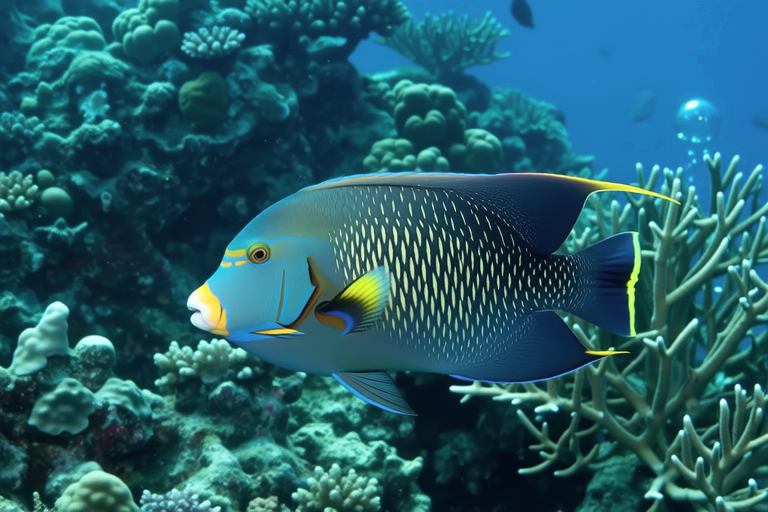
Meet the Masters of Camouflage: The Incredible Parrot Fish
The world’s oceans are home to an incredible array of creatures, each with its own unique adaptations that help it survive in its marine environment. Among these, the parrot fish stands out as one of the most fascinating due to its remarkable ability to change colors and patterns for camouflage. This article delves into the life of the parrot fish, exploring its diet, habitat, social behavior, and the threats it faces, all while highlighting its impressive camouflage abilities.
The Color-Changing Artists of the Sea
Parrot fish, belonging to the family Scaridae, are known for their vibrant colors and striking patterns, but what makes them truly extraordinary is their ability to change these colors and patterns at will. This adaptation is crucial for their survival, allowing them to blend seamlessly into their surroundings and avoid becoming prey.
These color changes are not just random; they serve specific purposes. For instance, juvenile parrot fish often mimic the appearance of other species to confuse predators. As they grow older, they develop more complex patterns that help them hide among coral reefs or seagrass beds. Some species can even alter their coloration to match the time of day, appearing lighter during the day and darker at night, which aids in avoiding detection by nocturnal hunters.
The mechanism behind this remarkable ability lies in specialized cells called chromatophores, which expand or contract depending on the fish’s needs. These cells contain pigments that reflect light in different ways, creating the illusion of changing colors. This process is so efficient that it allows parrot fish to shift their appearance almost instantly, making them masters of disguise.
A Diet of Coral and Seagrass
Parrot fish have a diet that sets them apart from many other marine creatures. They primarily feed on algae growing on coral reefs and seagrass beds. Their strong beak-like mouths, equipped with fused teeth, allow them to scrape away layers of coral and rock to reach the algae beneath. This feeding habit plays a vital role in maintaining the health of coral reefs, as it prevents overgrowth of algae that could otherwise smother the corals.
In addition to their beaks, parrot fish also possess pharyngeal jaws located further back in their throats. These additional jaws help grind up the coral and rock before digestion, ensuring that only the nutritious algae are consumed. After processing their food, parrot fish excrete fine sand, contributing significantly to the formation of tropical beaches.
This unique diet not only sustains the parrot fish but also supports the overall ecosystem. By controlling algae growth, they indirectly promote the health of coral reefs, which provide shelter and breeding grounds for countless other marine species.
Habitat and Social Behavior
Parrot fish inhabit warm, shallow waters around the world, particularly in tropical and subtropical regions. They are commonly found in coral reefs, lagoons, and seagrass beds, where they can find ample food sources and protection from predators. Many species prefer areas with abundant coral formations, as these provide both food and hiding spots.
Socially, parrot fish exhibit diverse behaviors depending on the species. Some live solitary lives, while others form large schools for protection against predators. During mating season, parrot fish engage in elaborate courtship rituals, with males often displaying bright colors to attract females. Once a pair has formed, they may establish a territory and work together to care for their eggs.
Interestingly, some species of parrot fish undergo sex changes during their lifetime. Known as protogynous hermaphroditism, this phenomenon occurs when younger females transform into males as they age. This adaptation ensures that there are always enough males available for reproduction, increasing the chances of successful mating.
Threats to Survival
Despite their remarkable adaptations, parrot fish face numerous threats that put their survival at risk. One of the main challenges is overfishing, as their meat is highly valued in many parts of the world. Additionally, the destruction of coral reefs due to climate change, pollution, and human activities poses a significant threat to their habitats. Without healthy coral reefs, parrot fish lose both their primary food source and protective cover.
Pollution, especially plastic waste and chemical runoff, further harms parrot fish by contaminating their food and altering their environment. Moreover, ocean acidification, caused by increased carbon dioxide levels, weakens coral structures, making it harder for parrot fish to access their food and find safe places to rest.
To combat these threats, conservation efforts are underway to protect parrot fish and their habitats. Marine protected areas have been established to limit fishing activities and allow ecosystems to recover. Additionally, public awareness campaigns aim to reduce pollution and encourage sustainable practices that benefit both marine life and humans.
The Future of Parrot Fish
The future of parrot fish depends on our collective efforts to preserve their habitats and protect them from overexploitation. By supporting conservation initiatives and promoting sustainable practices, we can ensure that these magnificent creatures continue to thrive in our oceans.
As we learn more about parrot fish and their essential role in marine ecosystems, it becomes clear that their survival is intertwined with ours. Protecting these colorful, adaptable fish not only safeguards biodiversity but also contributes to the health of our planet’s oceans.
In conclusion, parrot fish are truly remarkable creatures with unique adaptations that make them masters of camouflage. Their ability to change colors and patterns, combined with their important role in maintaining coral reef health, highlights the importance of preserving these fascinating animals. By understanding and appreciating parrot fish, we can work towards a future where they continue to thrive in their natural habitats.
