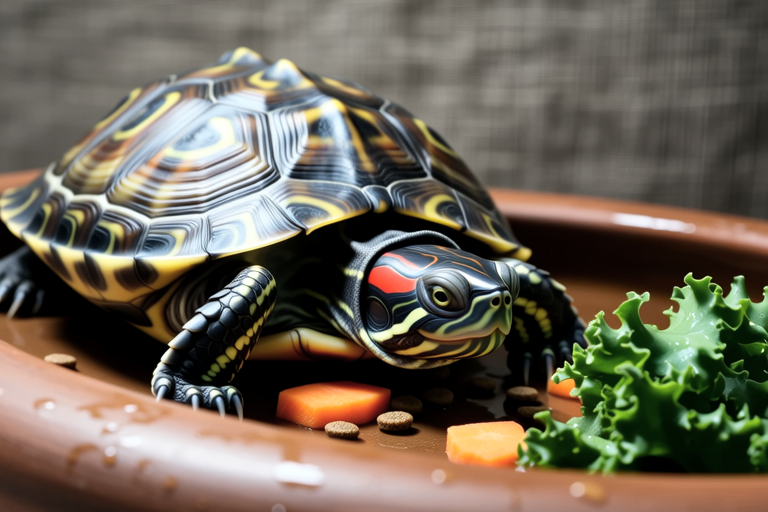
Ultimate Guide to Feeding Your Red-eared Slider for Vibrant Health
Red-eared sliders are popular aquatic turtles known for their vibrant green shells and friendly demeanor. Proper nutrition is crucial for their growth, longevity, and overall health. A well-balanced diet ensures that your red-eared slider remains active, healthy, and vibrant. This guide will provide you with all the necessary information to feed your turtle correctly, ensuring its optimal health throughout its lifespan.
Dietary Needs of Red-eared Sliders
Red-eared sliders require a balanced diet that includes proteins, vegetables, and occasional fruits. Their dietary needs vary according to age, with juveniles needing more protein than adults. The primary goal is to provide a diet rich in nutrients that support their growth, immune system, and organ function. A well-fed turtle will have a healthy appetite, clear eyes, and a strong, shiny shell.
The Importance of a Balanced Diet
A balanced diet consists of proteins, vegetables, and occasional fruits. Proteins are essential for muscle development and repair. Vegetables provide fiber, vitamins, and minerals, while fruits offer essential antioxidants. Juveniles need a higher percentage of protein (around 40-50%) compared to adults, who require less (approximately 20-30%). It’s important to avoid overfeeding, as excess weight can lead to health issues like fatty liver disease.
Calcium and Vitamin D3: Essential Nutrients
Calcium and vitamin D3 are crucial for shell and bone health. Calcium helps maintain strong bones and prevents metabolic bone disease, which can cause deformities. Vitamin D3 aids in calcium absorption. Sources of calcium include commercial turtle pellets, leafy greens, and calcium supplements. Vitamin D3 can be obtained from UVB lighting or natural sunlight. Providing a calcium block or cuttlebone in the tank can also help turtles meet their calcium requirements.
Feeding Schedule for Different Life Stages
Feeding Juveniles
Young turtles, up to one year old, should be fed daily. Feed them high-protein turtle pellets and offer small amounts of live foods like earthworms, crickets, or mealworms. Supplement their diet with finely chopped vegetables such as collard greens, dandelion leaves, and carrots. Juvenile turtles may also enjoy small pieces of fruit like strawberries or blueberries.
Feeding Adults
Adult turtles, one year and older, should be fed every other day. Their diet should consist of 20-30% protein, primarily from commercial pellets. Supplement their meals with dark leafy greens, shredded carrots, and small amounts of fruit. Avoid feeding adult turtles too much protein, as it can lead to obesity and health problems. Provide calcium and vitamin D3 supplements to ensure proper shell and bone development.
Tips for Choosing and Preparing Food
Choose high-quality commercial turtle pellets that are specifically formulated for aquatic turtles. These pellets should contain a balance of proteins, fats, carbohydrates, vitamins, and minerals. Fresh vegetables should be washed thoroughly before feeding. Avoid pesticides and chemicals by growing your own vegetables or purchasing organic produce. When preparing food, chop it into bite-sized pieces suitable for your turtle’s size. Store any unused food in airtight containers to prevent spoilage.
Avoiding Harmful Foods
Some foods can be harmful to red-eared sliders. Avoid feeding them iceberg lettuce, as it lacks nutritional value and can cause digestive issues. Other harmful foods include chocolate, avocados, onions, garlic, and processed human foods. Never feed your turtle bread or crackers, as these can cause blockages in their digestive tract. Always research the safety of new foods before introducing them to your turtle’s diet.
Maintaining Water Quality
Poor water quality can lead to health problems for your red-eared slider. Regularly clean the tank and change the water to prevent bacterial growth. Use a filter to keep the water clean and free of debris. Test the water regularly for pH levels, ammonia, and nitrite levels. Maintain a temperature range of 75-80°F (24-27°C) in the basking area and 72-76°F (22-24°C) in the water.
Supplements and Sunlight/UVB Lighting
Supplements can help ensure your turtle gets enough calcium and vitamin D3. Use a calcium supplement without added phosphorus and a multivitamin supplement twice a week. Provide UVB lighting for 10-12 hours a day to aid in vitamin D3 synthesis. If possible, allow your turtle to bask under natural sunlight for short periods, ensuring they are protected from predators and overheating.
Common Feeding Mistakes to Avoid
Overfeeding is a common mistake among turtle owners. Excess food can lead to obesity and health problems. Another mistake is feeding only one type of food, leading to nutritional deficiencies. Avoid feeding your turtle too many fruits, as they can cause diarrhea and malnutrition. Finally, neglecting water quality can lead to health issues, so always monitor and maintain clean water.
Resources for Further Learning
For more information on feeding red-eared sliders, consult books, articles, and forums dedicated to turtle care. Join online communities where experienced owners share their knowledge and experiences. Attend local reptile expos and workshops to learn from experts in turtle care. Stay informed about the latest research and best practices to ensure your turtle lives a long and healthy life.
