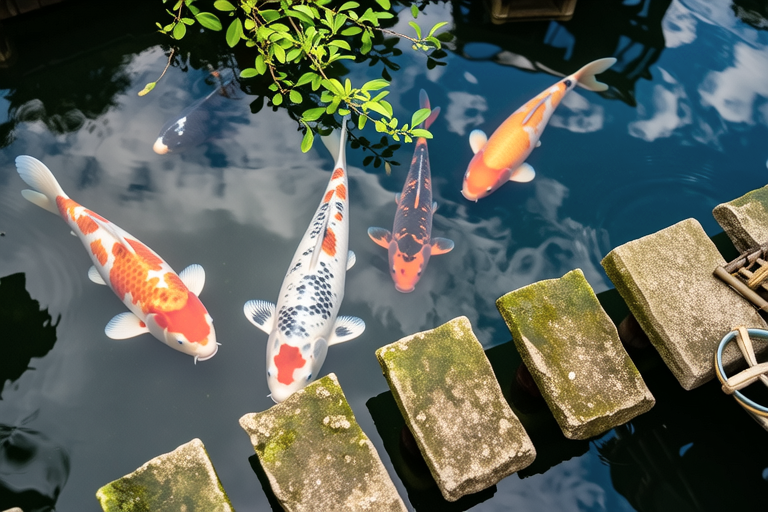
Transform Your Backyard With Vibrant Koi Fish
The Appeal of Koi Fish and Their Significance in Garden Design
Koi fish, known for their vibrant colors and graceful movements, have long been cherished for their beauty and tranquility. Originating from Japan, these ornamental fish, also known as nishikigoi, have been admired for centuries. Koi fish are not just aesthetically pleasing; they also symbolize good fortune, perseverance, and longevity. Incorporating koi into your backyard can transform it into a peaceful oasis, adding a touch of elegance and serenity.
The presence of koi fish can significantly enhance the ambiance of any outdoor space. Their slow, deliberate swimming patterns provide a soothing visual experience, making them ideal for relaxation and meditation. Additionally, koi ponds can become focal points in gardens, attracting visitors and guests with their mesmerizing beauty. The gentle splash of water and the occasional ripple caused by the fish create a calming atmosphere that promotes peace and tranquility.
Planning and Building a Suitable Pond for Koi
Creating a home for koi fish requires careful planning to ensure the well-being of the fish and the overall aesthetic appeal of the pond. The first step is determining the appropriate size and depth of the pond. Generally, a pond should be at least 3 feet deep, with deeper areas providing additional comfort for the koi during colder months. The recommended size of the pond depends on the number of fish you intend to keep. A common rule of thumb is to allow approximately 20 gallons of water per inch of koi. For instance, a 1-foot-long koi would require about 80 gallons of water.
The location of the pond is crucial for both the fish’s health and the overall appearance of the garden. Choose a spot that receives partial sunlight, as too much direct sunlight can promote algae growth. Ensure the area is level and free from potential sources of contamination, such as runoff or pesticides. Proper excavation and construction techniques are essential to prevent leaks and ensure the pond’s structural integrity.
Filtration systems play a vital role in maintaining clean and healthy water for the koi. There are various types of filters available, including biological, mechanical, and chemical filters. Biological filters help break down harmful ammonia and nitrite levels, while mechanical filters remove debris and waste. Chemical filters use activated carbon or other media to absorb toxins and improve water clarity. Regular maintenance of these systems ensures optimal water quality.
Oxygenation is equally important for the well-being of koi fish. A properly aerated pond provides sufficient oxygen for the fish to thrive. Incorporating waterfalls, fountains, or air pumps can help increase oxygen levels in the water. These features not only enhance the aesthetic appeal of the pond but also contribute to the overall health of the aquatic ecosystem.
Maintaining Water Quality and Temperature
Water quality is paramount for the health and longevity of koi fish. Regular monitoring of pH levels, ammonia, nitrite, and nitrate concentrations is necessary to maintain a balanced aquatic environment. pH levels should ideally range between 7.0 and 8.5, ensuring the water is slightly alkaline. Ammonia and nitrite levels should be kept at zero, while nitrate levels should remain below 40 parts per million (ppm). Regular water changes and the use of beneficial bacteria can help control these parameters.
Temperature regulation is another critical aspect of koi care. Koi are cold-water fish and prefer temperatures between 68°F and 77°F (20°C to 25°C). However, they can tolerate a wide range of temperatures, from 41°F to 86°F (5°C to 30°C). During colder months, it is essential to protect the pond from freezing temperatures. This can be achieved by installing heaters, insulating the pond, or using de-icers to prevent ice formation on the surface. Maintaining a stable temperature range helps reduce stress on the fish and minimizes the risk of disease.
Feeding and Caring for Koi Fish
Proper nutrition is essential for the growth, health, and vitality of koi fish. A balanced diet should include high-quality pellets, flakes, or sticks designed specifically for koi. These feeds typically contain a mix of proteins, fats, carbohydrates, vitamins, and minerals necessary for optimal health. It is important to feed koi fish small amounts of food multiple times a day rather than large quantities at once. Overfeeding can lead to excess waste and poor water quality.
In addition to regular feeding, koi fish require periodic health checks to ensure they remain in top condition. Look for signs of illness, such as lethargy, loss of appetite, unusual spots, or changes in behavior. If you notice any concerning symptoms, consult a veterinarian specializing in aquatic animals for proper diagnosis and treatment. Preventive measures, such as maintaining clean water, providing adequate hiding spots, and minimizing stress, can help minimize the risk of diseases.
Aesthetic Benefits of Having Koi in the Backyard
The presence of koi fish in a backyard can significantly enhance the overall aesthetic appeal of the space. Their vibrant colors and graceful movements add a dynamic element to any garden. Koi ponds often incorporate natural elements such as rocks, plants, and waterfalls, creating a harmonious blend of nature and artistry. The gentle splash of water and the occasional ripple caused by the fish create a calming atmosphere that promotes peace and tranquility.
Moreover, koi ponds can serve as focal points in gardens, attracting visitors and guests with their mesmerizing beauty. The sound of flowing water and the sight of colorful fish swimming gracefully through the water can create a serene environment, perfect for relaxation and meditation. Whether you are hosting a dinner party or simply enjoying a quiet afternoon, the presence of koi fish can elevate the ambiance of any outdoor gathering.
Choosing the Right Koi Varieties
When selecting koi fish for your backyard pond, consider factors such as color, pattern, and body shape to find the perfect match for your garden style and climate. Some popular koi varieties include Kohaku, Sanke, Showa, and Taisho Sanshoku. Each variety has its unique characteristics, making them suitable for different backyard settings.
For example, Kohaku koi, characterized by their white and red markings, are ideal for traditional Japanese-style gardens. Their elegant appearance complements the simplicity and balance of such landscapes. On the other hand, Sanke koi, which feature white, red, and black markings, add a touch of sophistication and complexity to more formal gardens. Showa koi, known for their striking black, red, and white patterns, are perfect for bold and vibrant outdoor spaces.
Climate is another factor to consider when choosing koi varieties. Some koi fish are better suited for cooler climates, while others thrive in warmer environments. Research the specific requirements of each variety to ensure they will flourish in your backyard. Additionally, consider the compatibility of different koi fish when keeping them together in the same pond. Certain combinations can result in harmonious displays, while others may lead to conflicts or stress.
In conclusion, transforming your backyard with vibrant koi fish can bring numerous benefits, from enhancing the aesthetic appeal to promoting relaxation and creating a serene environment. By carefully planning and building a suitable pond, maintaining water quality and temperature, and providing proper care and nutrition, you can ensure the health and happiness of your koi fish. With the right selection of koi varieties, you can create a stunning and inviting outdoor space that will be cherished for years to come.
