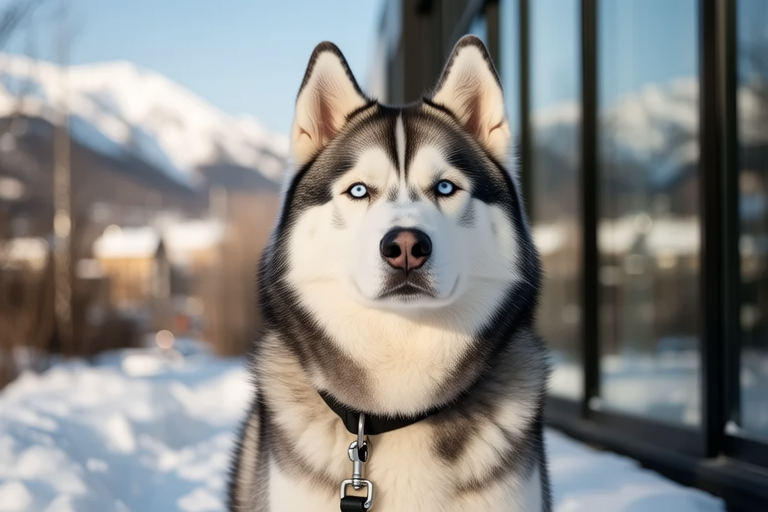
From Snowy Plains to City Streets: Raising a Happy and Healthy Siberian Husky
Siberian Huskies are one of the most beautiful and iconic dog breeds, known for their striking blue or multi-colored eyes, thick fur coats, and energetic personalities. Originally bred by the Chukchi people of Siberia to pull sleds across vast snowy plains, these dogs have adapted to a variety of environments. However, raising a Siberian Husky in a city setting requires careful planning and consideration to ensure they remain happy and healthy. This guide will provide you with all the information you need to successfully integrate a Siberian Husky into your urban lifestyle.
The Origins of Siberian Huskies
Understanding the history of Siberian Huskies is crucial for appreciating their unique characteristics. These dogs were initially bred for endurance rather than speed, making them perfect for long-distance sledding. Their thick double coat and webbed paws allowed them to thrive in the harsh Arctic conditions. Today, while they may not be pulling sleds, their genetic makeup still influences their behavior and needs.
Adapting Siberian Huskies to City Life
Adapting Siberian Huskies to city life can be challenging due to their high energy levels and independent nature. It’s important to provide them with ample opportunities for physical and mental stimulation. Regular walks, visits to dog parks, and interactive play sessions are essential. Ensure that your living space is secure and free from potential hazards. Fencing your yard or using a leash during outdoor activities can prevent escapes and keep your dog safe.
Exercise Needs
Siberian Huskies are extremely active dogs that require substantial exercise daily. They are built for long-distance running and enjoy the freedom of open spaces. In a city environment, it’s vital to incorporate at least two hours of rigorous activity each day. This can include brisk walks, runs, or games of fetch. Engaging them in agility courses or organized dog sports can also be beneficial. Remember, a well-exercised Husky is a happy and well-behaved Husky.
Dietary Requirements
A balanced diet is essential for maintaining the health and vitality of your Siberian Husky. High-quality dog food rich in protein and fats, such as those derived from meat, fish, and vegetables, should form the basis of their diet. Avoid feeding them excessive carbohydrates, which can lead to weight gain and other health issues. Always consult with your veterinarian to determine the appropriate amount of food based on your dog’s age, size, and activity level. Fresh water should always be available.
Grooming Tips
Siberian Huskies have a dense, double-layered coat that requires regular grooming to prevent matting and shedding. Brush them thoroughly at least twice a week, especially during seasonal changes when they shed heavily. Bathing should be done sparingly, usually once every few months, to avoid stripping their natural oils. Regular nail trimming and ear cleaning are also important for overall hygiene.
The Importance of Socialization
Socializing your Siberian Husky is crucial for their emotional development and behavior. Early exposure to various people, animals, and environments helps them become confident and friendly. Enroll them in puppy classes, take them to local parks, and introduce them to different situations under controlled conditions. Positive reinforcement and consistent training will help them learn appropriate behavior and build strong bonds with their human companions.
Common Health Issues
While generally healthy, Siberian Huskies can be prone to certain health problems. Hip dysplasia, eye disorders like progressive retinal atrophy, and skin allergies are some of the common issues. Regular veterinary check-ups, a balanced diet, and a healthy lifestyle can help prevent or manage these conditions. Be proactive about your dog’s health by keeping up with vaccinations, dental care, and monitoring any unusual symptoms.
Training Techniques
Training a Siberian Husky requires patience and consistency. Due to their independent nature, traditional training methods may not be effective. Positive reinforcement, treats, and praise work best. Establish clear boundaries and rules from the beginning. Consistency is key in teaching commands and reinforcing good behavior. Crate training can also be beneficial for housebreaking and providing a safe space for your dog.
Advice for First-Time Owners
Raising a Siberian Husky for the first time can be both exciting and daunting. Here are some practical tips for new owners:
- Research thoroughly: Understand the breed’s temperament, needs, and challenges before bringing one home.
- Prepare your home: Ensure your living space is safe and secure for a high-energy dog.
- Start early: Begin socialization and training as soon as possible to establish good habits.
- Seek support: Join local dog clubs or online communities for advice and camaraderie.
- Be patient: Every dog is unique, and it takes time to build a strong bond.
Personal Anecdote: My first Siberian Husky, Luna, was a bundle of energy. She would race around our apartment, sometimes knocking things over in her excitement. We quickly realized that structured playtime and regular walks were necessary to channel her energy positively. Now, she’s a well-behaved, happy companion who loves nothing more than a good run in the park.
In conclusion, raising a Siberian Husky in a city setting requires dedication, patience, and a deep understanding of their needs. By providing them with plenty of exercise, proper nutrition, regular grooming, and socialization, you can ensure that your Siberian Husky remains happy and healthy. Embrace their unique spirit and enjoy the rewarding experience of sharing your life with one of these magnificent dogs.
