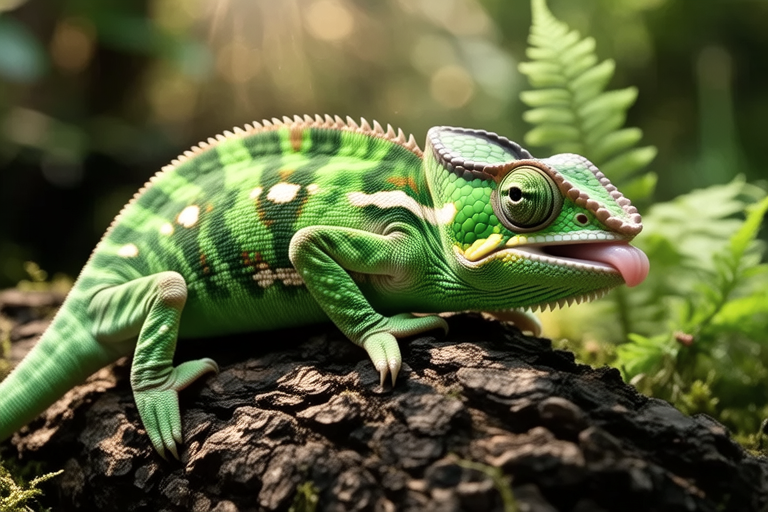
Chameleon Care: Common Mistakes New Owners Should Avoid
Welcome to the fascinating world of chameleons! These captivating creatures are known for their vibrant color changes and unique personalities. However, their care requires a deep understanding of their specific needs. Chameleons are arboreal reptiles, which means they spend most of their time in trees, and they have distinct dietary, environmental, and social requirements that differ from many other pets. As a new owner, it’s crucial to avoid common pitfalls that can lead to health issues or even death for your chameleon. This article will guide you through the most frequent mistakes made by new chameleon owners and provide solutions to ensure your pet thrives.
Inappropriate Habitat Setup
The first step in providing excellent care for your chameleon is setting up its habitat correctly. Many new owners make the mistake of underestimating the space and equipment needed for a healthy chameleon. A chameleon requires a spacious terrarium that mimics its natural environment. A 4x4x6-foot enclosure is ideal for an adult chameleon, offering enough vertical space for climbing and horizontal space for movement.
One of the most critical elements in a chameleon’s habitat is proper ventilation. Many beginners use aquariums or glass enclosures without adequate ventilation, leading to poor air circulation and humidity control. High humidity levels, when combined with stagnant air, can cause respiratory infections. It’s essential to choose a screen enclosure or ensure that your setup includes a mesh top for proper airflow.
Another common mistake is placing the enclosure in a high-traffic area or near drafts. Chameleons need a quiet environment to feel secure. Placing the enclosure near windows or doors can expose them to sudden temperature fluctuations, drafts, and direct sunlight, all of which can be harmful. The ideal location is in a room with stable temperatures and away from direct sunlight.
Incorrect Diet
Feeding your chameleon a balanced diet is crucial for its overall health. One of the most common mistakes is feeding only crickets. While crickets are a good source of protein, they lack the necessary nutrients that chameleons require. A varied diet consisting of insects like dubia roaches, silkworms, and hornworms, along with vegetables and fruits, ensures that your chameleon receives all the vitamins and minerals it needs.
Many new owners also fail to gut-load their insects before feeding them to their chameleons. Gut-loading involves feeding nutritious food to the insects before they are fed to the chameleon. This process increases the nutritional value of the insects, making them more beneficial for your pet. Without gut-loading, your chameleon may develop deficiencies in calcium, vitamin D3, and other essential nutrients.
Overfeeding is another issue that can lead to obesity and health problems. Chameleons should be fed based on their age and size. Young chameleons typically eat more frequently than adults, but even adults shouldn’t be overfed. A general guideline is to offer as many appropriately sized insects as the chameleon can consume in 10-15 minutes, no more than twice a day.
Handling Issues
Chameleons are not social animals and do not enjoy being handled. Many new owners mistakenly believe that frequent handling helps build a bond with their pet. In reality, excessive handling can stress your chameleon and lead to health problems. Stress can weaken the immune system, making your chameleon more susceptible to illnesses.
It’s important to limit handling to necessary tasks, such as cleaning the enclosure or moving the chameleon to a different location. When handling is necessary, always support the chameleon properly. Chameleons have fragile bones, especially in their limbs and jaws, and improper handling can result in injuries.
Understanding your chameleon’s body language is crucial. Signs of stress include darkening colors, rapid movements, and attempts to escape. If you notice these signs, it’s best to stop handling immediately and give your chameleon some space.
Lighting and Temperature Errors
Proper lighting and temperature regulation are vital for maintaining your chameleon’s health. One of the most common mistakes is using the wrong type of lighting. Chameleons require UVB lighting to synthesize vitamin D3, which is essential for calcium absorption. Many new owners use regular fluorescent bulbs instead of specialized UVB bulbs, leading to vitamin D3 deficiency and metabolic bone disease.
Another common error is failing to provide adequate basking spots. Chameleons need a temperature gradient within their enclosure to regulate their body temperature. The basking spot should reach between 85°F and 95°F (29°C to 35°C). Without this warm area, chameleons cannot properly digest their food or maintain their metabolism.
Maintaining the correct temperature range throughout the enclosure is equally important. Temperatures should gradually decrease from the basking spot to the cooler areas, ideally ranging from 75°F to 85°F (24°C to 29°C) at the coolest point. Using multiple thermometers placed at different heights within the enclosure allows you to monitor these temperature gradients accurately.
Tips for Proper Care
To ensure your chameleon thrives, follow these guidelines:
- Provide a spacious, well-ventilated enclosure that mimics its natural habitat.
- Offer a varied diet of gut-loaded insects, supplemented with vegetables and fruits.
- Limit handling to necessary tasks and always handle your chameleon gently.
- Install UVB lighting and maintain the appropriate temperature gradient within the enclosure.
- Regularly clean the enclosure to prevent the buildup of bacteria and parasites.
- Monitor your chameleon’s behavior and health closely, seeking veterinary care if you notice any signs of illness.
Resources for Further Learning
Becoming an expert in chameleon care takes time and dedication. To deepen your knowledge, consider reading books such as ‘The Chameleon Handbook’ by Philippe de Vosjoli and ‘Chameleons: Their Care and Breeding’ by Philippe de Vosjoli, Ron Tremper, and Dirk Krausnick. Joining online forums and communities dedicated to chameleon care can also provide valuable insights and support from experienced owners.
Remember, chameleons are unique and fascinating pets that require careful attention and a commitment to their specific needs. By avoiding common mistakes and following best practices, you can ensure that your chameleon lives a long, healthy, and happy life.
