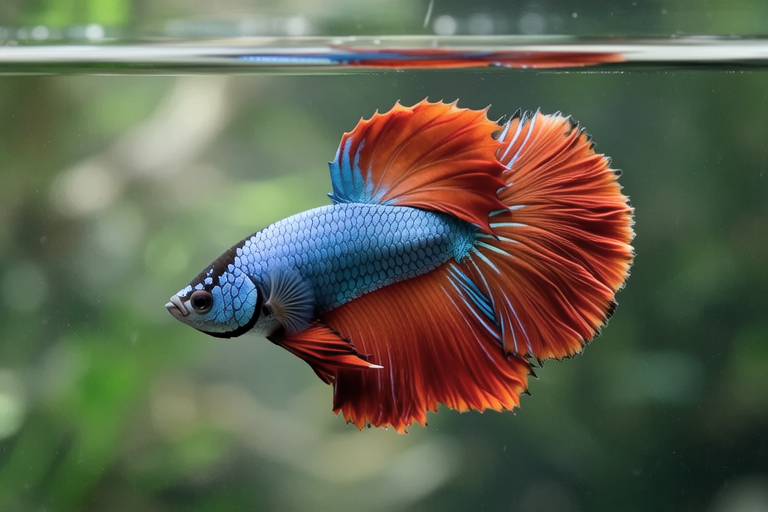
Betta Fish Behavior: Unraveling the Mystery Behind Their Aggression
Introduction
The betta fish, also known as Siamese fighting fish, is one of the most popular and recognizable freshwater aquarium pets. Despite their small size, they have earned a reputation for being highly aggressive, particularly towards other male bettas. This aggressive behavior has often been misunderstood or exaggerated, leading to misconceptions about the species. Understanding the roots of this aggression can help owners provide better care and reduce conflicts within their tanks.
Natural Habitat and Behavior
In their native habitats of Southeast Asia, betta fish live in densely vegetated areas such as rice paddies, slow-moving streams, and ponds. These environments are characterized by low oxygen levels, which have led bettas to develop labyrinth organs that allow them to breathe air from the surface. The limited space and abundant vegetation in these habitats contribute significantly to their territorial nature. Male bettas, especially, will defend their territory against intruders, even if it means engaging in physical confrontations.
Studies conducted by The Journal of Experimental Biology suggest that bettas’ territorial behavior is deeply ingrained due to evolutionary pressures. In the wild, establishing and maintaining a territory ensures access to food sources and potential mates, both critical for survival. Consequently, this instinct remains strong in captivity, where the confined spaces of home aquariums can exacerbate territorial disputes.
Triggers for Aggressive Behavior
Several factors can trigger aggressive behavior in betta fish. One of the primary causes is territoriality, which is closely tied to the males’ need to protect their space. When another male betta enters what they perceive as their territory, fights may ensue. Even females can display aggressive tendencies when space is limited or resources are scarce.
Another significant trigger is the reflection of their own image. Betta fish are known for their vibrant colors and flowing fins, making them visually striking. However, this very trait can lead to aggression when they see their reflection in glass or mirrors. The fish may interpret the reflection as another male encroaching on its territory, prompting defensive behaviors. According to research published in Fish Physiology and Biochemistry, bettas react more intensely to mirrored images compared to real fish, indicating a heightened sensitivity to visual stimuli.
Perceived threats, whether real or imagined, also play a role in betta fish aggression. Any sudden movements near the tank or changes in lighting can startle the fish, causing them to become defensive. Additionally, overcrowding or insufficient hiding spots can increase stress levels, making the fish more prone to aggressive outbursts.
Managing and Mitigating Aggressive Behavior
To manage and mitigate aggressive behavior in betta fish, it’s essential to create an environment that mimics their natural habitat while providing adequate space and resources. A well-planned tank setup can significantly reduce conflicts between fish.
- Tank Size and Layout: Ensure the tank is large enough to accommodate the fish comfortably. A minimum of 5 gallons is recommended for a single betta, but larger tanks are preferable for multiple fish. Incorporate plenty of plants, caves, and driftwood to create hiding spots and establish distinct territories. Proper tank layout helps minimize direct contact between fish, reducing the likelihood of aggressive encounters.
- Companionship: While male bettas are typically solitary, female bettas can be housed together in groups called sororities. It’s crucial to introduce new fish gradually and monitor interactions closely. Adding non-aggressive species like cherry shrimp or snails can provide companionship without triggering territorial disputes.
- Environmental Enrichment: Enhance the tank environment with floating plants, artificial caves, and ornaments. These additions not only enrich the habitat but also offer distractions from potential threats. Providing structured activities can divert the fish’s attention away from aggressive behaviors.
Experts recommend avoiding placing multiple male bettas in the same tank unless there are substantial barriers between them. Floating dividers or separate compartments within a divided tank can help maintain peace. Regular water changes and maintenance also contribute to overall health and well-being, reducing stress-related aggression.
Handling Betta Fish
Proper handling techniques are vital for ensuring the well-being of betta fish and maintaining harmony in the aquarium. When transferring bettas between tanks or performing routine maintenance, use a soft net or cup to avoid damaging their delicate fins. Be gentle during the process, minimizing stress and trauma.
It’s important to note that bettas should not be moved frequently or exposed to drastic temperature changes. Sudden shifts can shock the fish, leading to increased stress and potentially triggering aggressive responses. Always acclimate new fish slowly to their new environment by floating the bag containing the fish in the tank for about 15-20 minutes before releasing them.
Consulting with experienced aquarists or veterinarians specializing in exotic pets can provide additional insights into managing betta fish behavior. They can offer personalized advice based on specific circumstances and help address any concerns regarding the fish’s welfare.
Conclusion
Understanding the complex behaviors of betta fish is key to creating a harmonious and healthy aquarium environment. By recognizing the triggers for aggression and implementing appropriate measures, owners can foster peaceful coexistence among their aquatic companions. With proper care and attention, betta fish can thrive in captivity, showcasing their beauty and charm without succumbing to unnecessary conflicts.
