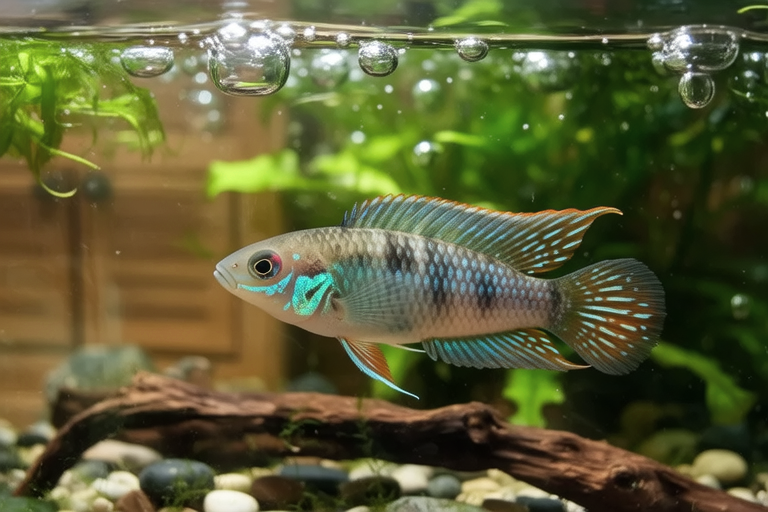
How to Create a Thriving Habitat for Your Parrot Fish at Home
Welcome to your guide on creating a thriving habitat for your parrot fish at home. This comprehensive article will walk you through the essential steps needed to set up a healthy and enriching environment for your aquatic friend. From aquarium setup to water quality maintenance, we’ll cover everything you need to know to ensure your parrot fish thrives.
Aquarium Setup: The Foundation of Your Parrot Fish’s Home
The first step in creating a thriving habitat for your parrot fish is selecting an appropriate aquarium. Parrot fish are large and require ample space to swim and explore. A minimum tank size of 75 gallons is recommended for a single adult parrot fish. Larger tanks, up to 125 gallons or more, are ideal for providing more swimming space and accommodating additional fish.
When choosing your aquarium, consider its shape and design. Tall, narrow tanks can be less suitable for these active swimmers, as they may find it difficult to navigate and swim comfortably. Opt for a tank that offers horizontal swimming space rather than vertical height.
In addition to the tank itself, you’ll need a sturdy stand capable of supporting the weight of the filled aquarium. Ensure the stand is level and stable to prevent tipping accidents.
Water Quality Maintenance: Ensuring a Healthy Environment
Maintaining optimal water quality is crucial for the well-being of your parrot fish. Regular water changes and proper filtration are key components of water quality management.
Start by filling your tank with dechlorinated water. Chlorine and chloramines found in tap water can be harmful to fish. Use a water conditioner specifically designed for aquariums to neutralize these chemicals. Alternatively, you can let the water sit for 24 hours to allow chlorine to evaporate naturally.
Parrot fish are sensitive to fluctuations in water parameters. Maintaining a stable pH level between 7.5 and 8.5 is ideal. Use pH test kits to monitor these levels and adjust them as necessary with appropriate additives. Additionally, keep ammonia and nitrite levels at zero and nitrate levels below 20 ppm to prevent toxicity.
Regular water changes are essential for maintaining water quality. Aim to change approximately 10-20% of the water weekly, increasing the frequency if necessary based on the tank’s bioload. Always use treated water for water changes to avoid introducing harmful substances.
Filtration Systems: Keeping the Water Clean and Clear
An efficient filtration system is vital for removing waste, debris, and excess nutrients from the water. Choose a filter that provides mechanical, biological, and chemical filtration.
Mechanical filtration traps larger particles, preventing them from clogging the biological media. Biological filtration supports beneficial bacteria colonies that break down harmful compounds like ammonia and nitrite. Chemical filtration uses carbon or other media to remove dissolved organic compounds and colorants from the water.
For a 75-gallon tank, a filter rated for at least 100 gallons per hour (GPH) is recommended. For larger tanks, proportionally increase the filter capacity. Consider incorporating multiple filters or a sump system for even better filtration.
Regularly clean and maintain your filtration system to ensure it continues to function effectively. Replace filter media as needed and perform routine maintenance according to the manufacturer’s instructions.
Suitable Tank Mates: Creating a Harmonious Community
Selecting compatible tank mates is important for maintaining peace and harmony in your aquarium. Parrot fish are generally peaceful but can be territorial and aggressive towards smaller fish or those with similar colors. Opt for species that are robust and can defend themselves against potential aggression.
Good tank mates for parrot fish include other large, semi-aggressive species such as clown loaches, Synodontis catfish, and larger cichlids. Avoid keeping parrot fish with small, timid species like neon tetras or guppies, as they may become prey.
When introducing new fish to the tank, quarantine them first to prevent the introduction of diseases. Introduce new fish gradually, allowing them time to acclimate to their new environment before fully integrating them into the community.
Diet Specifics: Feeding Your Parrot Fish Properly
Parrot fish are omnivorous and require a balanced diet to thrive. Their diet should consist of high-quality pellets, flakes, and occasional live or frozen foods. High-protein foods like bloodworms, brine shrimp, and daphnia can be offered as treats. Vegetables such as spinach, peas, and zucchini can also be included in their diet to provide necessary nutrients.
Feed your parrot fish two to three times daily, offering only what they can consume within a few minutes. Overfeeding can lead to poor water quality and health issues. Monitor your fish’s eating habits and adjust feeding amounts accordingly.
Vary your parrot fish’s diet to ensure they receive a wide range of nutrients. Rotate different types of food and incorporate occasional supplements to support overall health and vitality.
Regular Health Checks: Monitoring Your Parrot Fish’s Well-being
Regular health checks are essential for catching potential issues early and ensuring your parrot fish remains healthy. Observe your fish daily for any signs of illness or distress, including unusual behavior, loss of appetite, or physical abnormalities.
Perform routine water tests to monitor water parameters and ensure they remain within safe ranges. Keep a log of water quality readings and any notable observations about your fish’s behavior.
If you notice any concerning symptoms, consult with a veterinarian specializing in exotic animals or seek advice from experienced aquarists. Early intervention can make all the difference in treating and managing health issues effectively.
Creating an Enriching Environment: Stimulating Natural Behaviors
To create an enriching environment for your parrot fish, replicate aspects of their natural habitat as closely as possible. Incorporate plenty of hiding spots, plants, and toys to encourage exploration and mental stimulation.
Add rocks, driftwood, and caves to provide shelter and hiding places. These structures offer security and opportunities for your fish to engage in natural behaviors like exploring and seeking refuge. Arrange the decorations strategically to create distinct areas within the tank, promoting territorial behavior and reducing stress.
Incorporate live or artificial plants to mimic the lush vegetation found in parrot fish’s natural environments. Plants not only enhance the aesthetic appeal of the tank but also provide additional hiding spots and promote a sense of security. Ensure the plants are non-toxic and suitable for aquarium use.
Consider adding interactive toys or enrichment items to stimulate your parrot fish’s curiosity and activity. Floating objects or sinking treats can encourage exploration and foraging behaviors. Rotate toys periodically to maintain interest and prevent boredom.
Conclusion
By following these guidelines, you can create a thriving habitat for your parrot fish at home. From setting up the aquarium and maintaining water quality to selecting suitable tank mates and providing a stimulating environment, each step contributes to your fish’s overall well-being. With dedication and care, you can ensure your parrot fish leads a happy, healthy, and fulfilling life in your aquarium.
