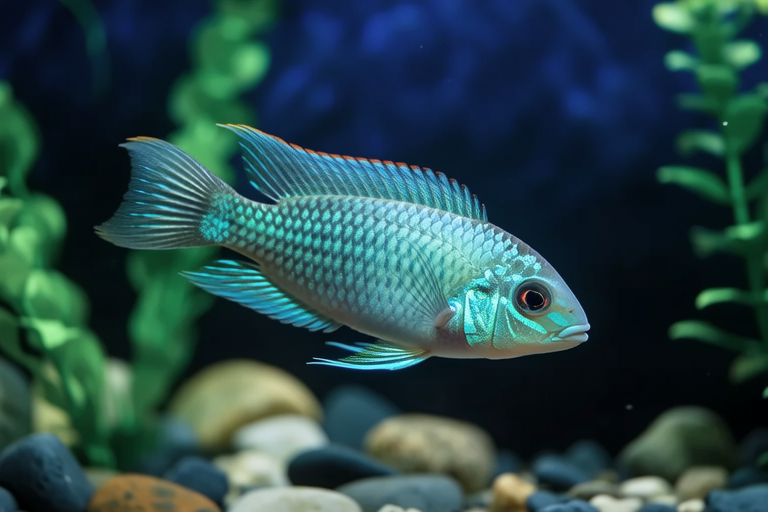
The Surprising Lifespan and Care Guide for Your Pet Parrot Fish
Welcome to your comprehensive guide to caring for pet parrot fish. These vibrant, colorful creatures are a popular choice among aquarium enthusiasts. With proper care, they can thrive in your home aquarium, providing years of enjoyment. This article will explore various aspects of parrot fish care, including species information, optimal living conditions, dietary needs, common health issues, and tips for maintaining a healthy environment.
Introduction to Parrot Fish Species Suitable for Home Aquariums
Parrot fish are a hybrid species, typically created by crossing cichlids such as Midas, Red Devil, and Convict cichlids. They come in various colors, from bright red to orange, yellow, and even green. Parrot fish are known for their unique appearance, characterized by their round, almost parrot-like beak, hence the name. Their vibrant coloration and interactive behavior make them a favorite among aquarists.
Average Lifespan Influenced by Care
With appropriate care, parrot fish can live up to 15 years or more. However, many factors can influence their lifespan, including water quality, diet, tank size, and companionship. Proper care is crucial to ensuring your parrot fish lives a long and healthy life.
Water Parameters
Parrot fish require specific water parameters to thrive. The ideal pH range for these fish is between 6.8 and 7.4, with a temperature range of 75-82°F (24-28°C). Regular monitoring of these parameters is essential to maintain a healthy environment. Use a reliable water testing kit to check pH levels, ammonia, nitrite, and nitrate levels at least once a week. Adjustments can be made using water conditioners or additives if necessary.
Diet
Parrot fish are omnivorous, meaning they eat both plant-based and animal-based foods. A balanced diet is crucial for their health and longevity. Offer a variety of foods, including high-quality flake food, pellets, frozen or freeze-dried bloodworms, brine shrimp, and spirulina-based flakes. Supplement their diet with occasional fresh vegetables like zucchini, cucumber, and peas. Ensure that the food you provide is appropriate for their size and age, and avoid overfeeding to prevent water pollution.
Tank Size
Parrot fish need ample space to swim and explore. The minimum recommended tank size for one parrot fish is 55 gallons. If you plan to keep multiple parrot fish, increase the tank size accordingly. A larger tank provides better water circulation, reducing the risk of disease and improving overall water quality. Additionally, a spacious tank allows for more decorations and hiding spots, enhancing the fish’s comfort and reducing stress.
Common Health Issues
Like any other aquatic pets, parrot fish are susceptible to certain health issues. Some common problems include fin rot, ich, and bacterial infections. Fin rot is often caused by poor water quality and manifests as frayed or discolored fins. Ich is a parasitic infection that appears as small white spots on the fish’s body. Bacterial infections may result from cuts or abrasions and can cause lethargy, loss of appetite, and discoloration.
To prevent these issues, maintain optimal water quality and quarantine new additions to the tank for several weeks before introducing them to the main aquarium. Regularly inspect your fish for signs of illness, and act promptly if you notice any changes in their behavior or appearance.
Maintaining Optimal Water Quality
Water quality is paramount for the health and longevity of your parrot fish. To ensure a clean and safe environment, perform regular water changes, typically 20-30% every two weeks. Install a high-quality filtration system that can handle the volume of your tank and includes mechanical, biological, and chemical filtration components. Avoid overstocking the tank to prevent waste accumulation and maintain stable water parameters.
Signs of a Healthy Versus Unhealthy Parrot Fish
A healthy parrot fish displays vibrant colors, active swimming, and a good appetite. They should also have smooth, intact fins and no visible signs of parasites or infections. Conversely, an unhealthy parrot fish may exhibit dull coloration, lethargy, labored breathing, or abnormal swimming patterns. Other signs of illness include bloating, clamped fins, and excessive scratching against objects in the tank.
If you notice any of these symptoms, isolate the affected fish in a hospital tank and consult with a veterinarian specializing in aquatic animals. Early intervention can significantly improve the chances of recovery.
Enriching the Environment to Enhance Longevity and Well-Being
Creating an enriched environment for your parrot fish can greatly enhance their quality of life and extend their lifespan. Start by providing plenty of hiding spots, such as caves, driftwood, and dense plantings. These areas offer security and reduce stress, promoting overall well-being. Incorporate interactive elements like sinking logs or rocks for the fish to investigate and play with.
Consider adding a few compatible tank mates to provide social interaction. Choose peaceful species that won’t outcompete your parrot fish for food or space. Examples include gouramis, tetras, and some catfish. However, be cautious when selecting tank mates, as parrot fish can become aggressive during feeding times.
Finally, consider incorporating a UV sterilizer into your filtration system to further protect your fish from harmful microorganisms. This additional layer of defense can help maintain a healthy environment and contribute to your parrot fish’s longevity.
In conclusion, with proper care and attention to detail, your pet parrot fish can lead a long and fulfilling life. By understanding their specific needs and creating an enriching environment, you can ensure that your fish remains vibrant and healthy for many years to come. Remember, a happy and healthy parrot fish is a testament to your dedication as a responsible and knowledgeable aquarist.
