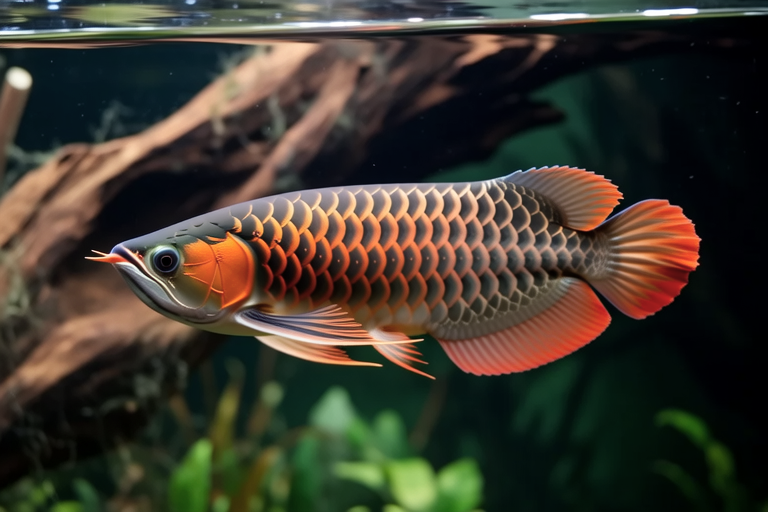
Arowana Fish: Unique Characteristics, Care Requirements, and Fascinating Behaviors
The Arowana is a captivating species of fish that has intrigued aquarists and enthusiasts for centuries. Known for their unique characteristics, these fish are not only beautiful but also hold significant cultural and historical value. This article delves into the world of Arowana fish, exploring their distinct features, care requirements, and behaviors. We will also discuss their historical significance, myths surrounding them, and their role in aquariums.
Unique Characteristics of Arowana Fish
Arowanas possess several unique characteristics that set them apart from other fish species. They have elongated bodies, large scales, and powerful jaws filled with sharp teeth. These features make them excellent predators in their natural habitats. One of the most striking aspects of Arowanas is their ability to leap out of the water to catch prey. This behavior is often referred to as “surface feeding” and is one of the reasons why these fish are highly sought after by collectors.
Care Requirements for Arowana Fish
Keeping Arowana fish as pets requires careful attention to their specific needs. They thrive in spacious tanks with ample swimming space and well-filtered water. Arowanas are sensitive to changes in water quality, so regular maintenance is essential. Additionally, these fish require a varied diet that includes live or frozen foods such as shrimp, worms, and small fish. Proper nutrition ensures their health and longevity.
Fascinating Behaviors of Arowana Fish
Arowanas exhibit a range of fascinating behaviors that make them intriguing subjects for observation. Their surface-feeding habits are just one example of their unique behaviors. Another notable trait is their parental care. Male Arowanas are known to guard their eggs and young, carrying them in their mouths to protect them from potential threats. This behavior showcases the strong parental instincts of these fish.
Historical Significance and Myths Surrounding Arowana Fish
Arowanas hold significant cultural and historical importance, particularly in Asian countries. In Chinese culture, they are considered symbols of good luck and prosperity. The belief in their protective qualities has led to their inclusion in Feng Shui practices. There are also myths surrounding Arowanas, such as the legend of the “Dragon Fish,” which attributes mystical powers to these creatures. While these myths add to the allure of Arowanas, it is important to approach them with a critical eye and focus on the scientific facts.
Different Species of Arowana Fish
There are several species of Arowanas, each with its own distinct characteristics and native habitats. The Silver Arowana (Osteoglossum bicirrhosum) is native to South America and is known for its silvery scales and long dorsal fin. The Asian Arowana (Scleropages formosus) is found in Southeast Asia and comes in various color forms, including red, green, and gold. Each species has its own specific care requirements and behaviors, making them unique additions to any aquarium.
Native Habitats of Arowana Fish
Arowanas inhabit diverse environments, ranging from slow-moving rivers and floodplains to stagnant ponds and lakes. They prefer warm waters with plenty of vegetation for cover. Understanding their native habitats is crucial for creating suitable living conditions in captivity. Providing a tank that mimics their natural environment can help ensure the well-being of these fish.
Dietary Needs of Arowana Fish
Arowanas are carnivorous fish with specific dietary needs. In the wild, they feed on insects, small fish, and crustaceans. In captivity, it is important to provide them with a varied diet that includes live or frozen foods. Feeding them properly is essential for maintaining their health and vitality. It is recommended to offer them a mix of protein-rich foods, ensuring they receive all the necessary nutrients.
Interactions Within Their Environments
Arowanas play an important role in their ecosystems, acting as top predators that help maintain the balance of their habitats. They are known to be territorial and may display aggressive behavior towards other fish, especially those of similar size. However, they can coexist peacefully with smaller, non-aggressive species. Understanding their interactions within their environments is key to successfully keeping them in aquariums.
Challenges and Rewards of Keeping Arowana Fish as Pets
Keeping Arowana fish as pets comes with both challenges and rewards. One of the main challenges is providing them with the appropriate living conditions, including a spacious tank and proper filtration. Additionally, feeding them can be time-consuming, as they require a varied diet. However, the rewards of owning Arowanas are numerous. Their beauty, unique behaviors, and historical significance make them truly special pets. With the right care and attention, Arowanas can thrive in captivity and bring joy to their owners.
Tips for Prospective Owners
If you are considering adding Arowanas to your aquarium, there are several tips to keep in mind. First, ensure you have a spacious tank that meets their size requirements. Second, invest in a high-quality filtration system to maintain water quality. Third, research their dietary needs and prepare a varied feeding schedule. Finally, observe their behavior regularly and consult with experts if you encounter any issues. By following these tips, you can create a thriving environment for your Arowanas.
Conclusion
Arowana fish are fascinating creatures with unique characteristics, behaviors, and cultural significance. Whether you are an experienced aquarist or a novice enthusiast, these fish offer a rewarding experience. By understanding their specific needs and providing the appropriate care, you can enjoy the beauty and wonder of Arowanas in your home. Embrace the challenges and rewards of keeping these majestic fish, and discover the joy they bring to your aquatic world.
