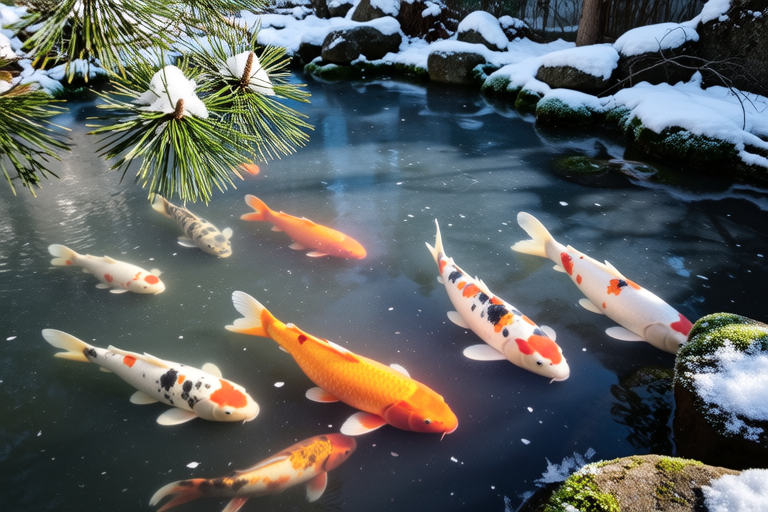
Koi in Winter: Survival Tips to Keep Your Water Garden Thriving
Welcome, fellow koi enthusiasts! As we approach the colder months, it’s essential to understand the unique challenges your beloved koi face during winter. Proper preparation can make all the difference in ensuring their survival and well-being. In this article, we’ll explore the challenges, provide practical tips, and offer expert advice to help you keep your water garden thriving throughout the winter season.
The Unique Challenges Koi Face During Winter
Winter brings a range of challenges for koi, primarily due to changes in water temperature and quality. Koi are cold-blooded fish, meaning their body temperature adapts to that of their environment. As water temperatures drop, so does their metabolism, which affects their activity levels, appetite, and immune system. This makes them more susceptible to diseases and less capable of fighting off infections.
Additionally, reduced sunlight and shorter days mean less photosynthesis, leading to lower oxygen levels in the pond. This can be particularly dangerous if the pond becomes stagnant or frozen over, preventing oxygen exchange between the water and air. It’s crucial to understand these challenges to take appropriate measures to protect your koi.
Maintaining Proper Water Quality and Temperature
Water quality and temperature are paramount for koi health. Cold water holds more oxygen than warm water, but stagnant, poorly aerated ponds can still suffer from low oxygen levels. Regularly check the oxygen levels in your pond, especially after heavy rain or snowfall, when runoff can introduce pollutants and lower oxygen levels.
Temperature fluctuations can also stress koi, so aim for consistent water temperatures. Ideally, maintain a temperature range between 40°F and 68°F (4°C to 20°C). If your pond freezes over, install a de-icer to keep a small area of the surface open for gas exchange. This will help prevent toxic gases from building up and ensure fresh oxygen enters the water.
Preparing the Pond for Colder Weather
Preparation is key to ensuring your koi survive the winter. Start by reducing feeding as water temperatures drop below 50°F (10°C). At these temperatures, koi become less active and their digestive systems slow down. Overfeeding can lead to undigested food decaying in the pond, causing ammonia spikes and poor water quality.
Switch to a high-protein, easily digestible food when feeding in cooler temperatures. These foods are designed to support koi during periods of reduced activity and digestion. Gradually decrease the amount of food as temperatures continue to fall. Once the water temperature drops below 50°F, stop feeding altogether until spring.
Pond aeration is another critical aspect of winter preparation. A properly aerated pond ensures adequate oxygen levels and prevents stagnation. Install an air pump or waterfall to circulate water and maintain oxygen levels. Avoid using filters during winter, as they can strain the already stressed koi and reduce water circulation.
Using Heaters or De-Icers
Heating the entire pond isn’t necessary or practical. Instead, focus on keeping a portion of the pond ice-free. A floating pond heater or de-icer will keep a small area open, allowing for gas exchange and preventing the pond from freezing over completely. Place the heater or de-icer near the waterfall or filter outlet to maximize its effectiveness.
Ensure the de-icer is positioned away from the pond edges to avoid creating thin ice that could pose a risk to children or pets. Additionally, consider installing a pond thermometer to monitor water temperature and adjust your management practices accordingly.
Selecting the Right Type of Koi Food for Winter Feeding
Choosing the right food for winter feeding is crucial. High-protein, easily digestible foods are ideal because they provide energy without straining the koi’s digestive system. Look for foods labeled as ‘winter’ or ‘cold-water’ formulas, as these are specifically designed for lower temperatures.
These foods typically contain higher levels of protein and fats, which provide the necessary nutrients to sustain koi during periods of reduced activity. Avoid feeding koi bread, crackers, or other human foods, as these can cause digestive issues and contribute to poor water quality.
Monitoring Koi Health and Behavior During Winter
Regularly observing your koi’s behavior and health is essential during winter. Healthy koi will remain active, even at lower temperatures. They may swim slowly but should still be responsive to stimuli. Monitor their breathing; if they appear to be gasping for air at the surface, it could indicate low oxygen levels or stress.
Check for any signs of disease or parasites, such as frayed fins, cloudy eyes, or unusual spots on the skin. Early detection and treatment are vital for preventing the spread of illness within the pond. Maintain good water quality through regular partial water changes and cleaning the pond bottom of debris.
Finally, keep a close eye on the pond’s ecosystem. A healthy pond will have a balanced population of beneficial bacteria and algae. If you notice an imbalance, consider adding beneficial bacteria supplements to promote a healthy microbial population.
Conclusion
With the right preparation and care, your koi can thrive through the winter months. By understanding the challenges they face and taking proactive steps to address them, you can ensure a healthy and vibrant pond ecosystem. Remember to reduce feeding, manage pond aeration, and use heaters or de-icers to keep a portion of the pond ice-free. Select high-quality, easily digestible food and monitor your koi’s health and behavior regularly.
Stay informed and prepared, and you’ll enjoy watching your koi flourish year-round. Happy koi-keeping!
