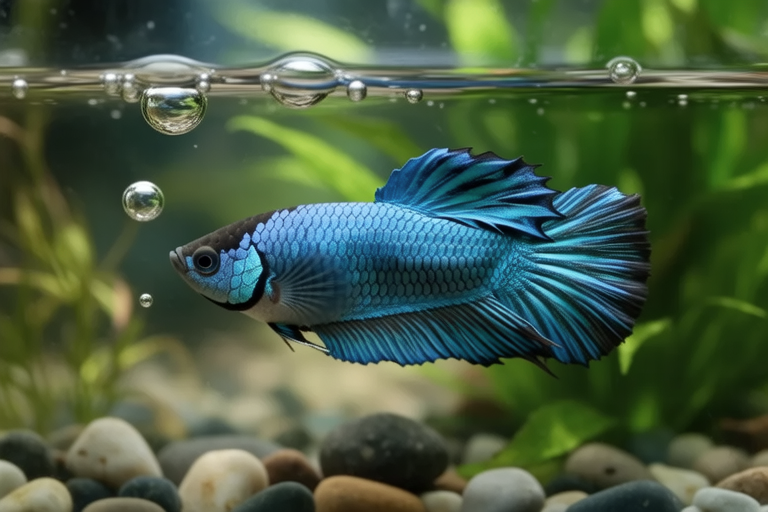
Top Secrets to Keeping Your Aquarium Parrot Fish Happy and Healthy
Welcome to the fascinating world of aquarium parrot fish! These vibrant, hardy fish are a favorite among aquarists due to their striking appearance and relatively easy care. However, to ensure they thrive, it’s crucial to understand their specific needs. This guide will walk you through essential tips for maintaining optimal water conditions, selecting suitable tank mates, providing the right diet, and performing regular maintenance. We’ll also cover signs of a healthy versus an unhealthy parrot fish, emphasizing the importance of a balanced environment.
Understanding the Optimal Water Conditions
Parrot fish require specific water conditions to stay healthy and happy. The ideal water temperature ranges between 75°F and 80°F (24°C to 27°C). Maintaining this range ensures your fish remain active and stress-free. Additionally, the pH level should be kept between 6.5 and 7.5, slightly acidic to neutral, which mimics their natural habitat.
Water hardness is another critical factor; aim for a range of 10 to 15 dGH (degrees of general hardness). Proper filtration is vital as well. A high-quality filter that can handle at least four times the volume of your tank per hour will help maintain clean, oxygen-rich water.
Selecting Suitable Tank Mates
Choosing the right tank mates for your parrot fish is essential for their happiness and well-being. Parrot fish are generally peaceful but can be territorial, especially during feeding time. Therefore, avoid aggressive or overly territorial species that might bully them.
Good tank mates include other robust, non-aggressive fish such as cichlids, tetras, and gouramis. Ensure there’s enough space for each fish to establish its territory without causing undue stress. Overcrowding can lead to competition for resources and increased aggression.
Diet Specifics for Parrot Fish
A balanced diet is key to keeping your parrot fish healthy. Their diet should consist of a variety of foods, including high-quality pellets, flakes, and frozen or live foods like brine shrimp and bloodworms. Offer these foods in small quantities several times a day rather than one large meal.
Be cautious with overfeeding, as it can lead to poor water quality and obesity. Feed only what they can consume within a few minutes. Additionally, supplement their diet with vegetables like spinach and peas, which help prevent digestive issues.
Regular Maintenance Routines
Maintaining a clean and healthy environment is crucial for your parrot fish’s well-being. Regular water changes are necessary to remove toxins and maintain water quality. Aim for weekly partial water changes of about 10-20% of the total volume.
Monitor water parameters closely using test kits for pH, ammonia, nitrite, and nitrate levels. Adjustments may be needed based on these readings. Cleaning the tank substrate and decorations regularly prevents the buildup of harmful bacteria and algae.
Signs of a Healthy Versus Unhealthy Parrot Fish
Observing your parrot fish daily helps identify any potential health issues early. A healthy parrot fish exhibits vibrant colors, active swimming patterns, and good appetite. Their fins should be intact without tears or discoloration.
Conversely, signs of illness include lethargy, loss of appetite, pale coloration, breathing difficulties, or visible parasites. If you notice any of these symptoms, consult a veterinarian specializing in aquatic animals immediately. Prompt action can prevent further complications.
The Importance of a Balanced Environment
Creating a balanced environment for your parrot fish involves several factors:
- Water Temperature: Maintain a consistent temperature within the recommended range.
- pH Levels: Keep the pH slightly acidic to neutral.
- Tank Size: Ensure adequate space for each fish to swim freely.
- Filtration Systems: Invest in efficient filters to keep the water clean.
A balanced environment promotes overall health and longevity. By addressing these aspects, you provide your parrot fish with everything they need to flourish.
Actionable Advice for Novice and Experienced Aquarists
For novices, start by researching extensively before setting up your tank. Understand the basics of water chemistry and filtration. Choose compatible tank mates carefully and gradually introduce new fish to minimize stress.
Experienced aquarists should continue refining their techniques. Experiment with different diets and tank setups to find what works best for your specific fish. Stay updated on the latest advancements in fish care and share knowledge with fellow hobbyists.
In conclusion, keeping your aquarium parrot fish happy and healthy requires attention to detail and commitment. By following the guidelines outlined in this article, you’ll create an environment where your parrot fish can thrive. Remember, the key lies in understanding their unique needs and adapting accordingly. Happy fishkeeping!
