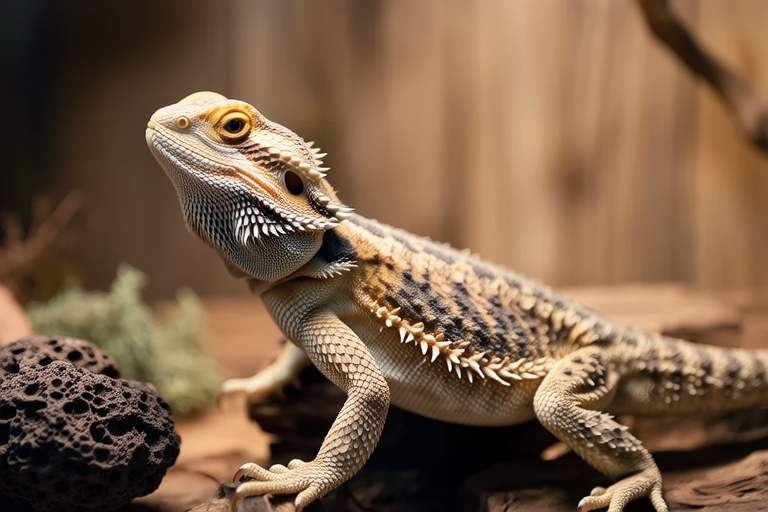
The Secret Life of Bearded Dragons: What They Do When You’re Not Looking!
Bearded dragons, with their charismatic appearance and friendly demeanor, have become one of the most popular pets among reptile enthusiasts. While these creatures are often docile and easy to handle, many owners wonder what exactly happens when their scaly companions are left to their own devices. This article delves into the secret life of bearded dragons, exploring their behaviors, activities, and care needs during unsupervised times.
Natural Habitat and Nocturnal Tendencies
Understanding your bearded dragon’s natural habitat is crucial to providing a suitable environment. Native to the arid regions of Australia, bearded dragons thrive in warm, dry conditions. In the wild, they spend much of their day basking in the sun, absorbing heat to regulate their body temperature. These diurnal creatures are most active during the day, which means they tend to sleep at night. However, it’s important to note that bearded dragons can exhibit some nocturnal behaviors, especially if they are kept in environments that are too cool or too dark.
Experienced reptile owners share that maintaining consistent temperatures is key. A nighttime drop in temperature can lead to stress and health issues. It’s advisable to keep the enclosure slightly warmer than room temperature to ensure your pet remains comfortable throughout the night. A gentle heat source, like a ceramic heat emitter, can provide the necessary warmth without emitting light, allowing your bearded dragon to rest undisturbed.
Feeding Habits
When you’re not around, your bearded dragon will focus on its feeding habits. These omnivores have a diverse diet that includes insects, vegetables, and fruits. In the wild, they spend considerable time hunting for food, consuming various bugs and plants. As pets, they rely on their owners to provide a balanced diet. Ensuring a variety of nutritious foods is essential for their overall health.
Owners should offer a mix of gut-loaded insects such as crickets, dubia roaches, and mealworms, along with leafy greens like kale, collard greens, and mustard greens. Fruits should be provided sparingly due to their high sugar content. It’s also vital to dust the insects with calcium and vitamin D3 supplements to prevent metabolic bone disease (MBD). Regular feeding schedules help maintain consistency, ensuring your bearded dragon gets the nutrients it needs.
Basking Preferences
One of the most fascinating aspects of a bearded dragon’s behavior is its preference for basking. This activity is not just a leisurely pastime but a vital part of its daily routine. Basking helps them thermoregulate, digest food, and metabolize calcium. The ideal basking spot should reach between 95°F and 110°F, depending on the dragon’s age and size.
To create an optimal basking area, use a high-quality heat lamp or ceramic heat emitter. Position the lamp so that the basking spot is within reach but not directly above it to avoid burns. Additionally, providing UVB lighting is crucial for calcium metabolism. A UVB bulb should be placed close enough to allow your dragon to bask under it but far enough to prevent overheating. Regularly check the bulbs’ effectiveness and replace them every six months to ensure they continue to provide adequate UVB radiation.
Social Interactions
Bearded dragons are solitary animals by nature, but they can display social behaviors when interacting with other dragons or humans. In captivity, they may show signs of aggression or dominance towards other dragons, especially males. Therefore, housing multiple dragons together is generally not recommended unless they are siblings raised together from a young age.
Interactions with humans can vary widely. Some bearded dragons become very affectionate and enjoy being handled, while others prefer minimal interaction. Observing your dragon’s reactions can help you understand its comfort level. Signs of contentment include relaxed posture, closed eyes, and a steady breathing rate. Conversely, signs of stress or discomfort might include puffing out their beard, darkening their color, or attempting to hide.
Potential Health Checks
Monitoring your bearded dragon’s health is crucial, even when you’re not actively interacting with it. Regular health checks can help catch issues early, preventing more serious problems down the line. Look for changes in appetite, energy levels, and physical appearance. Common signs of illness include lethargy, loss of appetite, swollen eyes, and discharge from the nose or mouth.
Veterinary care is essential for maintaining your dragon’s health. Schedule regular check-ups with a reptile-savvy veterinarian who can perform comprehensive examinations, including blood tests and fecal exams. At home, you can monitor your dragon’s weight using a digital scale, noting any significant changes. Keeping a journal of feeding habits, shedding cycles, and any unusual behaviors can also be beneficial for tracking your dragon’s well-being.
Maintaining a Healthy Environment
Creating a safe and stimulating environment is paramount for your bearded dragon’s happiness and health. The enclosure should mimic their natural habitat as closely as possible. Provide plenty of space for movement and climbing. Incorporate branches, rocks, and hides to offer hiding spots and areas for exploration.
Adequate ventilation is also critical to prevent respiratory infections. Ensure the enclosure has proper airflow while maintaining humidity levels. Too much moisture can lead to bacterial growth, while too little can cause shedding difficulties. Monitoring these factors and making adjustments as needed will contribute to a healthier living space.
Common Misconceptions
There are several common misconceptions about bearded dragon behavior that can lead to misunderstandings between owners and their pets. One frequent misconception is that bearded dragons are always aggressive. In reality, their behavior is more complex and can be influenced by factors such as age, gender, and individual temperament.
Another misconception is that bearded dragons don’t need social interaction. While they are solitary animals, they still benefit from positive reinforcement training and gentle handling. Engaging with your dragon through play and enrichment activities can strengthen your bond and improve its overall quality of life.
Conclusion
The secret life of bearded dragons is filled with fascinating behaviors and activities that occur when you’re not looking. By understanding their natural habitat, feeding habits, basking preferences, and social interactions, you can better meet their needs and ensure a healthy, happy life for your scaly companion. Regular health checks and maintaining a suitable environment are key to preventing health issues and promoting longevity. With proper care and attention, your bearded dragon will thrive, bringing joy and companionship to your household for years to come.
