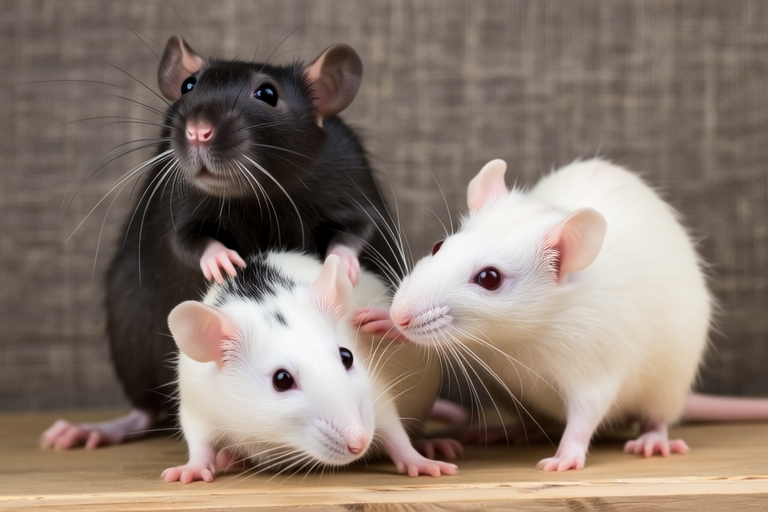
Inside the Secret World of Fancy Rats: Their Behavior Explained
Fancy rats, those charming and intelligent creatures, have long been misunderstood. Often perceived as mere pests, these small mammals are actually highly social and intelligent pets that offer companionship and entertainment. Originating from the wild brown rat, fancy rats have been selectively bred over centuries, resulting in a diverse array of colors, patterns, and even sizes. Understanding their behavior is key to providing them with the care they need and deserve.
The Origins of Fancy Rats
Wild brown rats, also known as Rattus norvegicus, have roamed the Earth for thousands of years. These adaptable rodents first arrived in Europe in the 18th century and quickly spread across the globe. As humans began to domesticate them, selecting for specific traits such as docility, coloration, and size, the fancy rat emerged. Today, these domesticated rats are popular pets worldwide, cherished for their friendly nature and intelligence.
Social Structures and Communication
Fancy rats are highly social animals, living in colonies in the wild. In captivity, they thrive in pairs or groups, forming strong bonds with their cage mates. They communicate through various means, including body language and vocalizations. A flick of the tail can signal excitement or aggression, while a high-pitched squeak may indicate happiness or fear. Understanding these signals helps owners foster a positive relationship with their pets.
Playfulness and Problem-Solving Skills
Rats are naturally curious and playful, often engaging in activities that challenge their minds and bodies. They enjoy exploring new environments, climbing, and playing with toys. Owners may notice their pets investigating every corner of their habitat, turning over objects, and even attempting to escape. This curiosity stems from their ancestors’ need to find food and shelter in the wild. Providing a stimulating environment with tunnels, ropes, and puzzle feeders encourages this natural behavior and keeps rats mentally engaged.
Sleeping Patterns
Unlike many other pets, fancy rats are crepuscular, meaning they are most active during dawn and dusk. During the day, they tend to sleep more, though they may still be awake and alert at intervals. At night, they are relatively inactive, conserving energy for their nocturnal activities. Understanding their sleep cycle allows owners to provide the best care, ensuring they have a quiet, dark place to rest during their primary sleeping periods.
Dietary Habits
A balanced diet is crucial for the health and well-being of fancy rats. Their diet should consist of high-quality commercial rat pellets, fresh vegetables, fruits, and occasional treats. Owners should avoid feeding them foods harmful to rats, such as chocolate, caffeine, or avocado. Providing a varied diet ensures they receive all necessary nutrients, promoting healthy growth and longevity.
Interacting with Their Environment
Rats are highly adaptable and resourceful, easily adjusting to different environments. They use their keen sense of smell and touch to navigate their surroundings, often using their whiskers to feel their way around. In the wild, rats create burrows and nests, using materials found in their habitat. In captivity, providing appropriate bedding and nesting materials allows them to engage in natural behaviors, enhancing their comfort and happiness.
Common Behaviors and What They Mean
Owners may observe various behaviors in their fancy rats, each offering insight into their emotional state and needs. For example, rats may engage in mutual grooming, a sign of affection and social bonding. They may also display territorial behavior, marking their territory with scent glands located near their anus. Recognizing and responding to these behaviors helps owners create a supportive and enriching environment.
Tips for Enriching Your Rat’s Life
To ensure your fancy rat leads a happy and fulfilling life, consider the following tips:
- Provide ample space: Rats need room to move around, explore, and exercise. A large cage with multiple levels and plenty of space for running and climbing is ideal.
- Offer mental stimulation: Puzzle feeders, tunnels, and interactive toys keep rats engaged and prevent boredom.
- Encourage social interaction: Rats are social animals and benefit from interaction with their human caregivers. Spend time handling and playing with your rat daily.
- Ensure proper nutrition: Feed a balanced diet rich in vitamins and minerals, avoiding harmful foods.
- Keep the environment clean: Regular cleaning of the cage and bedding prevents health issues and keeps the environment pleasant for your pet.
In conclusion, fancy rats are fascinating and intelligent creatures deserving of our attention and care. By understanding their behavior, we can provide them with the enriched environment they need to thrive. Whether you’re a new or experienced owner, taking the time to learn about your rat’s unique characteristics will deepen your bond and enhance your pet’s quality of life.
