Squirrels Unveiled: Amazing Facts and Myths About These Clever Creatures
Welcome to the fascinating world of squirrels! These agile, bushy-tailed creatures have captivated human attention for centuries. From bustling city parks to serene forests, squirrels are ubiquitous, charming, and surprisingly intelligent. In this article, we’ll explore the diversity of squirrel species, their physical attributes, behaviors, and ecological roles. We’ll also debunk common myths and provide tips on how to peacefully coexist with these clever critters.
Diverse Species and Global Presence
There are over 200 species of squirrels worldwide, ranging from tiny ground-dwelling varieties to large tree-dwelling ones. Squirrels are found on every continent except Antarctica and Australia. The most common types include gray squirrels, red squirrels, and flying squirrels. Each species has adapted to its environment, showcasing remarkable diversity in size, coloration, and behavior.
Physical Characteristics
Squirrels are small mammals with sharp claws and large eyes that help them navigate their surroundings. Their bushy tails are not just for show; they serve multiple purposes. The tail acts as a rudder when jumping between branches, provides balance, and even helps regulate body temperature. Squirrels also have keen senses, including excellent hearing and a strong sense of smell, which aids them in finding food and avoiding predators.
Behavior and Ecology
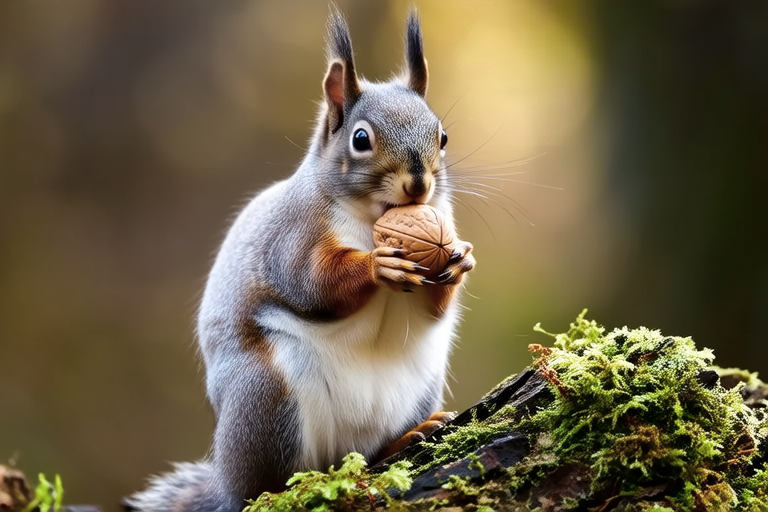
Squirrels are diurnal, meaning they are most active during the day. They spend much of their time foraging for food, which includes nuts, seeds, fruits, and sometimes insects. Their ability to store food is one of their most impressive traits. Some squirrels bury caches of food throughout their territory, a strategy known as scatter-hoarding. This behavior benefits the ecosystem by helping to disperse plant seeds.
Communication is vital for squirrels. They use a variety of vocalizations, postures, and scent marking to convey messages to other squirrels. For example, a rapid series of barks might signal danger, while a slow tail flick could indicate curiosity or caution. Understanding these signals can help us better appreciate the complexity of squirrel societies.
Fascinating Facts About Intelligence and Problem-Solving Skills
Contrary to popular belief, squirrels are not just cute but also highly intelligent. Studies have shown that they can remember the location of thousands of buried nuts and retrieve them months later. This remarkable memory is crucial for survival, especially during harsh winters when food sources are scarce.
Problem-solving skills are another hallmark of squirrel intelligence. In laboratory settings, squirrels have demonstrated the ability to solve puzzles, such as opening complex locks, to access food. This adaptability allows them to thrive in various environments, from rural areas to bustling cities.
Myths and Misconceptions
One common myth about squirrels is that they only eat nuts. While nuts are a significant part of their diet, squirrels are omnivores and consume a wide range of foods, including fruits, vegetables, and occasionally insects. Another misconception is that all squirrels nest in trees. While many species do build nests (dreys) high up in branches, some prefer ground burrows or even man-made structures like attics.
Another myth is that squirrels are always friendly. While they can be approachable, especially if hand-fed, they are wild animals and should be treated with respect. It’s important to observe them from a distance and avoid handling them to prevent injury to both parties.
Coexisting Peacefully in Urban Environments
As urbanization continues, more and more squirrels find themselves living alongside humans. Here are some tips for maintaining peaceful coexistence:
- Feed them responsibly: If you enjoy feeding squirrels, offer appropriate foods like unsalted nuts, seeds, and fresh fruits. Avoid bread, processed foods, and sugary snacks, which can harm their health.
- Secure your trash: Squirrels are opportunistic feeders and may rummage through garbage if given the chance. Ensure your waste bins are tightly sealed to discourage unwanted visits.
- Protect your garden: Squirrels can be mischievous in gardens, digging up bulbs or nibbling on plants. Consider using physical barriers, such as chicken wire, to protect vulnerable areas.
- Be cautious around pets: Dogs and cats may view squirrels as prey, leading to potential conflicts. Supervise your pets and keep them away from areas frequented by squirrels to ensure everyone’s safety.
Conclusion
Squirrels are truly remarkable creatures, combining charm, intelligence, and adaptability. By understanding their behaviors and needs, we can foster a harmonious relationship with these delightful animals. Whether you’re watching them dart across a park or observing their antics in your backyard, take a moment to appreciate the intricate world of squirrels. Let’s continue to learn from and protect these clever creatures, ensuring their place in our shared environment for generations to come.
