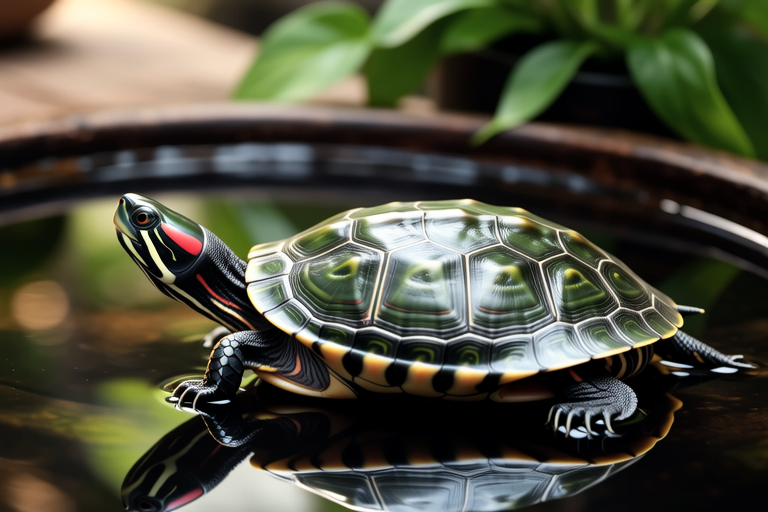
Top Secrets for Raising a Healthy Red-Eared Slider Turtle
Raising a red-eared slider turtle can be a rewarding experience, but it requires dedication and knowledge to ensure your pet thrives. This guide provides comprehensive advice on creating an optimal environment for your turtle, covering habitat setup, water quality maintenance, temperature regulation, diet specifics, and common health issues prevention. Whether you’re setting up an indoor or outdoor habitat, this article will help you understand what your turtle needs for a long, healthy life.
Habitat Setup: Indoor vs. Outdoor
The first step in raising a healthy red-eared slider turtle is providing the right habitat. The ideal setup depends on whether you’re housing your turtle indoors or outdoors.
Indoor Habitat
For indoor habitats, a large tank is essential. A rule of thumb is to provide at least 10 gallons of water per inch of shell length for juvenile turtles, increasing the ratio as they grow. A basking area is crucial; use a sturdy platform that allows the turtle to completely dry off. Equip the tank with a UVB light and a heat lamp to maintain proper temperatures.
Substrate choice is important. Gravel can be dangerous if ingested, so consider alternatives like smooth river rocks or a turtle-safe substrate. Ensure the water level is appropriate for your turtle’s size, allowing them to swim freely without risk of drowning.
Outdoor Habitat
Outdoor ponds offer more space and natural conditions, which can benefit your turtle’s health. Ensure the pond has sloped sides for easy entry and exit, and incorporate hiding spots such as caves or plants. A filtration system helps maintain water cleanliness, especially if the pond is not large enough to dilute waste naturally.
Install a secure fence around the pond to prevent escapes and protect your turtle from predators. Like indoor setups, UVB lighting is necessary for outdoor enclosures, even in sunny areas. Ensure the pond provides a variety of depths to cater to different swimming preferences.
Water Quality Maintenance
Water quality directly impacts your turtle’s health. Regularly monitor pH levels, ammonia, nitrite, and nitrate concentrations. For indoor tanks, perform partial water changes weekly, replacing about 25% of the water. Outdoor ponds may require less frequent cleaning, but regular checks are still important.
Incorporate a filtration system to keep the water clean and oxygenated. Choose a filter that matches your turtle’s needs and the volume of water. Additionally, ensure the water temperature remains stable and within the recommended range for red-eared sliders.
Temperature Regulation
Maintaining the correct temperature is vital for your turtle’s metabolism and overall health. Indoor habitats should have a water heater to maintain a consistent temperature between 75-80°F (24-27°C). The basking area should reach 90-95°F (32-35°C) during the day, dropping slightly at night.
Use a thermometer to monitor these temperatures accurately. In outdoor setups, natural fluctuations can occur, so ensure your turtle has access to both warm and cooler areas. Consider using heating lamps or pads to maintain warmth during colder months.
Diet Specifics
A balanced diet is key to a healthy red-eared slider turtle. Offer a mix of commercial turtle pellets, fresh vegetables, and occasional protein sources like earthworms or fish. Ensure a varied diet to cover all nutritional needs.
Leafy greens such as romaine lettuce, dandelion greens, and collard greens are excellent choices. Avoid iceberg lettuce due to its low nutritional value. Protein should make up no more than 10-15% of their diet, with the rest being plant-based foods.
Feed young turtles daily, reducing frequency as they mature. Overfeeding can lead to obesity and other health issues. Always remove uneaten food promptly to maintain water quality.
Common Health Issues Prevention
Preventing health issues starts with a clean environment and proper nutrition. Regular vet check-ups are also essential. Watch for signs of respiratory infections, shell rot, and metabolic bone disease.
To prevent respiratory infections, maintain humidity levels and avoid sudden temperature changes. Shell rot can be prevented by keeping the habitat clean and providing a dry basking area. Metabolic bone disease is often caused by calcium deficiency, so ensure your turtle receives adequate supplementation.
Actionable Insights for Beginners and Experienced Owners
Beginners should start with basic supplies and gradually expand as they learn more about turtle care. Experienced owners can refine their techniques and introduce enrichment activities to enhance their turtle’s quality of life.
Regardless of experience level, always research new products and techniques before implementing them. Stay informed about advancements in turtle care and participate in online forums or local groups for additional support.
Conclusion
Raising a healthy red-eared slider turtle requires attention to detail and commitment to providing a balanced environment. By following these guidelines, you can ensure your turtle enjoys a long, healthy life. Remember, each turtle is unique, so observe their behavior and adjust care accordingly. With proper care, your red-eared slider turtle will thrive in its habitat, bringing joy and companionship for years to come.
