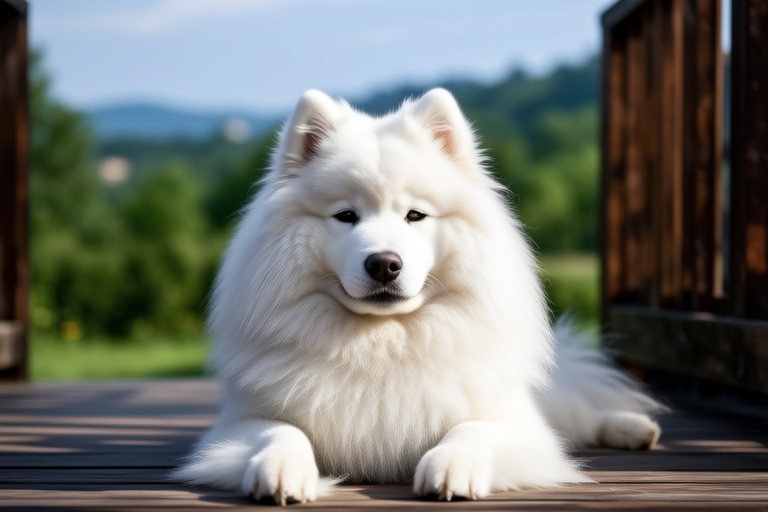
Samoyed Secrets: Tips for Keeping Your Arctic Friend Happy and Healthy
Welcome to the world of Samoyeds! These fluffy, friendly dogs have captured the hearts of many dog lovers around the globe. Known for their striking white coats and gentle dispositions, Samoyeds are a breed rich in history and full of charm. Whether you’re a first-time owner or a seasoned Samoyed enthusiast, this guide will provide you with valuable insights into keeping your arctic friend happy and healthy.
Understanding Samoyeds’ Origins and Temperament
The Samoyed originates from Siberia, where they were used by the nomadic Samoyede people as sled dogs, herding reindeer, and companions. Their name reflects this heritage, derived from the Samoyede tribe. Adapted to harsh, cold climates, these dogs possess a resilience and endurance that make them well-suited for life in colder regions.
Temperament-wise, Samoyeds are known for their outgoing, friendly nature. They are affectionate with both family and strangers, which can sometimes lead to difficulties when it comes to guarding property. Their intelligence makes them eager to please, but also means they need mental stimulation to prevent boredom and destructive behavior. Their playful and energetic demeanor ensures they’re always up for an adventure.
Dietary Needs Tailored to Their Breed
Samoyeds have high energy levels due to their working heritage, so they require a diet that supports their active lifestyle. A balanced diet should include high-quality protein sources such as chicken, fish, and beef. Carbohydrates like brown rice and sweet potatoes provide necessary energy, while fats from sources like fish oil support skin and coat health.
Avoid overfeeding, as Samoyeds are prone to obesity, which can lead to joint problems and other health issues. Consult with your veterinarian to determine the appropriate portion sizes based on your dog’s age, weight, and activity level. Additionally, ensure fresh water is available at all times to keep your Samoyed hydrated.
Essential Exercise Routines
Samoyeds thrive on physical activity, needing daily exercise to maintain their health and happiness. Regular walks, runs, or play sessions in a secure area are ideal. Aim for at least 60 minutes of moderate to vigorous exercise each day. Engaging in activities such as hiking, swimming, or participating in dog sports can also be beneficial.
Interactive toys and games that stimulate their mind are equally important. Puzzle feeders, fetch games, and training exercises can help keep your Samoyed mentally engaged. Remember, a tired Samoyed is often a well-behaved Samoyed!
Grooming Tips Specific to Their Coat
Samoyeds have a thick double coat that requires regular grooming to keep it clean and mat-free. Brush your Samoyed at least three times a week, increasing frequency during shedding seasons. Use a slicker brush to remove loose hair and prevent mats. Bathing should be done every few months or as needed, using a mild shampoo designed for dogs.
Pay special attention to areas prone to matting, such as behind the ears and under the legs. After bathing, thoroughly dry your Samoyed to prevent skin issues. Regular nail trimming and ear cleaning are also important aspects of grooming. Consistent grooming helps maintain your Samoyed’s coat and prevents potential health issues.
Common Health Issues and Preventive Care
While generally healthy, Samoyeds can be prone to certain health conditions. Hip dysplasia, progressive retinal atrophy, and hypothyroidism are among the concerns. Regular veterinary check-ups, including screenings for these conditions, are crucial.
Vaccinations and parasite control are vital. Discuss a vaccination schedule with your vet, ensuring your Samoyed is protected against common diseases. Flea, tick, and heartworm prevention should be part of your routine care. Early detection and treatment of any health issues can significantly improve your Samoyed’s quality of life.
Training Techniques That Work Best with Samoyeds
Samoyeds are intelligent and eager to learn, but their independent streak can make training challenging. Positive reinforcement techniques, such as treats and praise, are most effective. Consistency is key; establish clear rules and expectations early on.
Begin training sessions when your Samoyed is young, focusing on basic commands like ‘sit,’ ‘stay,’ and ‘come.’ Gradually introduce more complex commands as your Samoyed masters the basics. Training sessions should be short and fun to keep your Samoyed engaged. Avoid harsh punishment, as it can damage the trust between you and your pet.
Advice on Socializing Them Effectively
Socialization is essential for Samoyeds to develop into well-rounded, confident dogs. Expose your Samoyed to various environments, people, and animals from a young age. Puppy classes are a great way to start, providing controlled social interactions and basic training.
Continue socializing your Samoyed throughout its life by taking them to parks, dog-friendly cafes, and other public spaces. Encourage positive interactions with other dogs and people. Proper socialization helps prevent behavioral issues and ensures your Samoyed feels comfortable in different situations.
In conclusion, owning a Samoyed is a rewarding experience filled with love and companionship. By understanding their origins, meeting their dietary and exercise needs, maintaining proper grooming, addressing health concerns proactively, employing effective training methods, and ensuring thorough socialization, you’ll be well-equipped to provide the best care for your Samoyed. With patience, dedication, and lots of love, your Samoyed will be a cherished member of your family for years to come.
