Top 10 Myths About Red-Eared Slider Care Busted!
Introduction:
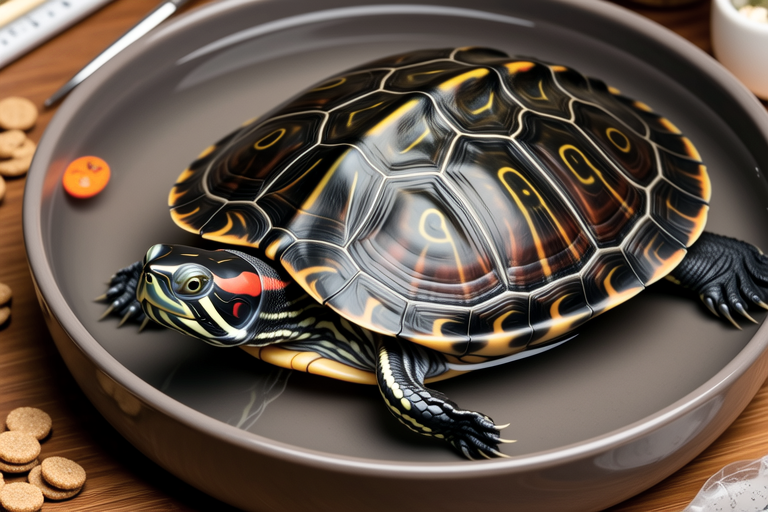
Red-eared sliders (Trachemys scripta elegans) are one of the most popular pet turtles in the world. Their striking appearance, relatively low maintenance, and long lifespan make them a favorite among reptile enthusiasts. However, the care requirements for these aquatic turtles can be complex, leading to many myths and misconceptions. Proper care is essential for their health and well-being, which is why it’s crucial to debunk these myths and provide accurate information.
Myth 1: Red-Eared Sliders Can Live in Small Tanks
Description of Misconception: Many new owners believe that red-eared sliders can thrive in small tanks, especially when they’re young.
Factual Information: Contrary to popular belief, red-eared sliders need ample space to swim and bask. The general rule of thumb is to provide at least 10 gallons of water per inch of shell length. As they grow, this requirement increases significantly. A full-grown slider needs a tank of at least 80 gallons or more. Experts recommend outdoor ponds as the best option for larger turtles.
Myth 2: Red-Eared Sliders Can Eat Anything
Description of Misconception: It’s often thought that red-eared sliders will eat any food offered to them.
Factual Information: Their diet should consist primarily of commercial turtle pellets, leafy greens, and occasional treats like earthworms or feeder fish. Overfeeding or feeding inappropriate foods can lead to obesity and other health issues. Veterinarians recommend feeding adult sliders once every two days, while juveniles may need daily feedings.
Myth 3: Red-Eared Sliders Don’t Need UVB Lighting
Description of Misconception: Some owners assume that red-eared sliders don’t require UVB lighting because they spend most of their time in the water.
Factual Information: UVB light is vital for calcium absorption and overall bone health. Without it, turtles can develop metabolic bone disease. Ensure that your slider has access to a basking area equipped with a UVB lamp that provides adequate levels of UVB radiation.
Myth 4: Red-Eared Sliders Hibernate Indoors
Description of Misconception: Owners sometimes think that indoor temperatures prevent their turtles from needing to hibernate.
Factual Information: While red-eared sliders can be kept indoors year-round, they still have natural hibernation instincts. If you choose to hibernate your turtle, ensure that it has built up enough fat reserves and that the environment mimics natural conditions. Outdoor hibernation is preferred but should only be attempted if the turtle is healthy and the climate is suitable.
Myth 5: Red-Eared Sliders Don’t Require Filtration
Description of Misconception: There’s a belief that red-eared sliders don’t need filtration systems in their tanks.
Factual Information: Filtration is essential for maintaining water quality. Red-eared sliders produce waste, and without proper filtration, ammonia and nitrite levels can rise, causing health problems. Choose a filter that matches the size of your tank and perform regular water changes to keep the environment clean.
Myth 6: Red-Eared Sliders Can Be Tamed
Description of Misconception: Some owners believe that red-eared sliders can be trained or tamed like dogs or cats.
Factual Information: While red-eared sliders can become accustomed to handling and may show signs of recognition, they are not domesticated animals. They do not respond to commands or exhibit behaviors associated with pets. Interaction should be gentle and limited to avoid stress.
Myth 7: Red-Eared Sliders Don’t Need Basking Areas
Description of Misconception: Owners might think that since red-eared sliders spend much of their time in water, they don’t need dry areas to bask.
Factual Information: Basking is crucial for thermoregulation and digestion. Provide a flat rock or platform that allows the turtle to completely dry off and warm itself under a heat lamp. This helps maintain optimal body temperature and supports overall health.
Myth 8: Red-Eared Sliders Can Share Tanks with Other Species
Description of Misconception: Some owners believe that red-eared sliders can coexist peacefully with other aquatic species.
Factual Information: Housing multiple species together can lead to competition for resources and aggression. Red-eared sliders are territorial and may harm smaller turtles or fish. It’s best to keep red-eared sliders in single-species enclosures.
Myth 9: Red-Eared Sliders Are Easy to Breed
Description of Misconception: There’s a misconception that breeding red-eared sliders is straightforward.
Factual Information: Breeding red-eared sliders requires specific environmental conditions and can lead to overpopulation. In many regions, releasing captive-bred turtles into the wild is illegal due to the risk of introducing diseases or outcompeting native species. Responsible breeding should only be undertaken by experienced professionals.
Myth 10: Red-Eared Sliders Have a Short Lifespan
Description of Misconception: Some people think that red-eared sliders have short lifespans, similar to many other pet animals.
Factual Information: With proper care, red-eared sliders can live up to 40 years or more. Factors such as diet, habitat, and veterinary care play significant roles in determining their longevity. Regular check-ups and a balanced diet contribute to a healthier, longer life.
Tips for Responsible Turtle Ownership
- Research thoroughly before bringing home a red-eared slider.
- Provide a suitable habitat with appropriate dimensions and features.
- Ensure a balanced diet and monitor feeding habits closely.
- Invest in high-quality UVB lighting and filtration systems.
- Handle your turtle gently and limit interactions to reduce stress.
- Regularly consult with veterinarians specializing in reptiles.
For further reading, consider books like “The Complete Turtle Keeper’s Handbook” by Chris Tabaka and Roger Klingenberg, and websites dedicated to turtle care. Always prioritize your turtle’s health and well-being by staying informed and proactive.
