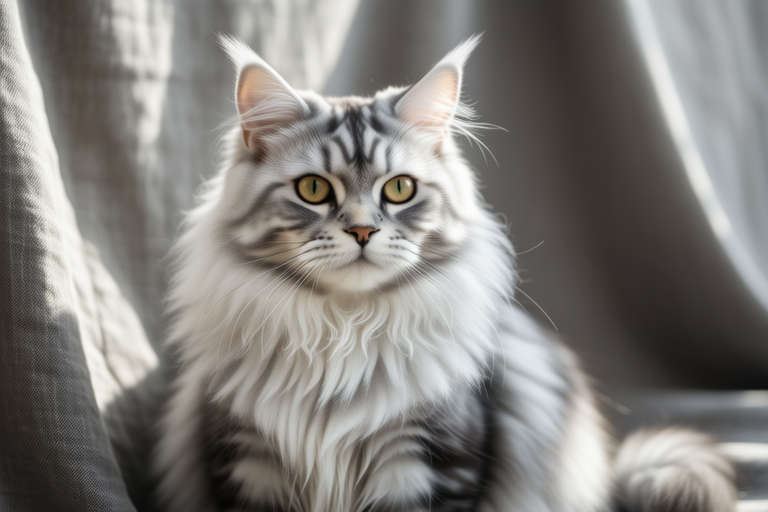
A Complete Guide to Caring for Your Norwegian Forest Cat
The Norwegian Forest Cat, also known as the Norsk Skogkatt, is a majestic breed that has captured the hearts of many cat enthusiasts. Originating from the rugged landscapes of Norway, these cats have an air of mystery and grace that makes them a favorite among pet lovers. This comprehensive guide will walk you through everything you need to know about caring for your Norwegian Forest Cat, from understanding their history and characteristics to ensuring they lead a healthy and happy life.
Introduction to Norwegian Forest Cats
The Norwegian Forest Cat is a natural breed that has existed for centuries. Legend has it that these cats accompanied Vikings on their voyages, protecting ships from rodents. They are well-adapted to cold climates, with a thick, water-resistant double coat that keeps them warm and dry. Their large, muscular bodies and long, bushy tails are designed for survival in harsh winter conditions.
Norwegian Forest Cats are known for their gentle and affectionate nature. They are highly intelligent and enjoy interactive play, making them excellent companions for active households. Despite their wild origins, they adapt well to indoor living and can form strong bonds with their human families.
History and Characteristics
The history of the Norwegian Forest Cat dates back to ancient times. It is believed that these cats were brought to Norway by Crusaders and then interbred with local short-haired cats. Over time, they developed their distinctive appearance and temperament. In the 1930s, efforts were made to preserve the breed, and the first Norwegian Forest Cat Club was established. However, during World War II, the population nearly became extinct. After the war, dedicated breeders worked tirelessly to rebuild the breed.
Physically, Norwegian Forest Cats are medium to large-sized cats with a sturdy build. Males typically weigh between 12-16 pounds, while females are slightly smaller at 8-12 pounds. They have a triangular head shape, expressive green, gold, or copper-colored eyes, and tufted ears that provide protection against the cold. Their coat is one of their most striking features – a dense, water-repellent outer layer and a soft, insulating undercoat.
Dietary Needs
Proper nutrition is essential for maintaining the health and vitality of your Norwegian Forest Cat. These cats require a balanced diet rich in protein, fats, and essential vitamins and minerals. High-quality commercial cat foods, either wet or dry, formulated for adult cats are generally sufficient. Look for products that list meat as the primary ingredient, avoiding those with excessive fillers or artificial additives.
Portion control is key to preventing obesity, which can lead to various health issues. A good rule of thumb is to feed approximately 24-35 calories per pound of body weight daily. Divide this amount into two meals, adjusting as needed based on your cat’s activity level and overall health. Always ensure fresh water is available at all times.
Grooming Requirements
The lush coat of the Norwegian Forest Cat requires regular grooming to keep it healthy and free from mats. Brushing your cat several times a week helps remove loose hair and distribute natural oils throughout the coat. During shedding seasons (spring and fall), daily brushing may be necessary to prevent hairballs and skin irritation.
Bathing your Norwegian Forest Cat is generally not required unless they get particularly dirty or develop a skin condition. Use a gentle, cat-specific shampoo and ensure thorough rinsing to avoid leaving any residue. Pay special attention to areas like behind the ears and around the paws, which can accumulate dirt more easily.
Exercise and Play Recommendations
Regular physical activity is important for keeping your Norwegian Forest Cat fit and mentally stimulated. Interactive toys such as feather wands, laser pointers, and puzzle feeders can encourage playtime and help maintain muscle tone. Incorporating short bursts of exercise throughout the day can also aid in digestion and improve sleep quality.
Providing vertical spaces like cat trees or window perches allows your cat to explore and stretch their muscles. Climbing and jumping are instinctive behaviors for Norwegian Forest Cats, so creating an environment that supports these activities will keep them engaged and happy.
Health Issues Common to the Breed and Preventative Measures
While Norwegian Forest Cats are generally healthy, they may be predisposed to certain genetic disorders. Hypertrophic cardiomyopathy (HCM) is one of the most common heart diseases affecting this breed. Regular veterinary check-ups, including heart screenings, can help detect early signs of HCM.
Dental disease is another concern for many cats, including Norwegians. Daily tooth brushing with a pet-safe toothpaste and providing dental treats or toys can promote oral hygiene. Additionally, maintaining a balanced diet and ensuring proper hydration supports overall health.
Vaccinations and parasite prevention are crucial for protecting your cat from infectious diseases and external parasites. Follow your veterinarian’s recommendations regarding vaccination schedules and deworming protocols.
Suitable Living Environments
Norwegian Forest Cats thrive in environments that offer comfort and stimulation. Indoor living is ideal, especially if you live in colder regions, but providing access to safe outdoor spaces under supervision can enrich their lives. Ensure your home is secure against drafts and temperature fluctuations, and consider using heating pads or cozy blankets during winter months.
Creating designated areas for sleeping, eating, and playing helps establish routines and reduces stress. Providing scratching posts, litter boxes, and comfortable resting spots encourages positive behaviors and supports mental well-being.
Social Behavior and Interaction Tips
Norwegian Forest Cats are generally friendly and enjoy interacting with their human families. However, they may take some time to warm up to strangers or new situations. Patience and consistency in handling and socialization from a young age can foster trust and confidence.
Positive reinforcement techniques, such as offering treats or praise during training sessions, can enhance communication and strengthen the bond between you and your cat. Engaging in regular playtime and setting aside quiet moments for cuddling promotes emotional connection and mutual understanding.
Training Methods
Training your Norwegian Forest Cat can be both fun and beneficial. Basic commands like “come,” “sit,” and “stay” can be taught using clicker training or lure-reward methods. Start by associating a specific sound or gesture with a desired action, followed by immediate reward. Gradually increase the difficulty level as your cat masters each step.
Teaching your cat to use a harness or leash for supervised outdoor excursions requires patience and gradual acclimation. Begin by allowing them to wear the harness indoors for short periods, gradually increasing duration before venturing outside.
Advice on Integrating Them into Families with Children or Other Pets
Introducing a Norwegian Forest Cat to a family with children requires careful planning and supervision. Encourage gentle handling and respect for personal space, teaching children how to interact safely and positively with the cat. Supervised play sessions can help build trust and familiarity.
Integrating a Norwegian Forest Cat into a household with existing pets also necessitates cautious introductions. Monitor interactions closely during initial meetings, providing separate feeding areas and ample space for each animal. Gradually introduce shared spaces and activities to promote harmony within the group.
