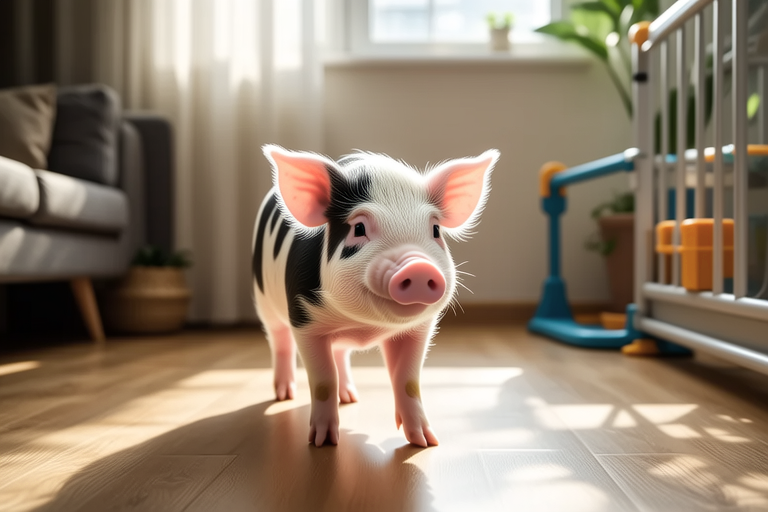
Mini Pigs in Your Home: A Complete Care Guide for First-Time Owners
Introduction
The trend of keeping mini pigs as pets has been on the rise over the past few years. These small, adorable creatures are increasingly becoming popular among pet enthusiasts due to their unique characteristics and charming personalities. Mini pigs are intelligent, affectionate, and can make wonderful companions for those who are ready to provide them with proper care. This guide aims to help first-time owners understand the basics of mini pig ownership, from understanding their dietary needs to providing appropriate housing and healthcare.
Typical Size, Lifespan, and Temperament
Mini pigs come in various breeds, but most full-grown adults range between 40 to 75 pounds, though some can reach up to 150 pounds. They generally live between 12 to 20 years, depending on breed and care. Their temperament is one of the reasons why they are so loved; they are usually friendly, curious, and enjoy interacting with their human families. However, it’s important to note that like any other pet, each mini pig has its own unique personality.
Diet Requirements
Proper nutrition is crucial for maintaining the health of your mini pig. Their diet should consist of high-quality commercial pig feed formulated for mini pigs, which provides balanced nutrients. Avoid feeding them table scraps, as this can lead to obesity and other health problems. Ensure they have access to clean water at all times. Mini pigs require a diet rich in fiber, which aids in digestion and helps maintain a healthy weight. Fresh vegetables and fruits can be given in moderation as treats.
Exercise Needs
Regular exercise is essential for mini pigs to stay fit and prevent behavioral issues. Mini pigs need daily physical activity to burn off energy and keep their minds stimulated. This can include walking on a leash, playing in a safe enclosed area, or even simple indoor games. Providing toys and activities that encourage movement will also help them stay active.
Grooming Tips
Grooming your mini pig is relatively easy compared to other pets. Regular brushing can help remove loose hair and prevent mats. Baths should be kept to a minimum as frequent bathing can strip natural oils from their skin. Trimming nails regularly is necessary to avoid overgrowth, which can cause discomfort. Cleaning their ears and checking for signs of infection are also part of regular grooming routines.
Housing Considerations
Choosing the right living environment for your mini pig is vital. Indoor housing options such as a large dog kennel or a roomy cage can work well, especially during colder months. Outdoors, a secure pen with shade and protection from extreme weather conditions is ideal. The pen should be spacious enough to allow free movement. Bedding should be comfortable yet easy to clean, and temperature control is necessary to ensure comfort year-round. Heating pads or blankets can be used during cold spells, while fans or air conditioners may be needed in hot weather.
Healthcare Advice
Vaccinations play a key role in protecting your mini pig against diseases. Consult your veterinarian to determine which vaccines are necessary based on location and lifestyle. Parasite prevention is equally important. Flea treatments, deworming medications, and heartworm prevention should be administered as recommended by your vet. Common health issues include obesity, dental problems, and respiratory infections. Regular check-ups can help catch these issues early and manage them effectively.
Socialization Techniques and Training Tips
Mini pigs are highly social animals and thrive on interaction. Socializing them from a young age helps build trust and strengthens bonds. Training your mini pig involves positive reinforcement methods such as treats and praise for good behavior. Consistency is key when teaching commands or desired behaviors. Patience is required, as every pig learns at its own pace. With time and effort, you’ll see significant progress in their responsiveness and obedience.
Conclusion
Owning a mini pig can be an incredibly rewarding experience. By understanding their specific needs regarding diet, exercise, grooming, housing, and healthcare, you set yourself up for success as a responsible owner. Remember that every mini pig is different, so adapt these guidelines to suit your pet’s individual requirements. Most importantly, always approach your mini pig with love, patience, and dedication. Enjoy the journey of raising these delightful creatures and cherish the moments spent together.
