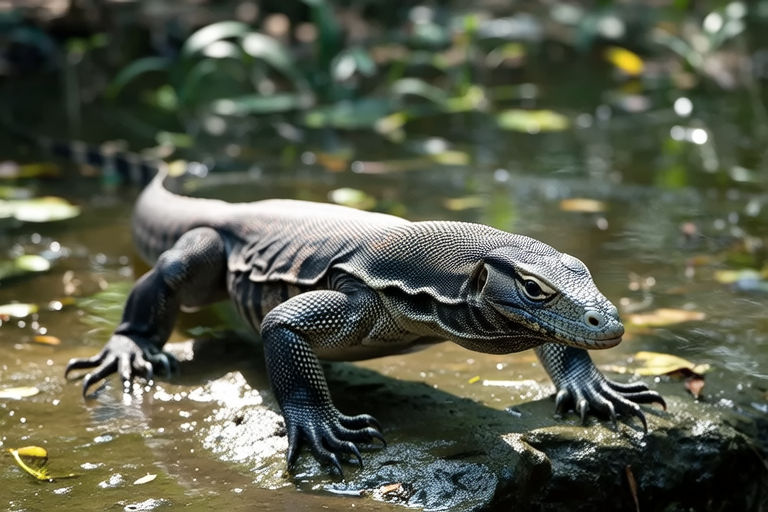
Aquatic Adventures: Discovering the Thrills and Challenges of Owning a Water Monitor
Welcome to the world of aquatic adventures! If you’re intrigued by the idea of owning a pet that combines the grace of a swimmer with the curiosity of a predator, then a water monitor might be just what you’re looking for. These impressive reptiles offer a unique and thrilling experience for their owners, but they come with significant responsibilities and challenges. In this article, we’ll explore the fascinating world of water monitors, covering their unique characteristics, care requirements, suitable habitat setups, dietary needs, potential health issues, and tips for bonding with these remarkable creatures.
Unique Characteristics of Water Monitors
Water monitors (Varanus salvator) are among the largest lizards in the world, capable of growing up to 9 feet in length. Their most striking feature is their sleek, muscular body, perfectly adapted for life both on land and in water. Their long, powerful tails act as rudders when swimming, allowing them to move gracefully through aquatic environments. Water monitors have sharp claws and strong jaws, making them adept hunters. They possess excellent vision and sense of smell, which helps them locate prey efficiently.
One of the most captivating aspects of owning a water monitor is witnessing its natural behaviors. These animals are incredibly active and curious, often exploring their surroundings with great enthusiasm. Watching them dive into water or climb trees can be an exhilarating experience for any owner. However, it’s important to remember that water monitors are wild animals at heart and should always be handled with respect and caution.
Care Requirements
Owning a water monitor requires a significant commitment in terms of time, resources, and knowledge. These animals need spacious enclosures that provide ample space for swimming, climbing, and basking. A well-designed habitat is crucial for their physical and mental well-being. The enclosure should include a large water area for swimming, a sturdy branch for climbing, and a heated basking spot to help regulate their body temperature.
Maintaining proper humidity levels is essential for water monitors, as they thrive in moist environments. Regular misting and the provision of a humid hide box can help achieve this. Additionally, water monitors require UVB lighting to synthesize vitamin D3, which is vital for calcium absorption and overall health. It’s important to consult with a veterinarian experienced in exotic pets to ensure your monitor’s habitat meets all necessary standards.
Suitable Habitat Setup
The ideal habitat for a water monitor consists of a large tank or custom-built enclosure that mimics their natural environment. For a full-grown water monitor, a minimum of 8 feet by 4 feet by 4 feet is recommended. This space allows for swimming, climbing, and basking, providing the animal with ample room to exercise and explore. The water area should be deep enough for the monitor to submerge completely, with smooth edges to prevent injury.
In addition to the primary enclosure, consider providing additional enrichment opportunities such as floating logs, artificial plants, and other objects that encourage exploration. These items can stimulate the monitor’s natural instincts and keep them mentally engaged. Regular cleaning and maintenance of the habitat are crucial to ensure a healthy living environment. Water quality should be monitored regularly, and filters should be cleaned to prevent bacterial growth.
Dietary Needs
Water monitors are carnivorous and require a varied diet to meet their nutritional needs. In the wild, they feed on a wide range of prey, including fish, insects, small mammals, and birds. As pets, they can be fed a diet consisting of commercially available pre-killed rodents, feeder fish, and occasional insects. It’s important to offer a diverse selection of food items to ensure a balanced intake of nutrients.
Feeding should be done in a separate container to prevent contamination of the main enclosure. Younger water monitors may eat more frequently, typically every few days, while adults can be fed less frequently, usually once or twice a week. Proper feeding techniques and the use of tongs or forceps can help reduce the risk of injury to both the monitor and the handler. Always consult with a veterinarian to determine the appropriate feeding schedule based on your monitor’s age, size, and individual needs.
Potential Health Issues
Despite their robust appearance, water monitors are susceptible to certain health issues if not properly cared for. Respiratory infections can occur if the habitat is too damp or lacks proper ventilation. Signs of respiratory distress include wheezing, labored breathing, or discharge from the nose or mouth. Regular monitoring of the habitat’s humidity and temperature levels can help prevent these issues.
Metabolic bone disease (MBD) is another common health problem in water monitors, particularly if they don’t receive adequate exposure to UVB light or if their diet lacks sufficient calcium. Symptoms of MBD include lethargy, weakness, and deformities in the limbs or jaw. Ensuring proper nutrition and lighting is crucial for maintaining your monitor’s skeletal health. Regular veterinary check-ups can help catch and address any health issues early on.
Tips for Bonding with Your Water Monitor
Bonding with a water monitor takes time and patience, as these animals are naturally wary of humans. Start by establishing a consistent routine that includes regular feeding times and gentle handling sessions. Approach your monitor slowly and calmly, avoiding sudden movements that could startle them. Over time, they may become more comfortable with your presence and even show signs of recognition.
Positive reinforcement techniques, such as offering treats or praise during handling sessions, can help build trust between you and your monitor. However, it’s important to respect their boundaries and avoid forcing interaction. Each water monitor is unique, and some may never become fully tame. Regardless, observing their natural behaviors and providing a stimulating environment can deepen your connection with your pet.
Responsibilities and Challenges of Ownership
Owning a water monitor comes with significant responsibilities and challenges. These animals require a substantial investment of time, effort, and financial resources. Providing a suitable habitat, a balanced diet, and regular veterinary care can be costly. Additionally, water monitors grow rapidly and can reach impressive sizes, requiring larger enclosures as they mature.
It’s important to thoroughly research and prepare for the commitment before bringing a water monitor into your home. Consider factors such as space availability, budget, and your ability to meet the monitor’s specific needs. Responsible ownership involves being prepared for the long-term care of these animals and understanding that they are not suitable pets for everyone.
Conclusion
Owning a water monitor offers a thrilling and rewarding experience for those willing to take on the challenge. These fascinating reptiles bring excitement and wonder to their habitats, allowing owners to witness their natural behaviors and develop a unique bond. By providing proper care, a suitable habitat, and a nutritious diet, you can ensure your water monitor thrives and remains a cherished member of your family.
Remember, owning a water monitor is a significant responsibility that requires dedication and commitment. With the right approach, you can enjoy the aquatic adventures and the thrill of sharing your home with one of nature’s most impressive creatures.
