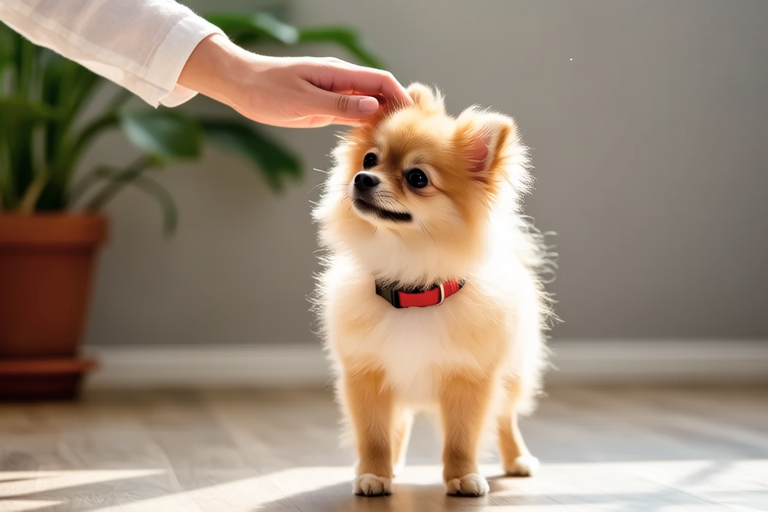
Training Tips for Raising a Happy and Healthy Pomeranian
Welcome to the wonderful world of Pomeranians! These tiny, fluffy bundles of joy are full of personality and charm. However, like any other dog breed, they require proper care, training, and attention to thrive. In this comprehensive guide, we’ll cover everything you need to know to raise a happy and healthy Pomeranian, from basic obedience training to common health issues.
Basic Obedience Training
Training your Pomeranian starts with basic obedience commands. Teaching your pup to respond to simple instructions like ‘sit’, ‘stay’, ‘come’, and ‘leave it’ can help ensure their safety and make everyday life easier for both you and your pet. Begin training sessions when your Pomeranian is young, ideally between 8 to 16 weeks old. This is the prime time for learning new behaviors.
Consistency is key in training. Use the same command words each time so your Pomeranian learns to associate them with specific actions. Positive reinforcement is also crucial; reward good behavior with treats, praise, or playtime. Avoid punishment, as it can lead to fear and aggression. Instead, focus on rewarding desired behaviors and ignoring unwanted ones.
For example, if you’re teaching your Pomeranian to sit, hold a treat above their nose and move it slightly backward. As they follow the treat with their head, their bottom will naturally lower to the ground. Say ‘sit’ as they do so, then immediately give them the treat and praise. Repeat this process several times a day, gradually phasing out the treat as your Pomeranian masters the command.
Socialization Techniques
Socializing your Pomeranian early helps them become well-adjusted adults. Expose them to various people, animals, environments, and situations in a controlled manner. Start by introducing your puppy to family members and friends in your home. Gradually introduce them to other dogs and outdoor environments.
During socialization, keep interactions positive. If your Pomeranian seems anxious or scared, comfort them and try again later. Never force them into situations that make them uncomfortable. Socialization should be fun and stress-free for both you and your pet.
Group classes are another excellent way to socialize your Pomeranian. They provide a structured environment where your dog can learn to interact with others under the guidance of a professional trainer. Look for classes that cater specifically to small breeds or puppies.
Proper Nutrition Guidelines
A balanced diet is essential for maintaining your Pomeranian’s health and energy levels. Choose high-quality dog food that meets AAFCO (Association of American Feed Control Officials) standards. Look for foods that list meat as the primary ingredient and avoid those with fillers like corn, wheat, or soy.
Pomeranians are prone to obesity, so monitor their calorie intake carefully. Feed them two meals a day instead of one large meal. Measure their food using a standard measuring cup to avoid overfeeding. Always consult with your veterinarian about appropriate portion sizes based on your Pomeranian’s age, weight, and activity level.
In addition to regular meals, offer your Pomeranian occasional healthy snacks like carrots, green beans, or apples. Avoid feeding them human food, especially those containing chocolate, onions, garlic, or grapes, as these can be toxic to dogs.
Exercise Routines Tailored for Pomeranians
Despite their small size, Pomeranians are energetic and require regular exercise to maintain their physical and mental health. Daily walks are essential, but be mindful of their short legs and the potential for joint strain. Keep walks short and brisk, aiming for around 20 minutes a day.
Interactive play sessions at home are also beneficial. Hide-and-seek games, puzzle toys, and fetch are great ways to engage your Pomeranian mentally and physically. Rotate toys frequently to prevent boredom and encourage curiosity.
Consider enrolling your Pomeranian in agility classes or indoor playgroups designed for small dogs. These activities not only provide exercise but also stimulate their minds and build confidence.
Grooming Tips
Pomeranians have a thick double coat that requires regular grooming to prevent matting and skin irritations. Brush your Pomeranian at least three times a week, more frequently during shedding season. Use a slicker brush or pin brush to remove tangles and distribute natural oils through their fur.
Bathing your Pomeranian every four to six weeks is usually sufficient, depending on their activity level and personal hygiene. Use a mild, pH-balanced shampoo formulated for dogs. Rinse thoroughly and dry them with a soft towel or blow dryer set on low heat. Never leave your Pomeranian outside in cold weather after bathing, as they may catch a chill.
Trim their nails monthly and check their ears weekly for signs of infection or wax buildup. Clean their ears gently with a cotton ball soaked in ear-cleaning solution if necessary. Consult your veterinarian if you notice any redness, swelling, or discharge.
Common Health Issues
Like all dog breeds, Pomeranians are susceptible to certain health problems. Early detection and treatment can significantly improve their quality of life. Some common health issues include:
- Patellar Luxation: A condition where the kneecap dislocates from its normal position. Signs include limping, reluctance to jump, or difficulty walking.
- Tracheal Collapse: The windpipe weakens and collapses, causing breathing difficulties. Symptoms include honking coughs, especially after excitement or exertion.
- Hypoglycemia: Low blood sugar levels, particularly common in toy breeds. Watch for weakness, lethargy, confusion, or seizures.
- Eye Problems: Conditions like cataracts, progressive retinal atrophy, and glaucoma can affect your Pomeranian’s vision. Regular eye exams can help detect these issues early.
Regular veterinary check-ups and preventive care are crucial in maintaining your Pomeranian’s health. Follow your vet’s recommendations for vaccinations, flea and tick prevention, and heartworm medication.
Advice on Creating a Stimulating Environment
Pomeranians are intelligent and curious, so providing a stimulating environment is vital for their mental well-being. Enrichment activities can prevent boredom and destructive behavior. Rotate toys regularly to keep things interesting. Consider puzzle toys that challenge your Pomeranian to retrieve treats or solve simple problems.
Create a designated play area with safe chew toys, tunnels, and climbing structures. Interactive play sessions with you or other pets can also provide mental stimulation. Rotate playtime activities to keep things fresh and exciting.
Consider incorporating scent work or hide-and-seek games into your daily routine. These activities tap into your Pomeranian’s natural instincts and provide a sense of accomplishment. Always supervise playtime to ensure safety and enjoyment.
Conclusion
Raising a happy and healthy Pomeranian involves consistent effort and dedication. By following the tips outlined in this guide, you can provide your furry friend with the love, care, and attention they deserve. Remember to stay patient, positive, and consistent in your approach. With time and practice, you’ll develop a strong bond with your Pomeranian, ensuring a lifetime of joy and companionship.
