Koi Dreams: Transforming Backyards into Koi Paradise
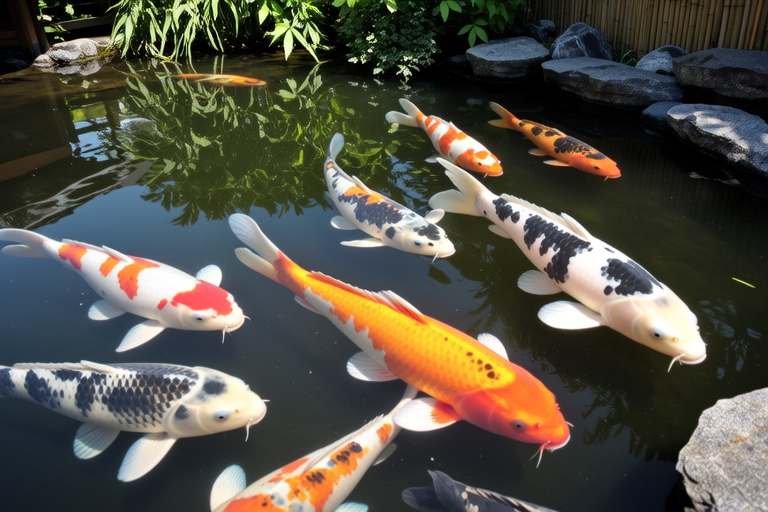
Imagine stepping into your backyard and being greeted by the serene presence of koi fish gracefully swimming in a tranquil pond. The sight and sound of these colorful creatures can transform your garden into a peaceful oasis. Koi fish, known scientifically as Cyprinus carpio, have been cherished for centuries, particularly in Japanese culture, where they symbolize good fortune and longevity. These vibrant, long-lived fish are not only visually appealing but also bring a sense of tranquility and peace to any outdoor space.
The Benefits of a Koi Pond
Creating a koi pond in your backyard offers numerous benefits that extend beyond mere aesthetics. Firstly, the visual appeal of koi fish is unmatched. Their diverse colors and patterns create a mesmerizing spectacle that can captivate anyone who views them. Secondly, koi ponds contribute to a sense of tranquility. The gentle movement of water and the soft splashes of koi as they leap out of the water can create a soothing atmosphere, perfect for unwinding after a long day.
In addition to enhancing the beauty and serenity of your garden, koi ponds also support biodiversity. A well-maintained pond ecosystem provides habitat for various aquatic plants and animals, contributing to a healthier environment. Furthermore, koi ponds can increase property value, adding a unique selling point to your home.
Designing and Building Your Koi Pond
Designing and building a koi pond requires careful planning and consideration. Here’s a step-by-step guide to help you create your very own koi paradise:
- Select the Location: Choose a spot in your yard that receives partial shade, preferably from trees or buildings. This will prevent excessive algae growth and maintain water temperature.
- Determine the Size and Depth: Larger ponds are easier to maintain and provide more space for koi to thrive. Aim for a minimum depth of 3 feet (0.9 meters) to protect koi from extreme temperatures and predators.
- Excavate the Pond: Use a shovel or excavator to dig the pond to your desired shape and size. Ensure the sides slope gradually to allow easy access for cleaning and maintenance.
- Install a Liner: Cover the excavation with a flexible liner to prevent leaks. Overlap the liner edges and secure them with stones or bricks.
- Add Filtration System: Install a filtration system to keep the water clean and healthy. This typically includes a pump, biological filter, and UV sterilizer.
- Construct Waterfalls or Fountains: These features not only enhance the aesthetic appeal of your pond but also help oxygenate the water.
- Plant Aquatic Plants: Add water lilies, lotus, and other submerged plants to provide shelter and oxygen for koi.
- Stock the Pond: Once the pond is filled with water and all systems are operational, introduce your koi fish.
Necessary Equipment and Maintenance Tips
Several pieces of equipment are essential for maintaining a healthy koi pond. A reliable pump ensures water circulation, preventing stagnation and promoting oxygenation. Filters remove debris and waste, keeping the water clear and clean. A thermometer helps monitor water temperature, crucial for koi health. Additionally, consider investing in a UV sterilizer to control algae and bacteria.
Maintenance is key to ensuring the longevity and health of your koi pond. Regularly check and clean filters, skimmers, and pumps. Test water parameters such as pH, ammonia, nitrite, and nitrate levels. Perform partial water changes to refresh the water and remove accumulated toxins. Feed koi fish a balanced diet and avoid overfeeding to prevent water pollution.
Types of Koi and Suitable Plants
Koi come in various types, each with its unique characteristics and colorations. Some popular varieties include Kohaku, Sanke, Showa, and Utsuri. Each type has distinct patterns and markings, offering endless possibilities for personal preference.
Suitable plants for koi ponds include water lilies, lotus, and submerged plants like hornwort and anacharis. These plants not only beautify the pond but also provide essential oxygen and shelter for koi. Floating plants such as duckweed and water hyacinth can also be added to shade the water and reduce algae growth.
Ensuring Water Quality
Water quality is paramount for the health and well-being of your koi. Maintain optimal pH levels between 7.2 and 8.5. Ammonia and nitrite levels should be undetectable, while nitrate levels should remain below 40 ppm. Regular testing and adjustments are necessary to ensure a stable and safe environment for your koi.
Inspiring Examples of Transformed Backyards
Many homeowners have successfully transformed their backyards into koi paradises. One example is the Smith family, who created a stunning pond featuring a cascading waterfall and lush aquatic plants. Another homeowner, the Johnsons, incorporated a stone bridge over their pond, providing both functional and aesthetic appeal. These examples demonstrate the versatility and creativity involved in koi pond design.
Tips for Ongoing Enjoyment and Care
To ensure ongoing enjoyment and care of your koi pond, establish a routine maintenance schedule. Regularly check water parameters, clean filters, and feed koi appropriately. Participate in koi forums and clubs to learn from experienced enthusiasts. By following these tips and continuously learning, you can enjoy your koi pond for years to come.
