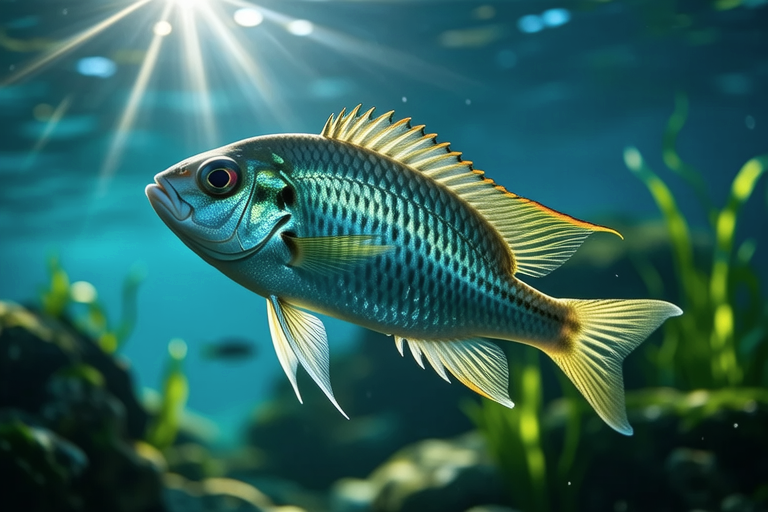
The Enigmatic Beauty of the Rajah Cichlid: Nature’s Underwater Majesty
In the vast and diverse world of freshwater fish, one species stands out as a true testament to nature’s artistry and complexity – the Rajah Cichlid (Vicaryella rajah). This magnificent creature is not only a sight to behold but also a subject of fascination for aquarists and marine biologists alike. The Rajah Cichlid, with its striking appearance, complex behavior, and specific care requirements, offers both challenges and rewards for those who choose to keep it in their aquariums. This article delves into the unique characteristics, behavior, and care requirements of the Rajah Cichlid, capturing the essence of its enigmatic beauty and highlighting its role as a majestic presence in freshwater ecosystems.
Ancient Origins and Native Habitat
The Rajah Cichlid hails from the freshwater rivers and lakes of Southeast Asia, specifically the waters of Indonesia and Malaysia. These areas are known for their rich biodiversity and provide the ideal habitat for the Rajah Cichlid. The species thrives in warm, slightly acidic waters that are well-oxygenated, mimicking the conditions of its natural environment. The rivers and lakes where the Rajah Cichlid is found are characterized by dense vegetation and rocky substrates, which play a crucial role in shaping its behavior and survival strategies.
Appearance and Enigmatic Beauty
The Rajah Cichlid is renowned for its striking appearance, which is a blend of vibrant colors and intricate patterns. Males, in particular, exhibit a dazzling array of hues, ranging from deep reds and oranges to electric blues and greens. Their bodies are adorned with iridescent scales that shimmer under the right lighting, creating an almost ethereal glow. The fins of the Rajah Cichlid are elongated and graceful, adding to its regal demeanor. When fully grown, males can reach up to 8 inches in length, making them a commanding presence in any tank.
Females, while equally beautiful, tend to be more subdued in coloration compared to males. They often display shades of gold, silver, and brown, with less pronounced patterns. However, their smaller size and delicate features make them no less captivating. The contrast between the sexes adds to the overall aesthetic appeal of the species, making it a favorite among aquarists who appreciate both beauty and diversity.
Behavior and Interaction
The Rajah Cichlid is not just a visual delight; it is also a fascinating study in behavior. Known for its territorial nature, the Rajah Cichlid establishes and fiercely defends its territory within its habitat. In the wild, this behavior is crucial for survival, ensuring access to food and potential mates. In an aquarium setting, this can pose challenges for the aquarist, as the Rajah Cichlid may become aggressive towards other fish, especially those of similar size or coloration.
Despite its territorial tendencies, the Rajah Cichlid is also capable of forming pair bonds and engaging in cooperative behaviors. Mating pairs work together to build nests and care for their offspring, demonstrating a level of social interaction that is both intriguing and endearing. Observing these interactions can be a rewarding experience for aquarists, offering glimpses into the complex social dynamics of the species.
Dietary Needs
Maintaining the health and vibrancy of the Rajah Cichlid requires attention to its dietary needs. In the wild, the Rajah Cichlid is an omnivore, feeding on a variety of plant matter and small aquatic creatures. In captivity, it is essential to replicate this diet as closely as possible. A balanced diet for the Rajah Cichlid should include high-quality flake foods, pellets, and frozen or live foods such as bloodworms, brine shrimp, and daphnia. Supplementing their diet with fresh vegetables like spinach and peas can also help maintain their overall health.
It is important to note that overfeeding can lead to obesity and other health issues, so portion control is key. Additionally, ensuring that the water parameters remain stable and optimal is crucial for the digestive health of the Rajah Cichlid. Regular water changes and proper filtration systems are necessary to maintain a clean and healthy environment.
Care Requirements
Keeping the Rajah Cichlid in an aquarium requires careful planning and consideration. Given its size and active nature, a spacious tank is essential. A minimum tank size of 75 gallons is recommended to provide ample space for swimming and establishing territories. The tank should be equipped with robust filtration systems to handle the biological load produced by the fish and maintain water quality. Adequate aeration and circulation are also important to ensure that the water remains oxygen-rich.
Decorating the tank with rocks, driftwood, and plants can mimic the natural habitat of the Rajah Cichlid and provide hiding spots and spawning sites. It is advisable to use hardy plants that can withstand the vigorous activities of the fish, such as Java ferns and Amazon swords. The substrate should be fine and smooth to prevent injury to the fish during their territorial displays.
Challenges and Rewards
While the Rajah Cichlid is a breathtaking addition to any aquarium, it does come with its share of challenges. Its territorial nature and potential aggression towards other fish require careful selection of tankmates. It is best to house the Rajah Cichlid with species of similar size and temperament to avoid conflicts. Compatibility testing before introducing new fish into the tank can help minimize stress and ensure a harmonious environment.
Another challenge lies in the breeding process. While the Rajah Cichlid can breed in captivity, it requires specific conditions to induce spawning. Maintaining optimal water parameters, providing suitable spawning sites, and ensuring the right balance of nutrition are all critical factors. Patience and attention to detail are necessary when attempting to breed the Rajah Cichlid, as the process can be delicate and time-consuming.
Despite these challenges, the rewards of keeping the Rajah Cichlid far outweigh the difficulties. Watching the fish display its vibrant colors and engage in its natural behaviors can be deeply satisfying. The sense of accomplishment in successfully maintaining a healthy and thriving population of Rajah Cichlids is unparalleled. For enthusiasts and aquarists, the Rajah Cichlid represents a true testament to the wonders of nature and the joy of responsible stewardship.
The Role of the Rajah Cichlid in Freshwater Ecosystems
The Rajah Cichlid plays a vital role in the freshwater ecosystems of Southeast Asia. As an omnivore, it helps regulate the populations of various aquatic organisms, contributing to the balance of the ecosystem. Its territorial behavior ensures that resources are distributed efficiently, preventing overgrazing of plants and overconsumption of smaller organisms. By maintaining this balance, the Rajah Cichlid supports the overall health and resilience of its habitat.
Furthermore, the Rajah Cichlid serves as an indicator species for environmental health. Changes in water quality, pollution levels, or habitat degradation can have significant impacts on its population and behavior. Monitoring the status of the Rajah Cichlid can provide valuable insights into the broader ecological health of its native waters, making it an important species for conservation efforts.
Conclusion
The Rajah Cichlid is truly a marvel of nature, embodying both beauty and complexity. Its striking appearance, fascinating behavior, and specific care requirements make it a captivating subject for aquarists and enthusiasts. While keeping the Rajah Cichlid presents challenges, the rewards of witnessing its majestic presence in an aquarium setting are immeasurable. By understanding and respecting the needs of this species, we can contribute to its well-being and appreciation, ensuring that future generations can also marvel at the enigmatic beauty of the Rajah Cichlid.
