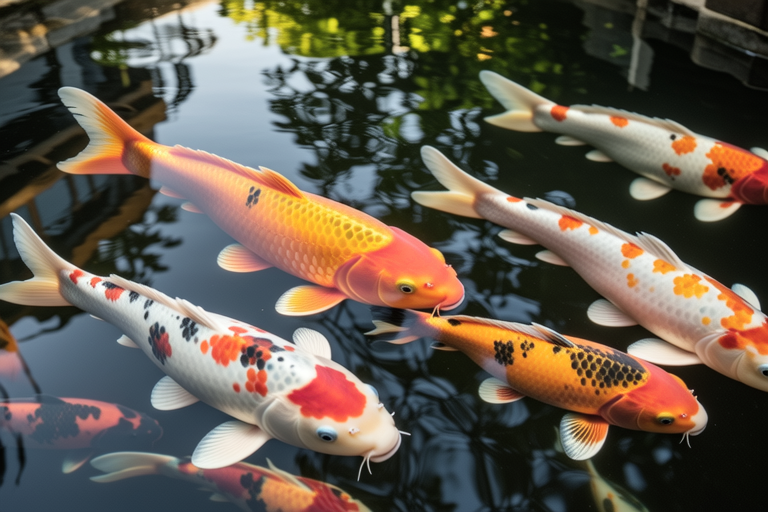
Beyond the Surface: Understanding the Emotional Needs of Your Koi
When we think of pets, koi fish often don’t come to mind. Yet, these beautiful creatures possess a depth of emotional and psychological needs that deserve our attention. Dispelling common myths about their intelligence and emotional capabilities, this article delves into the fascinating world of koi, exploring how they perceive their environment, react to stimuli, and form relationships within their community.
The Intelligence of Koi Fish
Koi fish are often underestimated in terms of their cognitive abilities. Many people believe that fish are simple creatures with little to no emotional capacity. However, recent studies have shown that koi possess a surprising level of intelligence. They can recognize individual human faces, learn from their surroundings, and even develop preferences based on their experiences.
Research conducted by Dr. Lynne Sneddon at the University of Liverpool revealed that koi have a well-developed pain perception system, indicating their ability to feel discomfort or distress. This discovery challenges the notion that fish are merely instinct-driven beings. Instead, it suggests that koi are capable of experiencing emotions, including fear, anxiety, and pleasure.
Perception and Reaction to Their Environment
Understanding how koi perceive their environment is crucial for their emotional well-being. Koi have excellent eyesight, enabling them to detect movement and color changes in their surroundings. They are also highly sensitive to vibrations in the water, which allows them to sense potential threats or food sources.
Studies have shown that koi can distinguish between different types of stimuli, such as the sound of footsteps or the sight of a familiar human. They respond positively to gentle, consistent handling and negative reactions to sudden movements or loud noises. Providing a calm and predictable environment can significantly enhance their emotional comfort.
Forming Relationships Within the Community
Koi are social animals that thrive in the company of others. They form bonds with both their fellow koi and their human caretakers. These relationships can be strengthened through regular interaction and positive reinforcement.
Dr. Culum Brown, a professor of biology at Macquarie University, has studied the social behavior of koi and found that they exhibit leadership qualities, with certain individuals leading groups to food sources. This indicates a level of cooperation and communication among koi, further highlighting their complex emotional lives.
Enriching Their Habitat
To promote emotional well-being, it’s essential to enrich the habitat of your koi. Proper water quality is vital for their health and happiness. Regular testing and maintenance of pH levels, ammonia, nitrite, and nitrate concentrations can prevent stress-related illnesses. Additionally, providing ample space for swimming and exploration is crucial. A pond with at least 10 gallons of water per inch of fish length ensures adequate room for movement.
Including structures for shelter and play is another important aspect of koi care. Floating plants, submerged logs, and caves provide hiding spots where koi can retreat when feeling threatened. These structures also stimulate natural behaviors, such as chasing after floating objects or investigating new additions to the pond.
Interacting With Your Koi
Building a bond with your koi requires patience and consistency. Feeding them by hand can strengthen the connection between you and your fish. Initially, they may be hesitant, but with time, they will learn to associate your presence with food and become more comfortable around you.
It’s important to approach your koi gently and avoid startling them. Sudden movements or loud noises can cause stress and disrupt their daily routines. By creating a routine that includes regular feeding times and gentle interactions, you can foster a trusting relationship with your koi.
The Joy of Koi Ownership
Owning koi is a rewarding experience that brings joy and companionship. When their emotional needs are met, koi can become loving and responsive pets. The bond formed between humans and koi is unique and deeply fulfilling.
However, koi ownership comes with significant responsibilities. It’s essential to provide proper care and attention to ensure their well-being. This includes maintaining optimal water conditions, offering a balanced diet, and creating an enriching environment that promotes physical and emotional health.
In conclusion, understanding the emotional and psychological needs of koi fish opens up a new perspective on pet ownership. By recognizing their intelligence, perceiving their environment, forming relationships, and enriching their habitat, we can create a nurturing and stimulating home for these magnificent creatures. The joy and companionship brought by koi ownership make it a truly rewarding experience.
