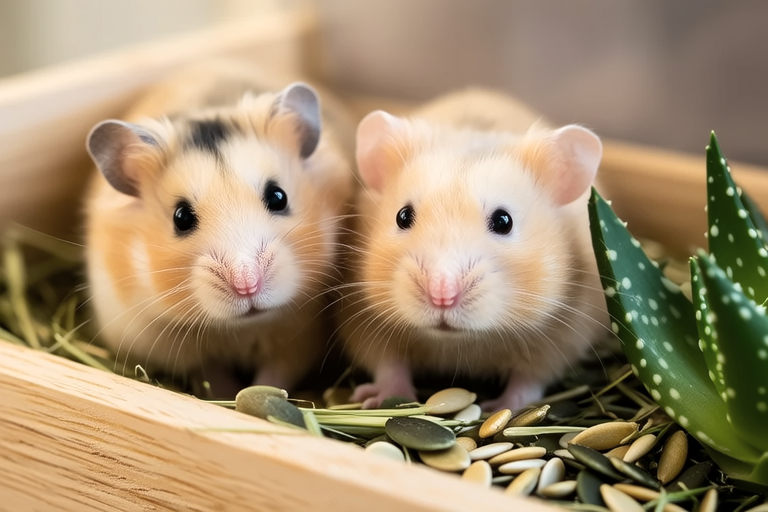
Roborovski Hamsters 101: Everything You Need to Know Before Adoption
Welcome to the wonderful world of Roborovski hamsters! These tiny, energetic creatures have quickly become one of the most popular pets among animal lovers. If you’re considering adopting a Roborovski hamster, this guide will provide you with all the information you need to make an informed decision and ensure your new furry friend lives a happy and healthy life.
Origin and History
The Roborovski hamster, also known as the Robo or Roborovski dwarf hamster, hails from the deserts of Central Asia. They were first discovered in 1894 by Lt. Vsevolod Roborovski, a Russian explorer, after whom they are named. Roborovski hamsters are native to Kazakhstan, Mongolia, and China. Due to their small size and rapid movement, they are challenging to study in the wild, but they have adapted well to captivity and thrive in the right environment.
Ideal Living Environment Setup
Setting up the perfect home for your Roborovski hamster is crucial for their happiness and well-being. Roborovskis are active and require plenty of space to explore and exercise. A minimum cage size of 24 inches long, 12 inches wide, and 12 inches high is recommended, though larger enclosures are always better. Choose a cage with bars that are close together to prevent escape, and ensure it has multiple levels and ramps for climbing.
Provide a variety of bedding materials such as aspen shavings, paper-based bedding, or recycled paper products. Avoid cedar and pine shavings, as they can be harmful to hamsters due to their strong aromatic oils. Clean the cage regularly, at least once a week, to maintain hygiene and prevent odor buildup.
Incorporate chew toys, tunnels, and hiding spots to stimulate their natural burrowing instincts. Roborovskis love to hide, so include items like cardboard tubes, wooden houses, or small ceramic pots. Ensure the cage has good ventilation and is placed in a quiet area away from direct sunlight, drafts, and loud noises.
Dietary Needs
A balanced diet is essential for maintaining your Roborovski hamster’s health. Their diet should consist primarily of high-quality commercial hamster food, which includes a mix of seeds, grains, and pellets. Supplement their diet with fresh vegetables and fruits, but introduce them gradually and in moderation to avoid digestive issues. Suitable vegetables include carrots, broccoli, and spinach, while apples, blueberries, and strawberries are excellent fruit options.
Always provide fresh water daily, either through a sipper bottle or a water bowl, and clean it regularly to prevent bacterial growth. Roborovskis are prone to obesity, so monitor their food intake and avoid overfeeding. Treats should be given sparingly, and opt for healthy options like dried cranberries or unsweetened oat flakes.
Typical Behavior and Temperament
Roborovski hamsters are known for their playful and curious nature. They are highly active, especially during the twilight hours (dawn and dusk), and enjoy exploring their surroundings. Despite their small size, they are full of energy and can run several miles on their wheel each night.
While Roborovskis are generally gentle and docile, they can be skittish and may bite if startled or mishandled. Approach them slowly and calmly, allowing them time to get used to your presence. Gently scoop them up with both hands, supporting their body and avoiding sudden movements. With patience and consistency, you can build a trusting relationship with your Roborovski hamster.
Health Considerations
Roborovski hamsters are generally hardy and resilient, but they can still face certain health issues. Common ailments include wet tail, a severe form of diarrhea caused by stress or poor diet; respiratory infections, often due to cold temperatures or overcrowded living conditions; and dental problems, as their teeth grow continuously.
To keep your Roborovski hamster healthy, ensure their living environment is clean, spacious, and free from drafts. Provide a balanced diet and fresh water daily, and monitor their weight and behavior regularly. If you notice any signs of illness, such as lethargy, loss of appetite, or unusual discharge, consult a veterinarian specializing in exotic pets immediately.
Exercise Requirements
Providing ample opportunities for exercise is vital for your Roborovski hamster’s physical and mental well-being. In addition to a large cage with multiple levels and tunnels, offer a safe exercise wheel. Look for a solid-surface wheel to prevent injuries to their feet. Rotate toys periodically to keep your hamster engaged and mentally stimulated.
Supervised playtime outside the cage can also be beneficial, allowing your Roborovski to explore a secure, hamster-proofed area. Always supervise them closely during these sessions to prevent accidents. Regular exercise helps maintain a healthy weight, reduces stress, and prevents behavioral issues.
Tips for Handling and Training
Handling your Roborovski hamster gently and consistently will help establish trust and make daily interactions enjoyable. Start by placing your hand inside the cage, letting your hamster sniff and get accustomed to your scent. Once comfortable, gently pick them up using both hands, supporting their body firmly but gently.
Training your Roborovski hamster can be a fun and rewarding experience. Begin with simple commands like ‘come’ or ‘sit’ using treats as positive reinforcement. Consistency is key, so practice regularly but avoid overtraining, as Roborovskis can become stressed with too much handling. Remember, every hamster is different, so adapt your approach based on your pet’s personality and comfort level.
Unique Characteristics Compared to Other Hamster Breeds
Roborovski hamsters stand out from other hamster breeds due to their smaller size, rapid movements, and unique behaviors. They are the smallest breed of hamster, typically weighing between 20 to 30 grams, making them ideal for those with limited space. Their speed and agility are remarkable, and they can run up to six miles per night on their wheels.
Unlike some other hamster breeds, Roborovskis are less likely to hoard food. Instead, they prefer to eat what they need when they need it. This characteristic makes managing their diet easier and reduces the risk of obesity. Additionally, Roborovskis are social animals and can live harmoniously with others of their kind in a spacious enough enclosure, provided they are introduced carefully and monitored closely.
Conclusion
Owning a Roborovski hamster is a rewarding experience, offering companionship and joy to those who appreciate these tiny, energetic creatures. By understanding their origins, providing the right living environment, and meeting their dietary and exercise needs, you can ensure your Roborovski hamster thrives. Remember to handle them gently, respect their boundaries, and seek professional advice when necessary. With patience and care, you’ll create a loving bond with your new pet and enjoy many happy moments together.
