How Norwegians Are Revolutionizing Eco-Friendly Pet Ownership
In recent years, Norway has emerged as a global leader in sustainable living, with its citizens taking proactive steps to reduce their carbon footprint. This commitment to environmental stewardship extends to the realm of pet ownership, where innovative practices and products are being developed and adopted to minimize the environmental impact of our four-legged companions. From eco-friendly pet products to community initiatives, Norwegians are at the forefront of creating a greener future for pets and their owners alike.
The Motivation Behind Eco-Conscious Pet Ownership
The motivation behind these eco-conscious choices is multifaceted. Firstly, there’s a growing awareness of the environmental impact that traditional pet ownership can have. From the production of pet food to the disposal of waste, every aspect of pet care can contribute to pollution and resource depletion. Secondly, many pet owners are inspired by the broader movement towards sustainability, recognizing that even small changes can make a significant difference when scaled up. Lastly, there’s a strong sense of responsibility among pet owners to ensure that their beloved animals are cared for in a way that respects the planet they share.
Innovative Practices and Products
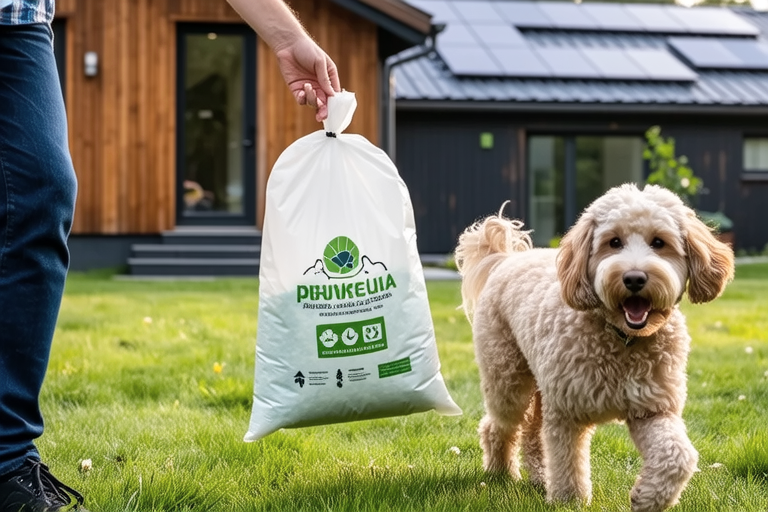
Norway is home to a thriving community of pet product manufacturers who are leading the charge in developing sustainable alternatives to conventional pet products. One such company is PawPaw Naturals, which produces biodegradable dog poop bags made from plant-based materials. These bags decompose naturally, reducing the amount of plastic waste that ends up in landfills. Another notable example is Sniff & Purr, a company that offers organic pet food made from locally sourced ingredients, ensuring that the carbon footprint associated with transportation is minimized.
Eco-Friendly Pet Food
One of the most impactful ways to reduce the environmental impact of pet ownership is through the choice of pet food. In Norway, there is a growing trend towards feeding pets organic, locally sourced, and minimally processed foods. Not only does this approach reduce the reliance on industrial agriculture, but it also promotes biodiversity and supports local farmers. For instance, Wild Earth is a company that produces plant-based dog food, offering a sustainable alternative to meat-based diets. Additionally, some pet owners are experimenting with raw feeding, which involves feeding pets unprocessed meats, fruits, and vegetables. While raw feeding can be controversial, proponents argue that it is more sustainable than conventional pet food due to its lower environmental impact.
Sustainable Pet Waste Management
Another area where Norwegian pet owners are making strides is in the management of pet waste. Traditional methods of disposing of dog poop often involve single-use plastic bags, which can take hundreds of years to decompose. To address this issue, some municipalities in Norway have introduced dog waste collection services that provide biodegradable bags and bins for easy disposal. Furthermore, there are innovative solutions like compostable poop bags and enzymatic cleaners that break down pet waste into harmless substances, allowing it to be safely disposed of in household compost bins.
Community Initiatives
In addition to individual efforts, there are numerous community initiatives aimed at promoting sustainable pet ownership. One such initiative is the Green Paws Challenge, a nationwide competition that encourages pet owners to adopt eco-friendly practices and share their experiences online. Participants are awarded points for actions such as using reusable water bottles for pets, adopting shelter animals, and participating in community clean-up events. The challenge not only raises awareness about the importance of sustainable pet ownership but also fosters a sense of community among environmentally conscious pet owners.
Another notable initiative is the Adopt-a-Pet Program, which pairs shelter animals with eco-conscious families. By choosing to adopt rather than purchase a pet, participants reduce the demand for mass-produced pets and promote animal welfare. Moreover, many of these programs emphasize the importance of spaying and neutering pets to control population growth and reduce the number of unwanted animals.
Actionable Tips for Sustainable Pet Ownership
For those looking to adopt more sustainable practices, there are several actionable tips that can be implemented:
- Choose eco-friendly pet products: Opt for pet toys, bedding, and accessories made from sustainable materials such as bamboo, organic cotton, or recycled plastics. Look for certifications like FSC (Forest Stewardship Council) or BPA-free labels to ensure that the products you’re buying are environmentally responsible.
- Feed your pet sustainably: Consider switching to organic, locally sourced, or plant-based pet food. If you’re interested in raw feeding, consult with a veterinarian to ensure that your pet receives a balanced diet.
- Reduce waste: Use reusable pet bowls, water bottles, and waste bags to minimize single-use plastics. Compost pet waste if possible, or dispose of it in designated bins provided by local authorities.
- Support local: Whenever possible, purchase pet products from local businesses or artisans. This not only reduces the carbon footprint associated with transportation but also supports the local economy.
- Get involved in community initiatives: Participate in local clean-up events, volunteer at animal shelters, or join online communities dedicated to sustainable pet ownership. These activities not only benefit the environment but also foster a sense of community among like-minded individuals.
The Positive Effects on the Environment
The collective effort of Norwegian pet owners and manufacturers is having a tangible positive effect on the environment. By adopting sustainable practices, reducing waste, and supporting local initiatives, these individuals are helping to mitigate the negative impacts of pet ownership. For example, the use of biodegradable poop bags and compostable waste management systems has significantly reduced the amount of plastic waste generated by pets. Similarly, the shift towards organic and locally sourced pet food has promoted biodiversity and supported sustainable farming practices.
Moreover, the adoption of eco-friendly pet products has encouraged innovation in the pet industry, driving the development of new technologies and materials that are better for the environment. As more pet owners embrace these practices, there is potential for a ripple effect, inspiring others around the world to follow suit and contribute to a more sustainable future for all.
Conclusion
Norwegian pet owners and manufacturers are setting an example for the rest of the world with their innovative practices and products designed to minimize the environmental impact of pet ownership. From eco-friendly pet food to sustainable waste management systems, the options available today are more diverse and accessible than ever before. By adopting these practices, pet owners can reduce their carbon footprint, support local communities, and promote animal welfare. Whether you’re a seasoned pet owner or just starting out, there are countless ways to make a positive impact on the environment while providing your pet with the best possible care.
