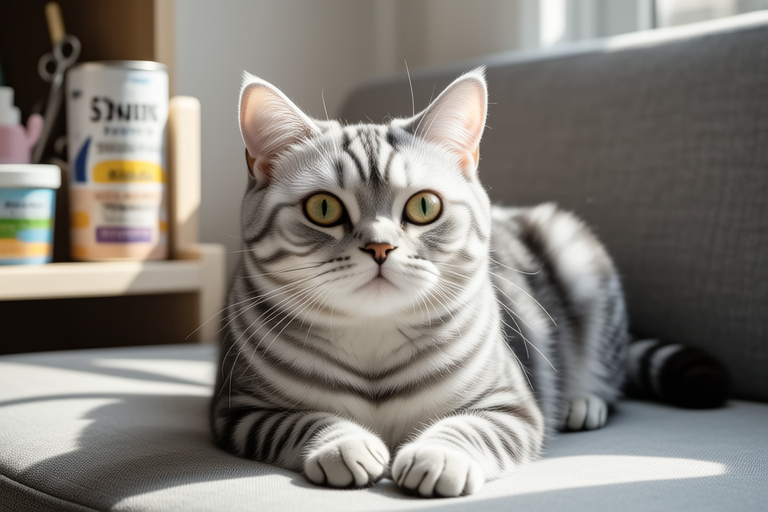
American Shorthair Care Guide: Tips for First-Time Owners
Welcome to the world of American Shorthair cats! Known for their robust health, friendly demeanor, and striking appearance, these cats make wonderful companions for families and first-time pet owners alike. This guide provides comprehensive advice on caring for your American Shorthair, covering essential areas such as diet, grooming, health maintenance, exercise, and behavioral training.
Dietary Needs
Feeding your American Shorthair a balanced diet is crucial for maintaining its overall health and well-being. High-quality commercial cat food formulated for adult cats is generally sufficient, but always consult with your veterinarian about specific dietary requirements based on your cat’s age, weight, and activity level.
American Shorthairs have relatively low energy levels compared to other breeds, so they do not require large amounts of food. Overfeeding can lead to obesity, which is a common issue among indoor cats. Ensure that you provide portion-controlled meals and avoid feeding table scraps, as these can upset the nutritional balance of their diet.
In addition to dry and wet food, consider offering treats in moderation. Treats should be no more than 10% of your cat’s daily caloric intake. Look for treats that are low in calories and high in protein to keep your cat healthy.
Grooming
American Shorthairs have short, dense coats that require minimal grooming. However, regular brushing helps remove loose hair, prevents matting, and stimulates blood circulation. Brush your cat once or twice a week using a soft-bristled brush or a rubber curry comb. During shedding seasons (spring and fall), you may need to increase the frequency of brushing to two or three times per week.
Bathing is rarely necessary unless your cat gets into something particularly dirty or smelly. Use a mild, cat-specific shampoo and ensure thorough rinsing to prevent skin irritation. After bathing, gently towel-dry your cat and allow it to air dry in a warm room.
Trimming nails every few weeks is also important to prevent overgrowth, which can cause discomfort and potentially damage furniture. If your cat resists nail trimming, try introducing the process gradually by handling its paws during playtime.
Health Maintenance
American Shorthairs are generally hardy and less prone to genetic disorders than some other breeds. However, like all cats, they can develop certain health conditions. Regular veterinary check-ups are essential for early detection and treatment of any potential issues.
Common health problems include dental disease, obesity, and ear infections. Maintaining good oral hygiene through regular brushing and providing dental treats can help prevent dental issues. Obesity can be managed by controlling portions and ensuring adequate physical activity. Ear infections may occur if your cat has excessive ear wax or if water enters the ears during bathing. Keep an eye out for signs of infection, such as redness, swelling, or discharge, and consult your vet promptly.
Vaccinations are critical for protecting your cat against infectious diseases. Core vaccines include rabies, feline panleukopenia (distemper), feline herpesvirus, and feline calicivirus. Non-core vaccines may be recommended depending on your cat’s lifestyle and risk factors.
Exercise Needs
American Shorthairs are moderately active cats that enjoy exploring their surroundings and engaging in interactive play. Providing them with opportunities for physical activity helps maintain their fitness and mental stimulation.
Interactive toys, such as feather wands or laser pointers, encourage hunting behaviors and promote agility. Puzzle feeders and treat-dispensing toys offer mental challenges and can help prevent boredom. Rotate toys periodically to keep your cat interested and engaged.
Designate a space within your home where your cat can climb, scratch, and rest. Cat trees, scratching posts, and window perches provide vertical territory and outlets for natural behaviors. Encourage your cat to use these structures by placing treats or toys near them.
Behavioral Training
Socialization is key to raising a well-adjusted and confident American Shorthair. Early exposure to different people, animals, environments, and experiences helps prevent fear-based aggression and anxiety.
Toilet training is usually straightforward for most cats. Place the litter box in a quiet, easily accessible area away from food and sleeping spaces. Scoop solids daily and change the entire litter every one to two weeks. Clean the box regularly to prevent odors and encourage continued use.
If your cat exhibits undesirable behaviors, such as scratching furniture or biting, address them positively through redirection and reinforcement. Provide appropriate scratching surfaces and praise your cat when it uses them. For biting, redirect the behavior towards a toy and reward gentle play.
Choosing Appropriate Toys
Selecting suitable toys for your American Shorthair is important for both entertainment and exercise. Look for items that stimulate your cat’s natural instincts, such as chasing, pouncing, and batting.
Interactive toys that mimic prey-like movements, such as feather wands or battery-operated mice, engage your cat mentally and physically. Puzzle feeders challenge your cat to solve problems to obtain treats, promoting cognitive development. Balls and small stuffed animals encourage playful interactions between you and your cat.
Rotate toys periodically to keep your cat interested and engaged. Introduce new toys gradually to avoid overwhelming your cat. Observe how your cat interacts with each toy and adjust your selection accordingly.
Litter Box Management
Proper litter box management is vital for maintaining a clean and hygienic living environment for both you and your cat. The rule of thumb is to provide one litter box per cat plus one additional box. For example, if you have two cats, you should have three litter boxes.
Choose a litter box that is large enough for your cat to comfortably move around in and scoop out waste without difficulty. Many cats prefer uncovered litter boxes because they offer better visibility and easier escape routes. However, if your cat seems anxious about using the litter box, try experimenting with covered options.
Select a litter type that your cat prefers. Some cats prefer fine-grained litters, while others prefer coarser textures. Avoid scented litters, as strong odors may deter your cat from using the litter box.
Creating a Safe Home Environment
Ensuring a safe living space for your American Shorthair is paramount. Remove any potential hazards, such as toxic plants, small objects that could be swallowed, and dangling cords. Install secure screens on windows and balconies to prevent accidental falls.
Provide multiple hiding spots and resting areas throughout your home. Cats often feel more secure when they have several places to retreat to. Consider adding cozy beds, blankets, and soft cushions to create inviting spaces.
Establish a routine for feeding, playtime, and bedtime. Cats thrive on consistency, and having a predictable schedule helps reduce stress and anxiety. Allocate time each day for interactive play and bonding activities.
Common Health Issues
While American Shorthairs are generally healthy, they can still develop certain health conditions. Common issues include:
- Dental Disease: Regular dental care is essential to prevent gum disease and tooth decay.
- Obesity: Maintaining a healthy weight is crucial for preventing joint problems and other health issues.
- Hypertrophic Cardiomyopathy: A heart condition that affects many cat breeds, including American Shorthairs.
- Polycystic Kidney Disease: An inherited disorder that causes cysts to form in the kidneys.
Regular veterinary check-ups are crucial for early detection and treatment of these and other potential issues. Discuss any concerns with your veterinarian and follow their recommendations for maintaining your cat’s health.
Integrating Your Cat Into the Family
Socializing your American Shorthair is important for fostering positive relationships within your household. Gradually introduce your cat to family members, allowing them to approach at their own pace. Use treats and praise to reinforce positive interactions.
If you have children, teach them how to interact safely with your cat. Supervise interactions initially and remind children to be gentle and respectful. Encourage gentle petting, playing, and feeding under adult supervision.
Introducing your cat to other pets requires careful planning and gradual introductions. Allow each animal to become accustomed to the other’s scent before bringing them together. Monitor their initial encounters closely and separate them if any signs of aggression arise.
Conclusion
Raising an American Shorthair can be a rewarding experience filled with joy and companionship. By following the tips outlined in this guide, you’ll be well-equipped to provide your cat with the best possible care. Remember that every cat is unique, so observe your pet’s individual needs and adjust your care accordingly. With love, patience, and proper attention, your American Shorthair will thrive in its new home.
