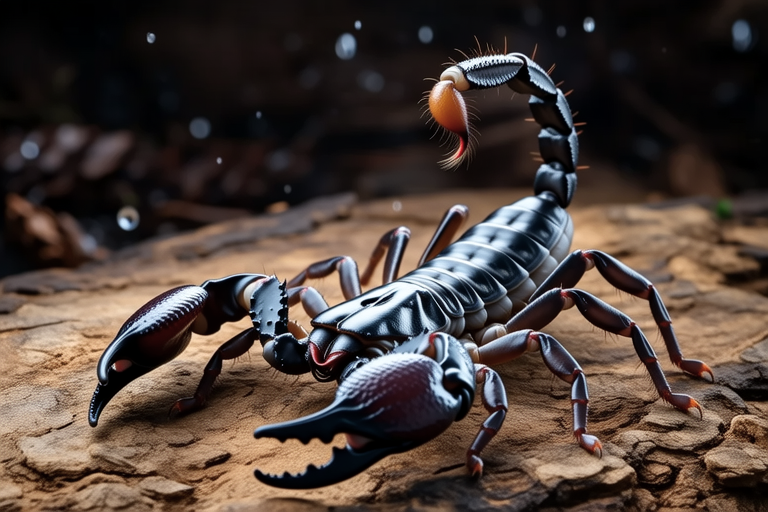
Heterometrus Spinifer: What You Need to Know Before Keeping This Unique Pet
Introduction
The world of exotic pets is vast and varied, with each species offering a unique set of challenges and rewards. Among these fascinating creatures, the Heterometrus spinifer stands out as a particularly intriguing choice for those seeking a distinct and captivating pet. Known for its striking appearance and relatively docile nature, the Heterometrus spinifer, also commonly referred to as the Asian forest scorpion, is a popular choice among arachnid enthusiasts. However, before diving into the world of keeping this species, it is crucial to understand its specific needs and the responsibilities that come with ownership.
This comprehensive guide aims to provide all the necessary information for both potential and current owners of the Heterometrus spinifer. From understanding their natural habitat to ensuring their proper care, this article will cover everything you need to know to make an informed decision about keeping this unique pet.
Natural Habitat
The Heterometrus spinifer is native to Southeast Asia, primarily found in countries such as Thailand, Malaysia, and Indonesia. These scorpions thrive in humid, tropical environments, often residing in dense forests and under logs, rocks, or other debris. They are adapted to life on the ground, where they seek shelter during the day and become active at night to hunt for prey. Understanding their natural environment is essential for replicating similar conditions in captivity, ensuring the well-being of your pet.
Diet Requirements
Feeding the Heterometrus spinifer correctly is paramount to maintaining their health and longevity. In the wild, these scorpions are opportunistic hunters, feeding on insects such as crickets, cockroaches, and other small invertebrates. As pets, they can be fed a similar diet, but it’s important to ensure that the food items are appropriately sized. Juvenile scorpions may require smaller prey, while adults can handle larger insects. It is recommended to feed them once every one to two weeks, depending on their size and activity level.
In addition to live food, some owners choose to offer calcium supplements to help maintain the scorpion’s exoskeleton health. Dusting the prey with a calcium powder before feeding can provide additional nutrients. Always ensure that the prey is freshly killed or alive but unable to harm the scorpion, as this reduces the risk of injury to your pet.
Housing Needs
Creating an appropriate living environment for your Heterometrus spinifer is crucial for their comfort and health. A glass or plastic tank with a secure lid is ideal, providing ample space for the scorpion to move around and explore. The tank should be at least three times the length of the scorpion, allowing them enough room to feel secure and comfortable. Additionally, the substrate should be kept moist to mimic their natural habitat, but not so wet that it leads to mold growth.
Providing hiding spots within the enclosure is essential, as scorpions are nocturnal and prefer to remain hidden during the day. Rocks, cork bark, and other non-toxic decorations can serve as suitable hideouts. Maintaining a temperature range between 75°F and 85°F (24°C to 29°C) and humidity levels between 70% and 80% will ensure optimal conditions for your pet. A heat lamp or under-tank heater can be used to regulate the temperature, while regular misting helps to maintain humidity.
Handling Tips
While the Heterometrus spinifer is generally considered a docile species, handling should still be approached with caution. Scorpions have venomous stingers, though the venom of this particular species is typically mild and not dangerous to humans. However, it is always wise to wear gloves when handling them to protect yourself from potential stings.
When picking up your scorpion, gently grasp it behind the carapace (the hard outer shell covering the front part of the body). Avoid squeezing or pinching, as this can cause stress or injury. Handling should be limited to minimize stress and avoid disrupting their natural behavior. Regular handling can help acclimate your pet to human interaction, making future interactions easier and less stressful.
Health Concerns
Like any pet, the Heterometrus spinifer can face various health issues if not properly cared for. Common problems include dehydration, malnutrition, and injuries from improper handling or inadequate environmental conditions. Regular monitoring of their health is essential, including checking for signs of distress, such as lethargy, loss of appetite, or unusual behavior.
Parasites can also pose a threat, especially if the prey items are not thoroughly cleaned or quarantined before being introduced into the enclosure. Ensuring a clean and hygienic environment, along with regular veterinary check-ups, can help prevent many potential health issues. If you notice any concerning symptoms, consult a veterinarian specializing in exotic pets for proper diagnosis and treatment.
Legal Considerations
Before acquiring a Heterometrus spinifer, it is crucial to research and comply with local laws and regulations regarding exotic pet ownership. Some regions may have restrictions or require permits for keeping certain species, including scorpions. Familiarize yourself with the specific requirements in your area to ensure compliance and avoid legal issues.
Additionally, consider the ethical implications of owning exotic pets. While the Heterometrus spinifer is generally available through captive breeding programs, ensuring that your pet comes from a reputable source is vital. Supporting ethical breeding practices helps prevent the over-collection of wild populations and promotes sustainable pet ownership.
Unique Behaviors and Characteristics
The Heterometrus spinifer exhibits several unique behaviors and physical traits that make them an interesting subject for observation. One of the most notable features is their ability to glow under ultraviolet light, a phenomenon known as fluorescence. This characteristic, while not harmful to the scorpion, can be a fascinating aspect of their care.
Another intriguing behavior is their mating dance, which involves complex movements and signals between males and females. While observing this behavior can be exciting, it is essential to provide a suitable environment and avoid disturbing them during this sensitive period.
Understanding and appreciating these unique aspects of the Heterometrus spinifer can enhance your enjoyment and connection with your pet, fostering a deeper bond and mutual respect.
Conclusion
Owning a Heterometrus spinifer can be a rewarding and educational experience, provided that you approach it with the right knowledge and commitment. By understanding their natural habitat, dietary needs, housing requirements, and health concerns, you can ensure that your pet thrives in your care. Remember to handle them with care, respect local laws, and prioritize their well-being above all else.
With dedication and attention to detail, you can create a fulfilling and enriching relationship with your Heterometrus spinifer, enjoying the unique qualities that make them a standout among exotic pets. Happy scorpion keeping!
