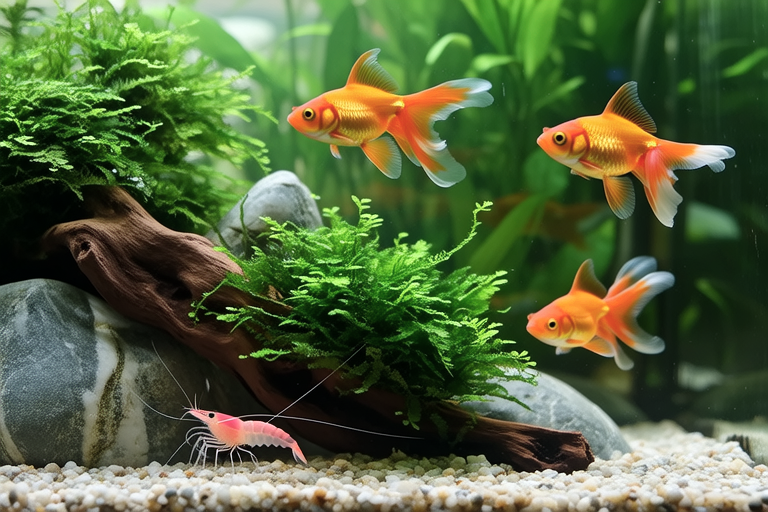
DIY Aquascape Guide for a Vibrant Goldfish Habitat
Welcome to your comprehensive guide on creating a stunning and functional aquascape for your goldfish! Whether you’re a novice or an experienced aquarist, this guide will walk you through selecting the right equipment, designing an appealing layout, and maintaining optimal conditions for your aquatic friends.
Essential Elements for a Goldfish Habitat
Substrate Selection
Selecting the right substrate is crucial for your goldfish’s health and the overall appearance of your tank. Gravel or sand are popular choices. Gravel is easier to clean but can trap uneaten food, while sand prevents food from sinking into the substrate, making it ideal for bottom-feeding fish. Ensure the substrate is smooth and free from sharp edges to avoid injuries.
Filtration Systems
A good filtration system is vital for maintaining water quality. Choose a filter that provides mechanical, biological, and chemical filtration. Mechanical filtration removes debris, biological filtration breaks down harmful ammonia and nitrites, and chemical filtration helps absorb dissolved organic compounds. Consider filters with adjustable flow rates to prevent strong currents that stress goldfish.
Lighting Requirements
Goldfish require about 8-12 hours of light per day. Use LED lights that mimic natural daylight, which promotes healthy growth in plants and enhances the tank’s visual appeal. Avoid overly bright lights that can cause algae growth. Timers help maintain consistent lighting schedules.
Water Parameters
Keep the temperature between 68°F and 74°F (20°C – 23°C), pH around 6.5 to 8.0, and hardness between 5 and 19 dGH. Regularly test these parameters and perform partial water changes to ensure stable conditions.
Plant Options for Goldfish Tanks
Benefits of Plants
Plants offer numerous benefits, including oxygenating the water, absorbing nutrients, and providing hiding spots. They also enhance the tank’s aesthetic appeal and encourage natural behaviors in goldfish.
Suitable Plant Options
- Ceratophyllum demersum (Hornwort): Easy to grow and maintain, floating or submerged. Provides excellent hiding places.
- Hygrophila polysperma (Water Wisteria): Fast-growing, hardy plant that thrives in various lighting conditions.
- Egeria densa (Anacharis): Excellent oxygenator, easy to trim and propagate.
- Vallisneria spiralis (Eelgrass): Great for background planting, grows tall and forms dense stands.
When selecting plants, consider factors such as growth rate, lighting requirements, and compatibility with goldfish. Avoid plants with soft leaves, as goldfish may nibble on them.
Arranging Decor and Hardscape Items
Step-by-Step Instructions
- Plan the Layout: Sketch your design before adding any items to the tank. Consider the height, width, and depth of the tank to create a balanced and aesthetically pleasing arrangement.
- Add Substrate: Rinse the substrate thoroughly to remove dust and debris. Add a layer of substrate, ensuring it covers the entire bottom of the tank evenly.
- Place Decor and Hardscape: Position rocks, driftwood, and other decorations to create hiding spots and swimming areas. Arrange items in a way that mimics natural habitats, avoiding sharp edges that could injure your fish.
- Install Hardscape Features: Incorporate features like caves, tunnels, or bridges to add complexity and interest to the tank. These structures provide additional hiding spots and enrich the environment for your goldfish.
- Plant the Tank: Carefully place plants in designated areas, ensuring they have enough space to grow. Secure taller plants at the back and shorter ones towards the front for better visibility.
- Final Touches: Add any remaining decorations or ornaments to complete the scene. Ensure everything is securely placed and stable to prevent accidental movement or damage.
Remember, the goal is to create a harmonious and functional environment that meets your goldfish’s needs while enhancing the visual appeal of your tank.
Maintaining Water Quality and Tank Maintenance Routines
Water Quality Management
Regular testing and monitoring of water parameters are essential for maintaining a healthy environment. Test for pH, ammonia, nitrite, and nitrate levels weekly, and adjust as needed. Perform partial water changes every 1-2 weeks, replacing approximately 10-20% of the total volume.
Tank Maintenance Routines
- Filter Cleaning: Clean the filter media monthly, replacing it as necessary. Be cautious not to over-clean, as beneficial bacteria reside in the filter.
- Algae Control: Remove algae manually using a scraper or sponge. Consider introducing algae-eating snails or shrimp to help control growth.
- Feeding Schedule: Feed your goldfish twice daily, offering only what they can consume within 2-3 minutes. Overfeeding leads to poor water quality and excess waste.
- Observation: Regularly observe your goldfish for signs of illness or distress. Early detection allows for prompt action, preventing potential issues.
By following these guidelines, you’ll ensure your goldfish thrive in their vibrant and well-maintained habitat.
Conclusion
Creating a beautiful and functional aquascape for your goldfish is an enjoyable and rewarding experience. By carefully selecting substrates, filtration systems, lighting, and plants, and by arranging decor and hardscape items thoughtfully, you can design a stunning underwater world. Maintaining water quality and adhering to regular maintenance routines will keep your goldfish healthy and happy. Enjoy the process and the joy your vibrant goldfish habitat brings to your home.
