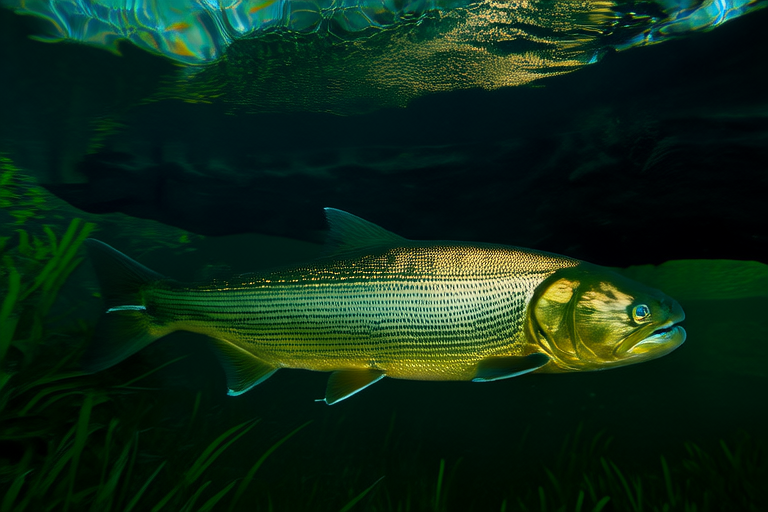
Unraveling the Mystique of the Exotic Arowana
The arowana, a species of freshwater bony fish, has captivated the hearts and minds of people for centuries. Known for its striking appearance and significant cultural symbolism, this fish is a true marvel of nature. Its unique features and rich history make it one of the most sought-after species in the aquarium world. Let us delve into the fascinating world of the arowana, exploring its origins, characteristics, and the challenges faced in maintaining this majestic creature.
Ancient Myths and Beliefs
The arowana holds a special place in the mythology and folklore of several cultures. In Chinese culture, it is often referred to as the dragonfish, symbolizing good fortune and prosperity. It is believed that owning an arowana brings wealth and success to its keeper. Similarly, in Malaysian and Indonesian folklore, the arowana is associated with the mythical Naga, a powerful serpent-like creature. These myths have contributed significantly to the arowana’s mystique and allure.
Habitat and Distribution
Native to Southeast Asia, South America, and parts of Africa, the arowana thrives in warm, tropical waters. It prefers slow-moving rivers, swamps, and flooded forests where it can find ample cover and food. The species exhibits a preference for areas with dense vegetation and submerged roots, providing protection from predators and ample hunting grounds for prey. The diverse habitats ensure that arowanas adapt well to various conditions, making them resilient in the wild.
Dietary Habits and Breeding Behaviors
Arowanas are carnivorous, feeding primarily on smaller fish, insects, and crustaceans. Their diet is varied, depending on their habitat and the availability of prey. This adaptability contributes to their survival in the wild. Interestingly, arowanas exhibit paternal mouthbrooding behavior. After mating, the male carries the eggs in his mouth until they hatch, ensuring the safety of the offspring. This unique parental care mechanism showcases the arowana’s complex social structures and evolutionary adaptations.
Physical Attributes
Scientifically, the arowana is characterized by its elongated body, robust scales, and strong dorsal and anal fins. These scales are not only protective but also highly reflective, giving the fish a shimmering appearance. The scales’ intricate structure provides excellent defense against predators while also contributing to the fish’s agility. The dorsal and anal fins are crucial for maneuverability, allowing the arowana to navigate through dense aquatic environments efficiently.
Prized Aquarium Fish
The arowana’s distinct appearance and cultural significance have made it one of the most coveted aquarium fish. Its vibrant colors and graceful movements make it a centerpiece in any tank. However, maintaining an arowana requires extensive knowledge and commitment. Proper care includes providing a spacious tank, a balanced diet, and regular water maintenance. The fish’s large size and high metabolic rate necessitate a well-equipped environment to ensure optimal health.
Misconceptions and Care Tips
One common misconception is that arowanas are aggressive and unsuitable for community tanks. While they are territorial, they can coexist peacefully with similarly sized, non-aggressive fish. Another myth is that arowanas require minimal care due to their hardiness. In reality, these fish demand specific environmental conditions and regular monitoring. Prospective owners must research thoroughly before acquiring an arowana to avoid disappointment and ensure the fish’s well-being.
For those interested in keeping an arowana, it is essential to invest in a suitably sized tank. A minimum of 150 gallons is recommended for a single adult arowana. Water quality is paramount, requiring frequent testing and adjustments. A stable temperature between 78-84°F (25-29°C) and a pH level around 6.5-7.5 are ideal. Additionally, providing ample hiding spots and ensuring a varied diet will contribute to the fish’s overall health.
Conservation Efforts
The increasing demand for arowanas in the exotic pet trade has raised concerns about their conservation. Overfishing and habitat destruction pose significant threats to wild populations. Consequently, many countries have implemented regulations to protect these fish. Sustainable breeding programs and responsible purchasing practices are vital in preserving the species. By supporting ethical breeders and advocating for stricter regulations, we can ensure the survival of the arowana for future generations.
In conclusion, the arowana is a fascinating creature with a rich history and cultural significance. Its unique appearance, dietary habits, and breeding behaviors make it an intriguing subject for study and admiration. While keeping an arowana as a pet requires dedication and expertise, the rewards are immense. By understanding the needs of these magnificent fish and participating in conservation efforts, we can enjoy their beauty and continue to learn from their remarkable adaptations. Let us cherish and protect the arowana, a true gem of the aquatic world.
