Why Everyone’s Obsessed with the Splendid Japalure – It’s Not Just About Looks!
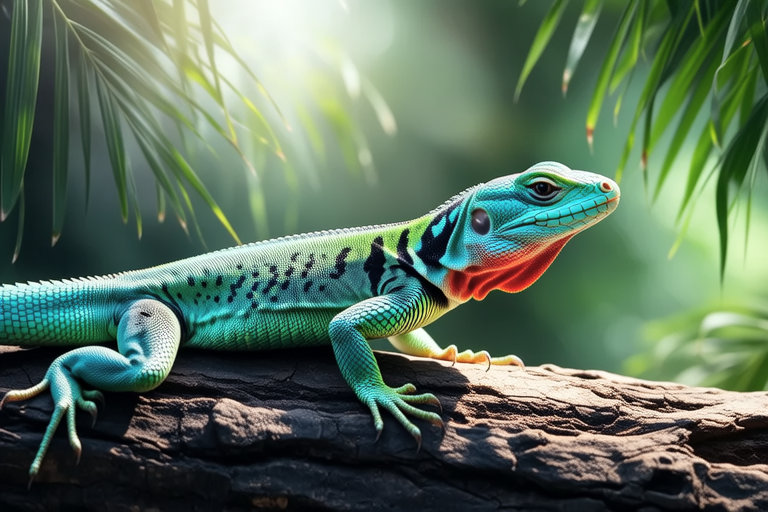
Imagine a lizard so vividly colored it looks like someone painted a rainbow onto its skin—electric blue, fiery orange, and shimmering green all swirling together in perfect harmony. That’s the Splendid Japalure (Japalura splendida), a small but mesmerizing reptile that has taken the exotic pet world by storm. With its dazzling hues and dynamic presence, it’s easy to see why this creature is trending on social media, featured in viral videos, and adored by reptile enthusiasts worldwide. But here’s the twist: while its appearance is undeniably stunning, the real magic lies far beyond the surface.
The Hidden World of the Splendid Japalure
Native to the lush, misty rainforests of Papua New Guinea, particularly in the highland regions of the eastern provinces, the Splendid Japalure thrives in humid, forested environments where vines, tree trunks, and dense foliage create a natural labyrinth. Unlike many lizards that prefer open ground or rocky outcrops, this species is arboreal—meaning it spends most of its life climbing trees and navigating the canopy. Its long, slender limbs and strong claws are perfectly adapted for gripping bark and moving through complex vertical habitats.
Geographically, it’s confined to a relatively narrow range, which makes its survival sensitive to environmental changes. This limited distribution also adds to its mystique—few people have seen one in the wild, and even fewer have studied it closely. Yet, despite its elusive nature, scientists have begun to uncover fascinating insights into its role within the ecosystem.
More Than a Pretty Lizard: Behavior and Survival Tactics
One of the most captivating aspects of the Splendid Japalure is its behavior. When threatened, it doesn’t flee immediately. Instead, it often freezes—blending seamlessly into the bark or leaf litter with its cryptic patterns. If the threat persists, it unleashes a startling display: inflating its throat, flashing its bright underbelly, and sometimes even leaping from a branch with a sudden burst of movement. This dramatic “startle response” can confuse predators long enough for escape.
It’s also an agile climber with a unique adaptation: its ability to glide short distances. While not a true flying dragon (like Draco spp.), the Splendid Japalure uses its elongated ribs to support skin flaps—called patagia—that act like miniature parachutes. These allow it to make controlled descents between trees, reducing the risk of injury and helping it navigate its treetop domain efficiently.
As for diet, this lizard is primarily insectivorous. It feeds on a variety of small invertebrates—flies, ants, beetles, and spiders—using its quick, precise tongue to snatch prey mid-air. In captivity, they thrive on a diet of crickets, mealworms, and roaches, supplemented with calcium and vitamins to mimic their natural nutritional intake.
Reproduction and Life Cycle: A Quiet, Determined Process
Despite being visually flamboyant, the Splendid Japalure leads a surprisingly low-key reproductive life. Males do not engage in elaborate courtship dances or vocal displays. Instead, mating is brief and efficient. After a successful pairing, the female lays a clutch of 2–4 eggs in a moist, sheltered spot—often beneath logs or in leaf litter. She then leaves them to develop independently, relying on environmental conditions rather than parental care.
The incubation period lasts around 60 to 80 days, depending on temperature and humidity. Hatchlings emerge fully independent, already equipped with the vibrant colors that will mark them as adults. Their growth is relatively rapid, and they reach maturity in about 12–18 months. This swift development cycle contributes to their resilience—but also makes them vulnerable if habitat loss disrupts breeding cycles.
Debunking Myths: What You Need to Know Before Owning One
With rising popularity comes misinformation. Many believe the Splendid Japalure is aggressive, hard to care for, or unsuitable for beginners. While it’s true that this species requires specific conditions, it’s not inherently difficult—provided owners understand its needs.
- Humidity & Temperature: They need a consistently warm environment (around 75–85°F) with high humidity (60–80%). Mist systems or automated foggers help maintain moisture levels.
- Enclosure Design: A vertical terrarium with plenty of climbing structures—vines, branches, cork bark—is essential. They’re active climbers and need space to explore.
- Lighting: UVB lighting is crucial for vitamin D synthesis and overall health. A full-spectrum bulb should be used daily.
- Diet & Hydration: Fresh water should be available at all times. Feed juveniles every day; adults every other day. Dust food with supplements as needed.
Many new owners underestimate the importance of consistency and observation. Small changes in temperature, humidity, or feeding schedules can lead to stress or illness. But with patience and research, these lizards can live 8–10 years in captivity—some even longer.
Wild Capture vs. Captive Breeding: The Ethical Choice
This is where things get serious. The Splendid Japalure’s surge in popularity has sparked concern among conservationists. Wild populations are under pressure due to increased demand from collectors. While some countries regulate exports, illegal capture still occurs—often leading to high mortality during transport and poor survival rates in homes unprepared for proper care.
Responsible ownership means choosing captive-bred individuals whenever possible. Reputable breeders prioritize animal welfare, genetic diversity, and sustainable practices. By supporting captive breeding, you help reduce the strain on wild populations and discourage unethical collection methods.
Moreover, captive-bred specimens tend to be healthier, more adaptable, and less stressed than wild-caught ones. They’re often more interactive and easier to feed—making them ideal companions for experienced hobbyists who value both beauty and ethics.
More Than a Pet: A Symbol of Biodiversity and Awareness
The Splendid Japalure represents something bigger than just a trendy reptile. It’s a reminder of the incredible diversity hidden in Earth’s tropical forests—species that exist in quiet corners, playing vital roles in ecosystems we barely understand.
When we admire this lizard, we’re not just appreciating its colors. We’re witnessing the result of millions of years of evolution—adaptations to survive in a complex, ever-changing world. It inspires curiosity, drives scientific study, and fosters a deeper connection to nature.
For many, keeping a Splendid Japalure isn’t about collecting exotic animals—it’s about stewardship. It’s about learning, sharing knowledge, and advocating for conservation. It’s about recognizing that beauty in nature isn’t just decorative; it’s a call to protect.
In a world increasingly dominated by mass-produced trends, the Splendid Japalure stands out—not just for its appearance, but for the story it tells. It’s a symbol of biodiversity, resilience, and the quiet power of lesser-known species to inspire change.
So next time you see a video of this vibrant little lizard leaping between branches, don’t just marvel at its beauty. Think about where it came from, how it lives, and what it represents. Because behind every dazzling scale lies a universe of ecological significance—and a responsibility we must honor.
