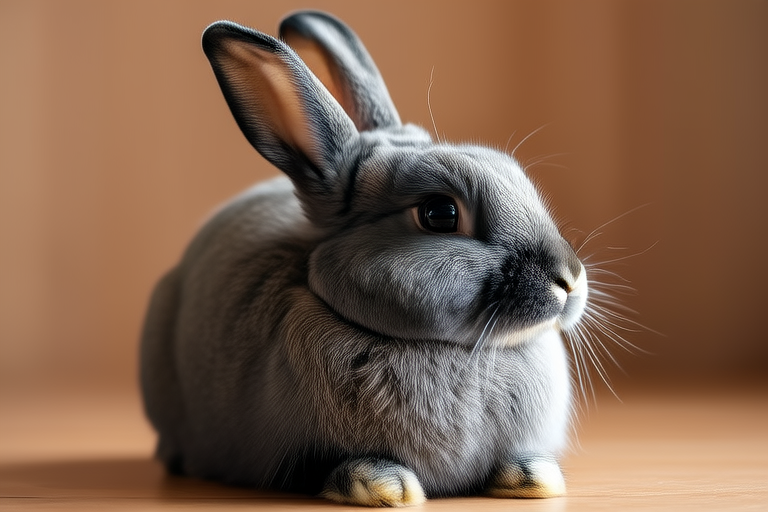
Unraveling the Charms of the Lop Rabbit: The Perfect Pet for Your Home
Welcome to the enchanting world of lop rabbits! Known for their floppy ears and gentle demeanor, these rabbits are increasingly becoming popular as pets. Their charming appearance and friendly nature make them an ideal companion for families, children, and first-time pet owners alike. In this article, we will explore the unique characteristics of lop rabbits, their care requirements, common health issues, and the special bond that can be formed with these delightful creatures.
The Unique Characteristics and Charm of Lop Rabbits
Lop rabbits are easily recognizable by their signature long, floppy ears that hang down from their heads. This characteristic gives them a distinct and endearing appearance. There are several breeds of lop rabbits, each with its own unique features. For example, the English Lop has the longest ears, while the Holland Lop is the smallest among the lop breeds. Their soft, plush coats come in various colors, adding to their appeal.
One of the most appealing aspects of lop rabbits is their gentle and affectionate nature. They are known to be calm and docile, making them excellent pets for children and those who prefer a laid-back companion. Unlike some other breeds, lop rabbits are generally not aggressive and are less likely to bite or scratch. Their peaceful temperament makes them a joy to interact with, and they often enjoy being cuddled and handled.
Care Requirements for Lop Rabbits
Diet
Proper nutrition is crucial for the health and well-being of your lop rabbit. A balanced diet primarily consists of hay, which should make up the majority of their daily intake. Fresh grass hay, such as timothy hay, provides essential fiber necessary for digestive health. Additionally, a small amount of pellets formulated for rabbits should be provided daily. It’s important to choose high-quality pellets that are free from artificial additives.
Fresh vegetables and fruits can be given in moderation as treats. Good choices include leafy greens like romaine lettuce, kale, and spinach. Avoid feeding your rabbit foods high in sugar or starch, such as carrots or apples, as these can lead to obesity and dental problems. Always introduce new foods gradually to monitor for any adverse reactions.
Housing
Adequate housing is essential for keeping your lop rabbit comfortable and safe. The cage should be spacious enough for your rabbit to move around freely, stretch out, and stand on its hind legs without touching the top of the enclosure. Wire-bottom cages are not recommended as they can cause foot injuries. Instead, opt for solid flooring or provide a resting area with a soft bed.
Ensure the living space is clean and well-ventilated. Use bedding made of absorbent materials like paper-based products or straw. Clean the cage regularly to prevent the buildup of ammonia, which can irritate your rabbit’s respiratory system. Providing toys and tunnels can help stimulate your rabbit’s natural curiosity and prevent boredom.
Exercise
Rabbits are active animals that require regular exercise to maintain their physical and mental health. Allow your lop rabbit supervised time outside of its cage in a safe, enclosed area where it can hop and explore. This helps prevent obesity and strengthens muscles. Be sure to remove any potential hazards, such as electrical cords or toxic plants, from the play area.
In addition to physical activity, mental stimulation is vital. Provide toys that encourage chewing and digging, such as cardboard boxes or wooden chew toys. Rotate toys periodically to keep your rabbit engaged and entertained.
Common Health Issues and Prevention
Like all pets, lop rabbits are susceptible to certain health issues. One of the most common problems is dental disease, which can occur if their diet lacks sufficient roughage. Regularly check your rabbit’s teeth and consult a veterinarian if you notice signs of drooling, difficulty eating, or weight loss. Providing plenty of hay and monitoring their diet can help prevent dental issues.
Gastrointestinal stasis is another serious condition that affects rabbits. It occurs when the digestive tract slows down or stops moving, leading to pain and discomfort. Ensuring a balanced diet rich in fiber, along with regular exercise, can reduce the risk of this condition. Always observe your rabbit’s eating habits and seek veterinary care if there are any changes in appetite or stool consistency.
Milky spots on the skin, also known as papillomas, are another concern for lop rabbits. These growths are usually benign but can become uncomfortable or infected. Keep an eye on any unusual skin changes and consult your vet for proper treatment.
Bonding with Your Lop Rabbit
Building a strong bond with your lop rabbit requires patience, consistency, and positive reinforcement. Spend quality time with your rabbit daily, offering gentle handling and attention. Use treats as rewards during training sessions to encourage good behavior. Lop rabbits are intelligent and can learn simple commands, such as coming when called or sitting on command.
Training your rabbit can strengthen the bond between you and your pet. Start by teaching basic commands using clicker training techniques. Clicker training involves associating a clicking sound with a treat, reinforcing desired behaviors. With consistent practice, your rabbit will learn to associate the click with positive outcomes, making training sessions enjoyable for both of you.
Understanding your rabbit’s body language is key to forming a close relationship. Rabbits communicate through subtle cues, such as ear positions, tail movements, and vocalizations. Pay attention to these signals to better understand your rabbit’s mood and needs. By building trust and respect, you can create a loving and rewarding partnership with your lop rabbit.
Adopting from Shelters or Reputable Breeders
When considering bringing a lop rabbit into your home, it’s important to adopt responsibly. If you’re interested in a specific breed, research reputable breeders who prioritize the health and well-being of their rabbits. Look for breeders who provide detailed information about the lineage and health history of their rabbits. Visit the breeding facility to ensure it meets your standards for cleanliness and animal welfare.
Alternatively, adopting from a shelter or rescue organization is a compassionate choice that can benefit both you and the rabbit. Many shelters have rabbits available for adoption, including lop breeds. By giving a rescued rabbit a second chance at a loving home, you’re helping to reduce overcrowding in shelters and providing a deserving pet with a forever home.
No matter where you choose to adopt your lop rabbit, always be prepared to commit to their long-term care. Rabbits can live 8 to 12 years, so it’s important to consider the time and resources required to properly care for them. Responsible pet ownership includes providing a safe, healthy environment, regular veterinary care, and plenty of love and attention.
In conclusion, lop rabbits are charming, gentle companions that bring joy and companionship to many homes. With their unique appearance, affectionate nature, and intelligence, they make wonderful pets for those willing to meet their care needs. By understanding their dietary requirements, housing preferences, and health concerns, you can ensure a happy and healthy life for your lop rabbit. Forming a strong bond with your rabbit through positive interactions and training can lead to a rewarding and fulfilling relationship. Adopting from shelters or reputable breeders is a responsible way to bring a lop rabbit into your family, ensuring that you’re providing a loving home for a deserving pet.
