From Hairy Legs to Gentle Giants: All You Need to Know About Chilean Rose Tarantulas
The world of exotic pets is vast and varied, but one creature that has captured the hearts of many enthusiasts is the Chilean rose tarantula (Grammostola rosea). These spiders, known for their vibrant pinkish-red coloration and gentle demeanor, are among the most popular choices for first-time arachnid owners. With their unique characteristics and relatively low maintenance requirements, Chilean rose tarantulas offer an intriguing glimpse into the fascinating world of arachnids.
Introduction: Unique Characteristics of Chilean Rose Tarantulas
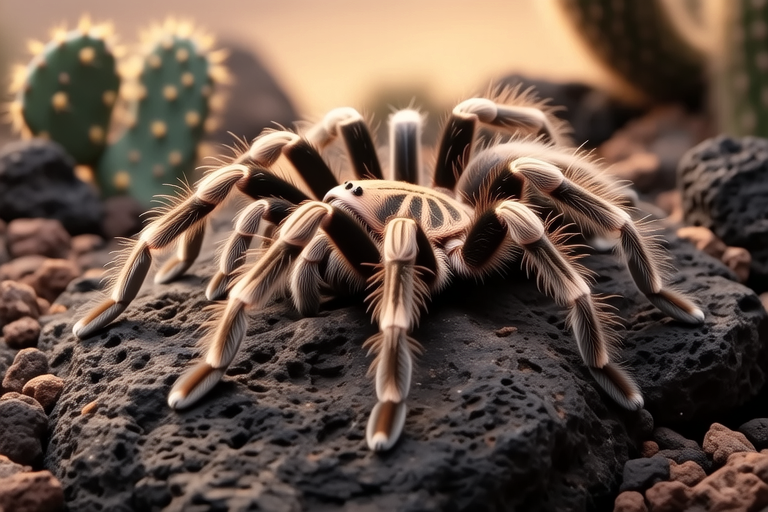
Chilean rose tarantulas stand out from other tarantulas due to their distinctive appearance and behavior. They are medium-sized spiders, typically reaching lengths of around 3 to 4 inches, with long, hairy legs that give them their characteristic ‘furry’ look. Their body color ranges from a light brown to a deep red, often with subtle hints of pink, which is where they get their name. One of the most striking features of these spiders is their ability to change color slightly depending on their mood or environment. When threatened, they can darken to blend in with their surroundings, while in calm states, they may appear lighter.
Appearance, Habitat, and Diet
Chilean rose tarantulas have a robust build, with thick legs and a round abdomen. The hairs covering their bodies serve multiple purposes, including sensory functions and defense mechanisms. These hairs can be ejected as a form of protection when the spider feels threatened. In terms of habitat, they are native to the deserts and scrublands of South America, particularly in Chile, Argentina, and Peru. They thrive in warm, dry conditions, making them well-suited for life in captivity.
As for their diet, Chilean rose tarantulas are carnivorous, feeding primarily on insects such as crickets, mealworms, and occasionally small mice. In the wild, they are opportunistic hunters, relying on their excellent senses to locate prey. In captivity, it’s important to provide a varied diet to ensure proper nutrition and overall health.
Temperament and Popularity Among Exotic Pet Enthusiasts
One of the reasons why Chilean rose tarantulas are so popular among exotic pet enthusiasts is their generally docile nature. Unlike some other tarantulas, which can be more aggressive, Chilean roses tend to be calm and easygoing. This makes them ideal for beginners who are new to keeping spiders as pets. However, it’s crucial to remember that even though they are gentle, they should still be handled with care and respect.
Another factor contributing to their popularity is their manageable size and relatively simple care requirements. They don’t require large enclosures or complex setups, making them accessible for those who may not have extensive experience with exotic animals.
Care Tips for Owners
Housing
Proper housing is essential for the well-being of your Chilean rose tarantula. A glass or plastic tank with a secure lid is recommended, ensuring that the spider cannot escape. The enclosure should be spacious enough to allow the spider to move freely and have room for climbing structures. A substrate of coconut fiber or a mix of peat moss and sand works well, providing a natural environment for burrowing and maintaining humidity levels.
Temperature and humidity are also critical factors. Maintain a temperature range between 78°F and 85°F (26°C to 29°C) and keep humidity at about 50-70%. Regular misting can help maintain appropriate moisture levels.
Feeding
Feeding your Chilean rose tarantula is straightforward but requires attention to detail. Offer live insects every 7-10 days, ensuring they are appropriately sized for the spider. Gut-loading the feeder insects with nutritious food before offering them to your tarantula can enhance its diet. Avoid overfeeding, as this can lead to obesity and health issues.
Handling
While Chilean rose tarantulas are generally docile, they should not be handled frequently. Handling can cause stress and potentially harm the spider if done incorrectly. If you do need to handle your tarantula, use a soft brush or tongs to gently coax it out of its enclosure. Always support the spider’s body to avoid injuring its legs or abdomen.
Common Health Issues and Prevention
Like any pet, Chilean rose tarantulas can face health challenges. Common issues include dehydration, mites, and molting problems. Dehydration can occur if the enclosure’s humidity is too low, leading to issues like difficulty shedding or respiratory problems. Mites can infest the enclosure, causing irritation and stress for the spider. Regular cleaning and monitoring of environmental conditions can help prevent these issues.
Molting is a natural process during which the tarantula sheds its exoskeleton. It’s important to ensure the spider has the right conditions to molt successfully. Providing a shallow water dish and a humid hide box can assist in this process. During molting, avoid disturbing the spider until it has fully shed its old exoskeleton and absorbed it.
Where to Responsibly Acquire a Chilean Rose Tarantula and Resources for Further Learning
If you’re considering adding a Chilean rose tarantula to your family, it’s important to source them responsibly. Look for reputable breeders who prioritize the welfare of their animals and adhere to ethical breeding practices. Many local reptile expos or specialized pet stores can be good places to find healthy, well-cared-for spiders.
To deepen your knowledge about these fascinating creatures, consider joining online forums and communities dedicated to tarantula enthusiasts. Books and articles written by experienced keepers can also provide valuable insights into the care and handling of Chilean rose tarantulas. Additionally, consulting with a veterinarian specializing in exotic pets can offer professional guidance tailored to your specific needs.
