Why You’ll Fall in Love with the Playful and Intelligent Turkish Angora
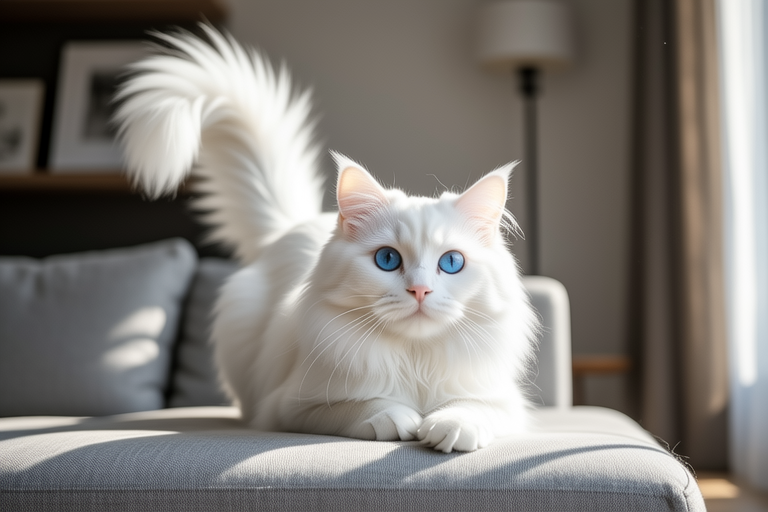
The Turkish Angora, with its striking appearance and captivating personality, is a breed that has captured the hearts of many cat enthusiasts. Known for their elegant white coats and expressive blue eyes, these cats have a rich history and unique traits that set them apart from other breeds. This article will delve into the history, physical characteristics, playful behavior, intelligence, adaptability, grooming needs, health considerations, and their interaction with families and other pets, providing a comprehensive guide for those considering adding a Turkish Angora to their family.
A Brief History of the Turkish Angora
The Turkish Angora has been around for centuries, with evidence of their existence dating back to ancient times. They were highly prized by Turkish royalty, often being kept as companions in palaces. The breed’s name originates from Ankara (formerly Angora), the capital of Turkey, where they were first discovered. These cats were brought to the United States in the mid-20th century and have since become popular among cat lovers worldwide. Their royal lineage and historical significance make them a fascinating choice for anyone interested in owning a pedigreed cat with a storied past.
Physical Characteristics
One of the most striking features of the Turkish Angora is their sleek, semi-long coat that requires minimal grooming. Despite their fluffy appearance, their fur is surprisingly lightweight, making them feel almost weightless when held. Their coats come in a variety of colors, though white is the most common and sought-after color due to its association with elegance and grace. Their large, pointed ears and long, slender bodies give them an almost ethereal appearance, perfectly complemented by their piercing blue eyes.
Playful Behavior
Turkish Angoras are known for their playful and energetic nature. They love to engage in interactive play, often chasing after toys and climbing to high places to survey their surroundings. One memorable experience was watching my Turkish Angora, Luna, leap onto a bookshelf to catch a dangling feather toy. Her agility and determination were impressive, showcasing her natural hunting instincts. Their playful demeanor makes them excellent companions for families with children, as they enjoy games and activities that keep them entertained and stimulated.
Intelligence
Beyond their playful antics, Turkish Angoras are also incredibly intelligent. They can be trained to perform tricks and respond to commands, much like dogs. For instance, my Turkish Angora, Max, learned to sit on command and even shake hands for treats. Their intelligence extends to problem-solving, as they are adept at figuring out how to open doors and cabinets. This level of cognitive ability means they require mental stimulation to stay happy and healthy, so providing puzzle toys and interactive games is essential.
Adaptability
Despite their delicate appearance, Turkish Angoras are quite adaptable to different environments. Whether living in a bustling city apartment or a quiet countryside home, they thrive in various settings. Their adaptability also extends to their relationships with other pets. Many Turkish Angoras get along well with other cats and dogs, provided they are introduced properly. In my household, my Turkish Angora, Bella, coexists peacefully with two dogs, demonstrating her ability to integrate into diverse pet communities.
Grooming Needs
While their luxurious coats may seem high-maintenance, Turkish Angoras actually require minimal grooming. Their semi-long hair is relatively easy to maintain, and regular brushing once or twice a week is usually sufficient to prevent matting. Bathing is rarely necessary unless the cat gets particularly dirty. Their self-grooming habits mean they spend a lot of time cleaning themselves, further reducing the need for frequent baths. However, it’s important to monitor their dental hygiene, as all cats are prone to dental issues.
Health Considerations
Like any breed, Turkish Angoras have specific health considerations. They are generally healthy cats but are prone to certain genetic conditions, such as hypertrophic cardiomyopathy (HCM), a heart disease. Regular veterinary check-ups are crucial to monitor their health and catch any potential issues early. Providing a balanced diet and maintaining a healthy weight are also key to preventing obesity-related health problems. Ensuring they have plenty of exercise and mental stimulation can help keep them fit and active.
Interaction with Families and Other Pets
Turkish Angoras are affectionate and social, making them wonderful companions for families. They enjoy spending time with their human family members and often follow them around the house, seeking attention and companionship. Their sociable nature also makes them great with children, as they are patient and tolerant of the occasional roughhousing. When introducing a Turkish Angora to a new home, it’s important to provide a safe space where they can acclimate to their new environment and meet other pets gradually.
Conclusion
The Turkish Angora is a breed that combines elegance, intelligence, and playfulness, making them an ideal companion for those looking for a loving and engaging feline friend. From their rich history to their adaptable and affectionate nature, there are countless reasons to fall in love with this remarkable breed. If you’re considering adopting a Turkish Angora, be prepared for a lifelong friendship filled with joy, laughter, and endless entertainment. With proper care and attention, your Turkish Angora will bring years of happiness and companionship to your life.
