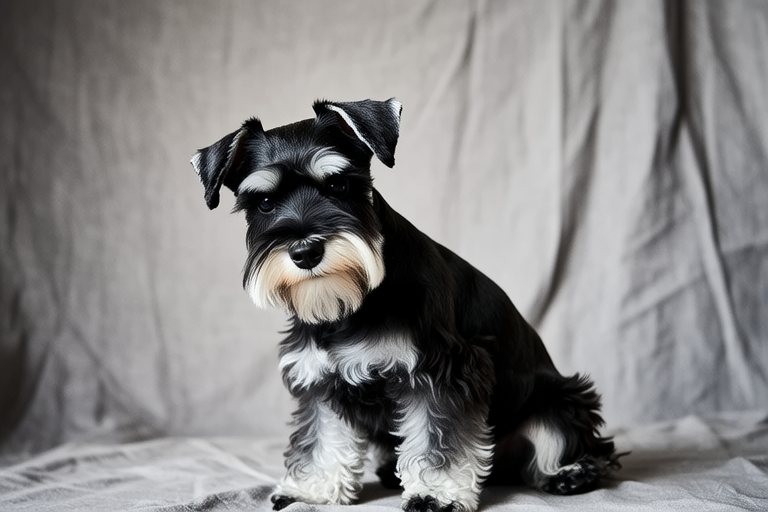
Everything You Need to Know Before Adopting a Schnauzer Puppy
Adopting a puppy can be one of the most exciting and rewarding experiences for a family. If you’re considering bringing a Schnauzer into your life, this comprehensive guide will help you understand what it takes to care for one of these lovable, intelligent, and energetic dogs.
Breed Characteristics
The Schnauzer comes in three sizes: Standard, Miniature, and Giant. Each variety has distinct features but shares some common traits that make them unique. Known for their distinctive beards and eyebrows, Schnauzers have a wiry coat that requires regular grooming. They are medium-sized dogs with a sturdy build, and their intelligence is reflected in their alert and curious expressions.
Experts suggest that Schnauzers are highly adaptable, making them suitable for various living environments, from apartments to spacious homes. Their strong bond with humans makes them loyal companions, but they also retain a sense of independence, which can be both charming and challenging.
Temperament
Schnauzers are generally friendly and affectionate towards their families. They are known for being protective and alert, qualities that make them excellent watchdogs. However, they can sometimes be wary of strangers, so early socialization is crucial. Schnauzers thrive on interaction and love to be part of family activities.
Real-life example: Sarah, a Schnauzer owner, shares, “My dog, Max, loves to follow me around the house. He’s always checking in to see if I need anything, and he’s great with kids. But when someone new visits, he’ll bark until he’s sure they’re safe.”
Exercise Needs
Schnauzers are active dogs that require daily exercise to stay healthy and happy. A good walk or playtime in the park is essential, especially for larger breeds like the Standard Schnauzer. Regular physical activity helps prevent behavioral problems such as excessive barking or chewing.
Expert opinion: Dr. Emily Carter, a veterinarian specializing in canine behavior, advises, “Schnauzers are naturally energetic, and without adequate exercise, they can become restless. Aim for at least 30 minutes of brisk walking or running each day.”
Grooming Requirements
Despite their short stature, Schnauzers have a high-maintenance coat. Their wiry fur needs regular brushing and professional clipping every few months. It’s important to start grooming your puppy early to get them used to the process. Additionally, Schnauzers require frequent ear cleaning and nail trimming.
Tip: Use a slicker brush for brushing your Schnauzer’s coat. This tool is effective for removing loose hair and preventing matting. Professional groomers recommend brushing your Schnauzer twice a week.
Dietary Considerations
A balanced diet is crucial for maintaining a Schnauzer’s health. Choose high-quality dog food that meets the nutritional needs of your pet. Consult with your veterinarian about specific dietary requirements based on your dog’s age, size, and activity level. Schnauzers can be prone to obesity, so portion control is important.
Real-life example: John, a Schnauzer owner, says, “I switched my Schnauzer, Bella, to a high-protein, low-carb diet after noticing she was gaining weight. She lost the extra pounds and became more energetic.”
Health Issues Common to the Breed
Like all breeds, Schnauzers are susceptible to certain health conditions. Some common issues include hip dysplasia, luxating patellas, and urinary stones. Regular veterinary check-ups are vital for early detection and management of these conditions. Providing a healthy lifestyle, including proper nutrition and exercise, can help minimize the risk.
Expert advice: Dr. Carter recommends, “Annual wellness exams are essential. Early intervention can prevent many health issues from becoming serious.”
Training Tips
Schnauzers are intelligent and eager to please, making them quick learners. Positive reinforcement techniques, such as treats and praise, work best for training. Start training your puppy early to establish good habits. Consistency is key in teaching commands and correcting unwanted behaviors.
Real-life example: Maria, a first-time Schnauzer owner, says, “Training my Schnauzer, Charlie, was easier than expected. We used treats and lots of praise, and he learned basic commands quickly.”
Integrating a Schnauzer Puppy into a Family Home
Bringing a new puppy into your home requires preparation. Create a comfortable space for your Schnauzer with a cozy bed, water bowl, and toys. Introduce your puppy gradually to other pets and children in the household. Establish routines for feeding, exercise, and potty breaks to ensure a smooth transition.
Expert opinion: Dr. Carter advises, “Consistency in routine helps puppies feel secure. Be patient and give them time to adjust to their new environment.”
In conclusion, adopting a Schnauzer puppy is a significant commitment that brings immense joy and companionship. By understanding their breed characteristics, temperament, exercise needs, grooming requirements, dietary considerations, potential health issues, training methods, and how to integrate them into your family, you can provide the best possible life for your new furry friend.
