Hermit Crab Myths Debunked: Separating Fact from Fiction
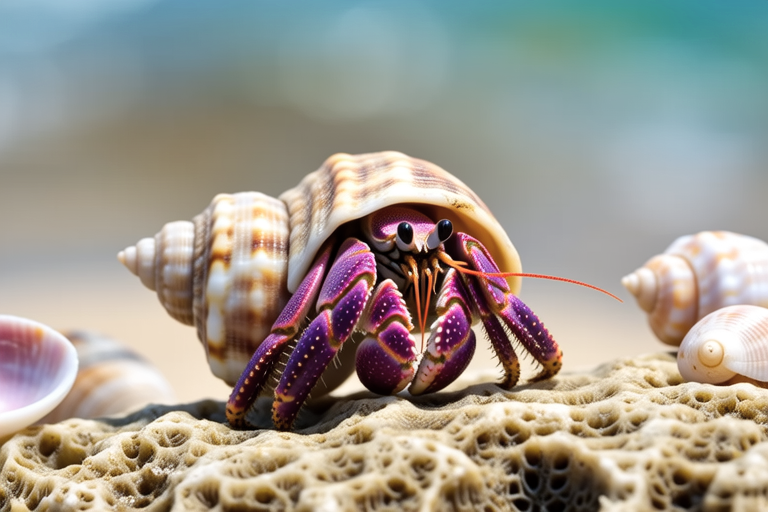
Hermit crabs are fascinating creatures known for their unique ability to recycle empty shells as mobile homes. These crustaceans belong to the superfamily Paguroidea, which comprises over 1100 species. Hermit crabs have soft, vulnerable abdomens that they protect by inhabiting discarded mollusk shells. Their mobility allows them to search for larger and more accommodating shells as they grow. Despite their popularity as pets, there are numerous misconceptions about their care, habitat, and behavior. This article aims to debunk these myths, providing accurate information to help both novice and experienced owners better understand and care for these intriguing creatures.
Myth 1: Hermit Crabs Don’t Need Salt Water
One of the most widespread myths is that hermit crabs can survive without salt water. In reality, hermit crabs require access to a shallow dish of salt water to maintain the humidity levels necessary for their respiratory system. This myth likely stems from the misconception that hermit crabs live primarily on land. While terrestrial hermit crabs can spend considerable time out of water, they still need occasional immersion in salt water to hydrate their gills. A study published in the Journal of Experimental Marine Biology and Ecology suggests that regular exposure to salt water helps hermit crabs regulate their internal moisture balance.
Myth 2: Hermit Crabs Are Low-Maintenance Pets
Another common misconception is that hermit crabs are easy to care for. In truth, these animals have specific environmental requirements that, if not met, can lead to health issues. Proper care involves maintaining optimal temperature (between 70°F and 80°F), humidity (around 70-80%), and substrate conditions. Additionally, hermit crabs need a variety of food sources, including fruits, vegetables, and proteins. Neglecting any of these factors can result in stunted growth, molting problems, and even death. The American Hermit Crab Association recommends regular monitoring and adjustments to ensure a healthy environment.
Myth 3: Hermit Crabs Can Live Without Shells
It’s often thought that hermit crabs can survive without shells. However, this is far from the truth. Hermit crabs rely on shells for protection against predators and environmental elements. Without a shell, their soft abdomen is exposed, making them highly vulnerable. Providing a variety of shells in different sizes and shapes is crucial for their well-being. Experts suggest rotating the available shells every few months to encourage natural shell changes and prevent stress.
Myth 4: Hermit Crabs Are Solitary Creatures
Contrary to popular belief, hermit crabs are social animals that thrive in groups. They are known to gather in large numbers in the wild, and in captivity, they exhibit social behaviors such as playing and exploring together. Isolating hermit crabs can lead to stress and reduced activity. Research conducted at the University of California, Berkeley, has shown that hermit crabs living in groups tend to be healthier and more active than those kept alone. Therefore, it’s advisable to house at least two hermit crabs together to promote their natural social interactions.
Myth 5: Hermit Crabs Hibernate During Molting
Many believe that hermit crabs hibernate during molting. While it’s true that hermit crabs become less active during this period, they do not enter a state of hibernation. Molting is a critical phase in their lifecycle where hermit crabs shed their exoskeleton and grow a new one. During this time, they may burrow into the substrate to protect themselves and conserve energy. It’s essential to provide a suitable hiding spot filled with moist substrate to facilitate a safe molt. Experts recommend avoiding handling or disturbing a molting hermit crab until it has fully emerged from its old shell.
Tips for Responsible Hermit Crab Ownership
Understanding the specific needs of hermit crabs is key to responsible ownership. Here are some tips to ensure your hermit crabs thrive:
- Environment: Maintain the correct temperature and humidity levels. Use a hygrometer and thermometer to monitor these conditions regularly.
- Diet: Provide a balanced diet rich in fruits, vegetables, and proteins. Avoid feeding them processed foods or foods high in sugar.
- Housing: Offer a spacious tank with plenty of hiding spots and climbing areas. Include a variety of shells and other decorations to stimulate exploration.
- Social Interaction: Keep hermit crabs in groups to promote their natural social behaviors. Observe their interactions and intervene if aggressive behavior becomes an issue.
- Molting Care: Be prepared for molting periods by providing a safe, moist hiding place. Check on them occasionally but avoid disturbing them during this sensitive time.
By adhering to these guidelines, you can create a nurturing environment that supports the physical and emotional well-being of your hermit crabs. Remember, while hermit crabs may seem simple to care for, they require attentive and knowledgeable owners to flourish. With the right care, hermit crabs can be delightful companions, offering hours of fascination and enjoyment.
