From Jungle to Home: Adapting Heterometrus spinifer as an Unconventional Pet Companion
The world of exotic pets is vast and varied, with many species offering unique companionship. Among these, the Heterometrus spinifer, commonly known as the Indian ornamental scorpion, stands out as an unconventional yet fascinating choice for dedicated pet enthusiasts. This article delves into the intricacies of caring for this remarkable creature, from its origins and physical attributes to its dietary needs and housing requirements.
Scientific and Common Names
The Heterometrus spinifer belongs to the family Scorpionidae and is one of approximately 2,000 known scorpion species. Its common name, Indian ornamental scorpion, reflects its striking appearance and native habitat. The term “ornamental” refers to the prominent spines on its tail, which give it a distinctive look.
Habitat Origins
Native to tropical regions of India, Sri Lanka, and parts of Southeast Asia, the Heterometrus spinifer
thrives in humid, warm environments. In the wild, it can be found under rocks, logs, and other natural shelters. These conditions must be replicated in captivity to ensure the well-being of the scorpion.
Unique Physical Characteristics
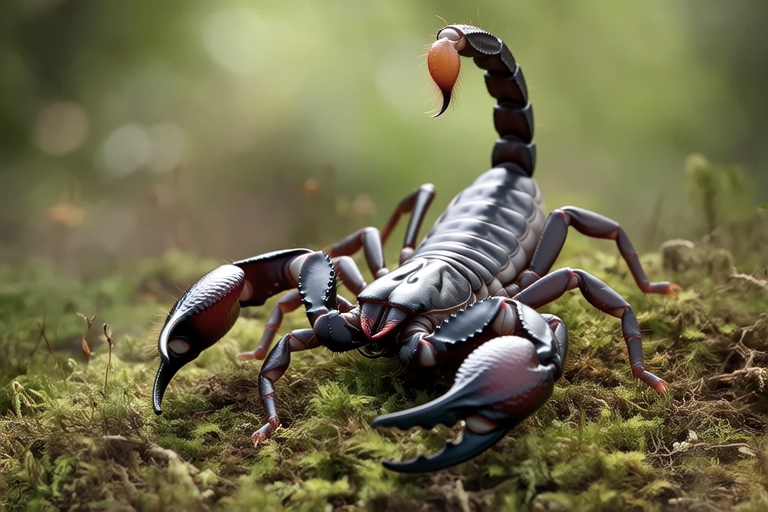
The Indian ornamental scorpion is easily recognizable by its size and coloration. Adults typically reach lengths between 8 to 12 centimeters. Their bodies are predominantly dark brown or black, with lighter yellowish bands on their legs and tail. The most notable feature is the series of spines along the tail, which serve both defensive and sensory purposes.
Dietary Needs
In the wild, Heterometrus spinifer feeds primarily on insects such as crickets, grasshoppers, and small spiders. As a pet, it requires a similar diet, though care should be taken to provide appropriately sized prey. Crickets are often the preferred food source due to their availability and nutritional value. It’s important to gut-load crickets with nutritious vegetables before feeding them to the scorpion to ensure optimal nutrition.
Housing Requirements
Adequate housing is crucial for maintaining the health and happiness of your Indian ornamental scorpion. A glass terrarium with a secure lid is recommended, ensuring that the enclosure is escape-proof while allowing for proper ventilation. The substrate should be a mix of soil and coconut fiber, providing a natural environment that retains moisture and allows for burrowing behavior. Humidity levels should be maintained at around 70-80%, which can be achieved through regular misting and the use of a water dish. Temperature should be kept between 25-30°C (77-86°F).
Handling Tips
Due to their venomous nature, handling Heterometrus spinifer requires caution and respect. Always wear thick gloves to protect yourself from potential stings. Handling should be minimized, as excessive disturbance can stress the scorpion. When necessary, gently scoop the scorpion using a wide, flat tool like a plastic spoon or a soft brush. Avoid grabbing or pinching the scorpion, as this may provoke defensive behaviors.
Potential Health Issues
Like all animals, the Indian ornamental scorpion can face various health issues. Respiratory infections are common in poorly ventilated enclosures, so ensuring proper airflow is essential. Mites and parasites can also pose a threat, especially if the substrate is not regularly changed. Regular inspection of the enclosure and prompt action if any signs of illness are observed can help maintain the scorpion’s health.
Legal Considerations for Owning
Before acquiring an Indian ornamental scorpion, it’s vital to research local laws and regulations regarding exotic pets. Some areas have strict restrictions or outright bans on certain species, including scorpions. It’s also advisable to check with local authorities about permits or licenses that may be required. Responsible ownership involves understanding and adhering to these regulations.
Personal Anecdotes or Experiences of Owners
Many owners find that caring for an Indian ornamental scorpion provides a unique and rewarding experience. One owner, Sarah, shares her story: “When I first brought my scorpion home, I was nervous about handling him. But over time, I’ve learned how to interact with him safely. Watching him hunt and interact with his environment has been fascinating. He’s become more than just a pet; he’s a part of our family.”
Responsibility and Commitment Required
Owning an Indian ornamental scorpion demands significant responsibility and commitment. It’s not a pet for everyone. Potential owners must be prepared to invest time and resources into creating a suitable environment, providing proper nutrition, and addressing any health concerns. The rewards, however, are immense. These creatures offer a window into the fascinating world of arachnids, providing endless opportunities for learning and appreciation.
Why It Makes an Unconventional Yet Rewarding Pet Companion
The Indian ornamental scorpion is indeed an unconventional pet, but its unique attributes make it a rewarding companion for those willing to take on the challenge. Its striking appearance, coupled with its relatively low maintenance requirements, offers a captivating addition to any exotic pet collection. For those who seek a pet that is both beautiful and intriguing, the Heterometrus spinifer is certainly worth considering.