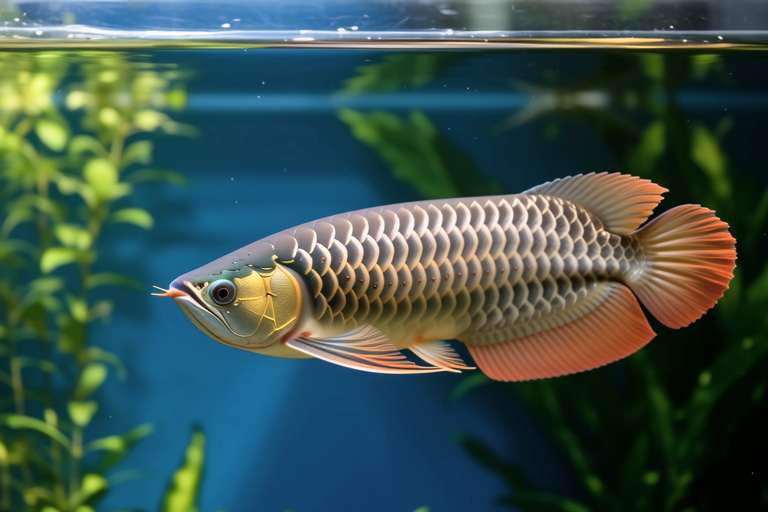
Aquarium Showstopper: How to Create the Perfect Habitat for Your Arowana
Welcome to the fascinating world of arowanas! These majestic fish are known for their sleek appearance and impressive jumping abilities. Creating an ideal habitat for your arowana requires careful planning and attention to detail. This guide will walk you through everything you need to know about setting up the perfect aquarium for these aquatic marvels.
Essential Tank Size
The first step in creating a suitable environment for your arowana is selecting the right tank size. Arowanas grow large and require ample space to thrive. For juvenile arowanas, a tank measuring at least 75 gallons is recommended. As they mature, consider upgrading to a tank that can hold between 200 and 300 gallons. The length of the tank should be at least twice the length of the adult arowana, providing plenty of room for swimming.
Water Parameters
Maintaining optimal water conditions is crucial for the well-being of your arowana. The water should be kept clean and stable with the following parameters:
- pH Level: Arowanas prefer slightly acidic to neutral water with a pH range of 6.8 to 7.2.
- Temperature: Maintain a constant temperature between 78°F and 82°F (25°C to 28°C).
- Hardness: Aim for water hardness between 5 and 15 dGH.
Regular testing of these parameters ensures your arowana remains healthy and stress-free.
Filtration Systems
An efficient filtration system is vital for keeping the water clean and free from harmful substances. Choose a high-quality filter capable of handling the volume of water in your tank. Biological, mechanical, and chemical filtration are all necessary components. Consider using a combination of external canister filters and internal powerheads to ensure adequate water circulation and oxygenation.
Lighting
Proper lighting enhances the beauty of your aquarium while promoting the growth of any live plants you may have. Use full-spectrum LED lights that provide a natural daylight effect. Arowanas are sensitive to light, so it’s important to establish a consistent day-night cycle. Aim for 10 to 12 hours of light per day, ensuring your fish have sufficient darkness for rest.
Substrate
The choice of substrate can influence water chemistry and aesthetics. Opt for a fine-grained, smooth substrate like sand or small pebbles. Avoid sharp-edged materials that could injure your arowana. Additionally, the substrate should be easy to maintain and clean.
Decor and Hiding Spots
Incorporating decor into your aquarium provides hiding spots and enriches the visual appeal. Large driftwood pieces, smooth rocks, and caves are excellent choices. Arrange these items to create natural-looking hideaways and swimming paths. Decor should also be sturdy enough to withstand the force of your arowana’s leaps.
Maintaining Water Quality
Water quality is paramount to the health of your arowana. Perform regular water changes, typically 10-20% weekly, to remove accumulated toxins and waste. Employ a robust filtration system and consider using chemical media to further purify the water. Regular testing of water parameters ensures a stable and healthy environment.
Appropriate Tank Mates
Selecting compatible tank mates is critical for harmony within the aquarium. Arowanas are generally peaceful but can become territorial as they mature. Suitable companions include large catfish, plecos, and other robust species that can coexist without becoming prey. Avoid smaller or more delicate fish that might be seen as food.
Diet Specifics
Arowanas are carnivorous and require a varied diet rich in protein. Feed them a mix of high-quality pellets, frozen foods such as bloodworms and brine shrimp, and occasionally live foods like feeder fish. Ensure that the food is appropriately sized for your arowana’s mouth to prevent choking. Feed them once or twice daily, offering only what they can consume within five minutes.
Observing Behavioral Cues
Closely monitoring your arowana’s behavior helps identify potential issues early. Healthy arowanas are active swimmers with vibrant colors. Signs of stress or illness include lethargy, loss of appetite, unusual spots, or rapid breathing. If you notice any concerning behaviors, take immediate action by adjusting water parameters or seeking professional advice.
Conclusion
Creating the perfect habitat for your arowana is an exciting endeavor that rewards you with a stunning centerpiece for your home. By focusing on proper tank size, water parameters, filtration, lighting, substrate, and decor, you can ensure your arowana thrives in its new environment. Remember to choose appropriate tank mates, provide a balanced diet, and regularly monitor water quality and your fish’s health. With this comprehensive guide, you’re well on your way to becoming an expert arowana keeper!
