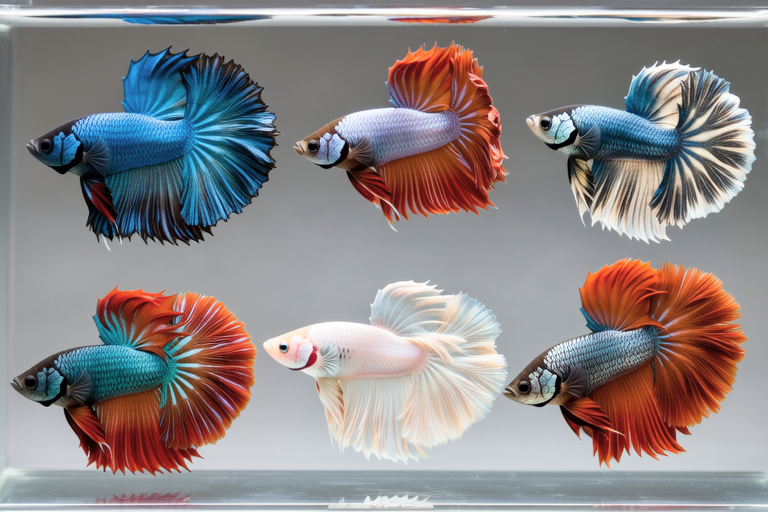
The Ultimate Guide to Choosing the Perfect Betta Color
Betta fish, also known as Siamese fighting fish, are one of the most popular choices for aquarium enthusiasts. Their striking appearance, particularly their vibrant colors, has made them a favorite among both novice and seasoned aquarists. The diversity of colors available in betta fish can be overwhelming, but understanding the genetics behind these colors and how to maintain them can greatly enhance your enjoyment of these beautiful creatures.
An Introduction to Betta Fish and Their Color Varieties
Betta fish originate from the tropical regions of Southeast Asia, where they have adapted to various environments. They are known for their elaborate fins and intense colors, which can range from deep blues and rich reds to striking purples and dazzling yellows. These colors serve multiple purposes in the wild, including attracting mates and deterring predators. In captivity, these vibrant hues add a touch of beauty and excitement to any aquarium setup.
When it comes to choosing the perfect betta color, there are several factors to consider. Understanding the genetics behind different colors, water conditions, tank mates, and personal preferences can help you make an informed decision that will lead to a healthier and more vibrant betta.
Factors to Consider When Choosing a Betta Color
Water Conditions
Water quality plays a crucial role in maintaining the health and vibrancy of betta colors. Bettas thrive in slightly acidic water with a pH between 6.8 and 7.2. Maintaining proper water parameters ensures that your betta’s colors remain bright and healthy. Regular water changes, around 20-30% weekly, are essential to prevent the buildup of harmful chemicals and bacteria.
Tank Mates
Choosing the right tank mates for your betta is important to ensure their well-being and color vibrancy. Bettas are generally aggressive towards other bettas, especially males. It’s best to keep them solitary or pair them with non-aggressive species like guppies, mollies, or tetras. Avoid housing bettas with long-finned fish, as this may lead to fin nipping and stress, which can affect their coloration.
Personal Preference
Your personal taste and aesthetic preferences play a significant role in selecting the perfect betta color. Some people prefer bold and bright colors, while others might lean toward softer pastels. Consider the decor of your aquarium and choose a color that complements it, enhancing the overall visual appeal of your setup.
Popular Betta Colors and Their Genetics
Blue Betta
The blue betta is one of the most sought-after varieties due to its striking appearance. This color is created by the combination of two genes: the black gene and the blue gene. The black gene suppresses the red pigmentation, while the blue gene enhances the blue pigment. Blue bettas often come in different shades, ranging from electric blue to royal blue. To maintain the vibrancy of blue bettas, ensure the water is slightly alkaline and avoid exposing them to harsh lighting.
Red Betta
Red bettas are known for their fiery and intense appearance. The red color is produced by the presence of the red gene, which increases the production of carotenoid pigments. These pigments are responsible for the bright red coloration. Red bettas require a balanced diet rich in carotenoids to maintain their color. Feeding them a variety of high-quality foods, including pellets and frozen bloodworms, can help enhance their redness.
Purple Betta
Purple bettas are a result of the combination of the red and black genes. The black gene suppresses the red pigment, creating a purple hue. Purple bettas can range from light lavender to deep eggplant. To keep their colors vibrant, provide a stable environment with consistent water parameters and a balanced diet.
Yellow Betta
Yellow bettas are less common compared to other colors but are equally captivating. The yellow color is produced by the presence of the xanthein gene, which increases the production of yellow pigments. Yellow bettas can vary in intensity, from pale lemon to bright gold. A diet rich in beta-carotene can help enhance their yellow coloration. Ensure the water is slightly acidic and avoid exposing them to strong UV light.
Care Tips Specific to Each Color
Each betta color requires specific care to maintain its health and vibrancy. Here are some general care tips for each color:
Blue Betta Care Tips
- Maintain slightly alkaline water (pH 7.0-7.4).
- Avoid harsh lighting to prevent fading.
- Feed a balanced diet with a focus on protein-rich foods.
Red Betta Care Tips
- Provide a balanced diet rich in carotenoids.
- Ensure the water is slightly acidic (pH 6.8-7.2).
- Minimize stress to prevent color fading.
Purple Betta Care Tips
- Keep the water parameters stable.
- Feed a varied diet to support pigment production.
- Avoid overcrowding the tank to reduce stress.
Yellow Betta Care Tips
- Maintain slightly acidic water (pH 6.8-7.0).
- Feed a diet rich in beta-carotene.
- Limit exposure to strong UV light.
Maintaining the Health and Vibrancy of Betta Colors Over Time
To ensure your betta fish remains healthy and vibrant over time, follow these tips:
Proper Diet
Feeding your betta a balanced diet is crucial for maintaining their color. High-quality pellets, frozen foods, and live foods can provide the necessary nutrients. Avoid overfeeding, as excess food can lead to poor water quality and health issues.
Regular Water Changes
Perform regular water changes to maintain optimal water quality. Changing 20-30% of the water weekly helps remove toxins and maintain a stable environment.
Stress Reduction
Minimizing stress is essential for maintaining your betta’s color. Avoid sudden changes in water parameters, overcrowding, and aggressive tank mates. Providing hiding spots and a calm environment can help reduce stress.
Lighting
Excessive exposure to harsh lighting can cause color fading. Use soft, indirect lighting to create a comfortable environment for your betta.
Genetic Diversity
When breeding bettas, consider genetic diversity to produce healthy offspring with vibrant colors. Breeding bettas with similar colors can lead to weaker offspring with less vibrant colors.
In conclusion, choosing the perfect betta color involves understanding the genetics behind different colors, considering water conditions and tank mates, and aligning with your personal preferences. By providing proper care and attention, you can ensure your betta remains healthy and vibrant over time. Whether you’re a beginner or an experienced aquarist, selecting the right betta color can bring joy and beauty to your aquarium.
