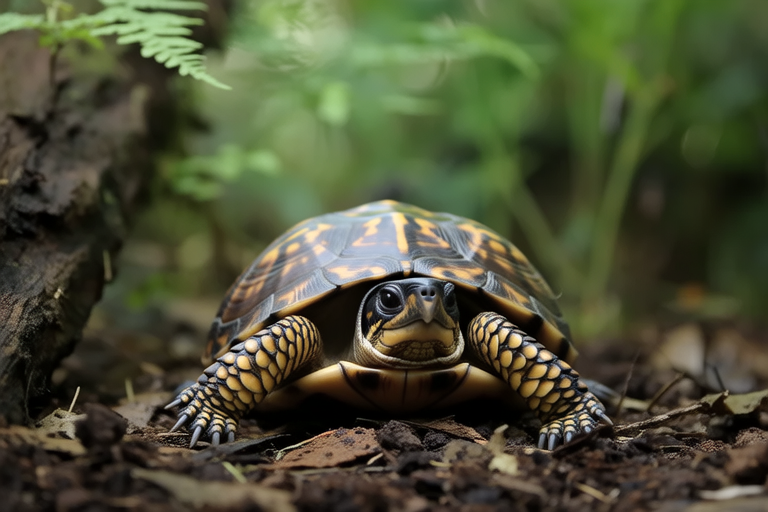
Exploring the Natural Habitat of the Three-Striped Box Turtle: What You Need to Know
The three-striped box turtle (Cuora trifasciata) is a captivating species native to Southeast Asia, particularly found in regions of southern China, Taiwan, and parts of Vietnam. This article delves into the natural habitat, preferred climate, diet, behaviors, and challenges faced by these turtles, providing an educational yet engaging exploration for those interested in wildlife and turtle conservation.
Natural Habitat
The three-striped box turtle thrives in diverse habitats within its native range. These turtles are primarily terrestrial, spending most of their time on land, but they also require access to water bodies such as streams, ponds, or marshes. They prefer areas with dense vegetation, offering both cover from predators and ample hiding spots. The natural habitat of Cuora trifasciata includes humid forests, grasslands, and wetlands. These environments provide the ideal conditions for the turtles to nest, bask, and forage for food.
Within these habitats, the turtles can be found in various microhabitats, such as under logs, in leaf litter, or among rocks. They are known to burrow into the soil during cold weather to hibernate, a behavior that helps them survive in cooler climates. Their ability to adapt to different microhabitats within their broader habitat range is crucial for their survival and thriving.
Preferred Climate
The three-striped box turtle prefers a warm, humid climate, typical of tropical and subtropical regions. Ideal temperatures range between 75°F (24°C) and 90°F (32°C), with humidity levels around 60% to 80%. These conditions are essential for maintaining their metabolism and overall health. The turtles are ectothermic, meaning they rely on external sources of heat to regulate their body temperature. Basking in the sun is a common behavior that allows them to warm up and digest their food more efficiently.
During colder months, the turtles enter a state of dormancy called brumation, similar to hibernation in mammals. They seek shelter in burrows or under debris to avoid freezing temperatures. This adaptation ensures their survival during periods when food is scarce and environmental conditions are unfavorable.
Diet
The three-striped box turtle is an omnivorous species, feeding on a variety of plant and animal matter. Their diet consists of fruits, vegetables, insects, snails, and occasionally carrion. Younger turtles tend to have a more carnivorous diet, consuming more protein-rich foods like insects and small vertebrates. As they mature, their diet shifts towards a higher proportion of plant material, including berries, leaves, and flowers.
Proper nutrition is vital for the health and longevity of these turtles. In captivity, it is essential to provide a balanced diet that mimics their natural food sources. Supplements such as calcium and vitamin D3 may be necessary to ensure adequate bone growth and overall well-being. Additionally, access to clean water is crucial for hydration and digestion.
Behaviors
Three-striped box turtles exhibit several interesting behaviors that contribute to their survival and social interactions. One of the most notable behaviors is their ability to withdraw completely into their shell, a characteristic feature of box turtles. This defense mechanism provides protection against predators, making it easier for them to survive in the wild.
Another fascinating behavior is their courtship rituals. During mating season, males engage in elaborate displays to attract females. These displays include head bobbing, nipping, and circling movements. Once a mate is chosen, copulation occurs, and the female will later lay eggs in a shallow nest dug into the ground. Incubation lasts approximately 70 to 90 days, depending on temperature and humidity levels.
Beyond reproduction, these turtles are solitary animals, often preferring to live alone except during mating season. They are active during the day, spending much of their time foraging for food, basking in the sun, and exploring their surroundings. Their curiosity and adaptability allow them to thrive in various environments.
Challenges in the Natural Environment
Despite their adaptability, three-striped box turtles face numerous challenges in their natural environment. One of the primary threats is habitat loss due to deforestation and urbanization. The conversion of forests into agricultural land and urban areas reduces the availability of suitable habitats for these turtles. This fragmentation of their natural environment leads to isolation of populations, making it harder for them to find mates and maintain genetic diversity.
Additionally, illegal poaching for the pet trade poses a significant threat to the survival of Cuora trifasciata. Many individuals are captured and sold as exotic pets, leading to a decline in wild populations. Overharvesting for traditional medicine and food consumption further exacerbates this issue. Conservationists and wildlife authorities are working diligently to address these challenges through education, enforcement of protective laws, and community engagement.
Predation is another challenge faced by these turtles. Both juveniles and adults are vulnerable to predators such as birds of prey, snakes, and larger mammals. To mitigate predation risks, the turtles rely on their ability to retreat into their shells and seek refuge in dense vegetation. However, these strategies may not always be sufficient, especially when predator populations are high.
Conservation Efforts
Recognizing the importance of preserving the three-striped box turtle, various conservation efforts are underway. One of the key initiatives is habitat restoration and protection. Organizations and governments are working together to establish protected areas where these turtles can thrive without disturbance. These protected areas provide safe havens for nesting, foraging, and other essential activities.
Reintroduction programs are another important aspect of conservation efforts. Captive-bred turtles are released into the wild to bolster declining populations. Before release, these turtles undergo a period of acclimatization to ensure they are prepared for life in the wild. Monitoring and research are conducted to track the success of these reintroduction efforts and make adjustments as needed.
Educational campaigns aimed at raising awareness about the plight of the three-striped box turtle are also critical. By educating local communities and stakeholders about the importance of protecting these turtles and their habitats, conservationists hope to foster a sense of responsibility and stewardship. Engaging schools, media outlets, and community groups helps spread the message and encourages participation in conservation efforts.
Conclusion
The three-striped box turtle is a remarkable species with unique adaptations and behaviors that make it an important part of its ecosystem. Understanding their natural habitat, preferred climate, diet, and behaviors is crucial for effective conservation efforts. Despite facing numerous challenges, ongoing efforts to protect and preserve these turtles offer hope for their future. By supporting conservation initiatives and raising awareness, we can help ensure the survival of the three-striped box turtle and the ecosystems they inhabit.
