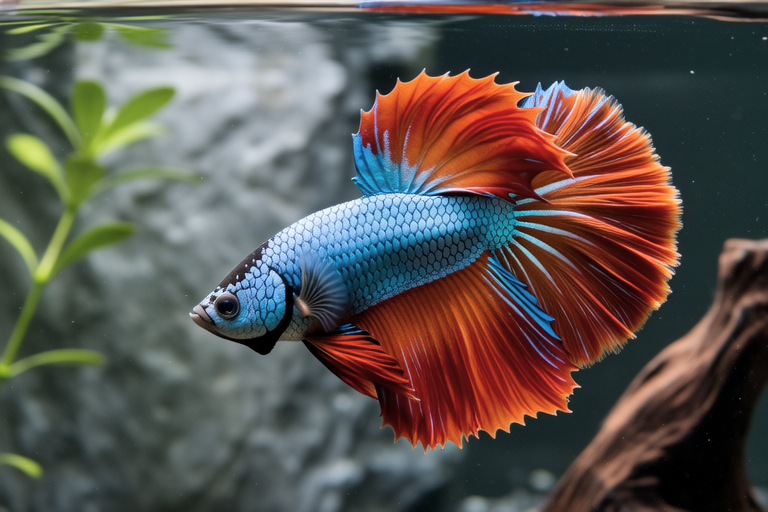
Betta Care Myths Debunked: Separating Fact from Fiction
Introduction:
Many people think that caring for a Betta fish is as simple as keeping it in a small container with minimal attention. However, this couldn’t be further from the truth. Betta fish, also known as Siamese fighting fish, have specific needs for their habitat, diet, and social interactions. This article aims to dispel some of the most common myths surrounding Betta care, offering scientific evidence and expert advice to ensure your Betta lives a long and healthy life.
Myth 1: Bettas Can Live in Small Bowls
One of the most prevalent misconceptions about Betta care is that these fish can thrive in tiny bowls. Many pet stores sell Betta fish in small containers, reinforcing this belief. However, Bettas require more space than what a typical bowl can offer.
Debunking the Myth: Bettas need at least five gallons of water to swim comfortably and maintain good health. A larger tank allows them to exercise and reduces stress. The lack of space in smaller environments can lead to poor water quality, which is detrimental to their well-being.
Expert Advice: Dr. Robert J. Goldstein, a veterinarian specializing in aquatic animals, recommends setting up a proper aquarium with a filter and heater. These elements help maintain stable water conditions, essential for Betta health.
Myth 2: Bettas Don’t Need a Filter
Another widespread belief is that Bettas don’t require filtration because they originate from stagnant waters in Southeast Asia. While it’s true that wild Bettas live in rice paddies and slow-moving streams, domesticated Bettas have different requirements.
Debunking the Myth: In captivity, Bettas produce waste just like any other fish, leading to ammonia buildup if not removed. Without a filter, the water quality can degrade rapidly, causing severe health issues such as fin rot and gill infections.
Expert Advice: Dr. Goldstein suggests using a sponge filter that provides gentle water movement without overwhelming the Betta. Additionally, regular water changes (about 25% weekly) are crucial to keep the environment clean.
Myth 3: Bettas Can Survive in Tap Water
Some believe that Bettas can survive in tap water because they come from freshwater environments. However, tap water often contains chlorine and chloramines, harmful chemicals that can irritate or kill Betta fish.
Debunking the Myth: Before adding tap water to a Betta’s tank, it must be treated with a dechlorinator. This process removes harmful substances while preserving beneficial minerals necessary for fish health.
Expert Advice: Dr. Goldstein advises checking the pH level of your tap water and adjusting it to between 6.5 and 7.5 using appropriate products available at pet stores. Maintaining proper pH levels ensures optimal health for your Betta.
Myth 4: Bettas Should Be Kept Alone
There’s a misconception that Bettas should always be kept alone due to their aggressive nature. While male Bettas are territorial and may fight with others of the same sex, female Bettas can coexist peacefully under certain conditions.
Debunking the Myth: Female Bettas can be housed together in groups called sororities. Males, however, should be separated unless breeding is intended. It’s important to provide ample hiding spots and territories within the tank to reduce aggression among males.
Expert Advice: Dr. Goldstein recommends observing the behavior of your Bettas closely when introducing new companions. If signs of aggression persist, it might be necessary to separate the fish to prevent injury.
Myth 5: Bettas Only Eat Flakes
Many people assume that feeding Bettas flake food is sufficient for their dietary needs. While flake food is convenient, it doesn’t provide all the nutrients necessary for a Betta’s optimal health.
Debunking the Myth: Bettas are carnivorous and require a diet rich in protein. High-quality pellets, frozen or freeze-dried foods like bloodworms and brine shrimp, should form the core of their diet. Occasional treats of live food can also enhance their nutrition.
Expert Advice: Dr. Goldstein suggests feeding adult Bettas twice daily with a variety of foods. Overfeeding should be avoided to prevent obesity and poor water quality.
Conclusion: Proper Betta Care for Health and Longevity
Understanding and addressing common Betta care myths is crucial for ensuring the well-being of these beautiful creatures. By providing adequate space, maintaining excellent water quality, and offering a balanced diet, you can significantly improve the lifespan and vitality of your Betta.
Proper Betta care involves more than just meeting basic survival needs; it requires creating an enriching environment where your fish can thrive. Whether you’re a beginner or an experienced aquarist, taking the time to learn about Betta requirements will reward you with a vibrant and healthy companion.
