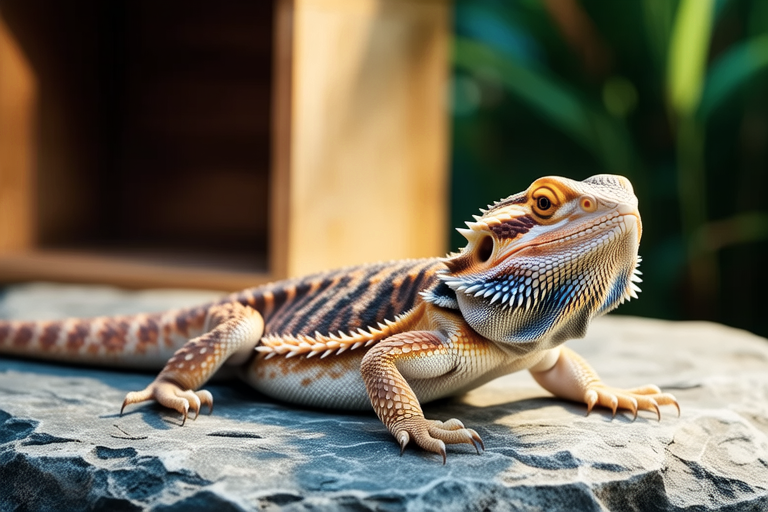
The Ultimate Bearded Dragon Behavior Cheat Sheet
Welcome to your comprehensive guide on understanding bearded dragon behavior. Whether you’re a novice or an experienced reptile owner, this cheat sheet will help you decode the actions and signals your bearded dragon communicates. We’ll explore normal behaviors, signs of health and illness, communication signals, environmental influences, common behavioral issues, and tips for addressing them.
Normal Behaviors
Bearded dragons exhibit a variety of natural behaviors that are essential for their survival and well-being. Understanding these can help you provide the best care for your pet.
- Basking: Bearded dragons love to bask under heat lamps to regulate their body temperature. They typically position themselves at a specific spot where they can achieve their ideal warmth.
- Head Bobbing: This is often seen as a form of communication, especially between males, to establish dominance.
- Puffing Up: When a bearded dragon puffs up its beard, it’s usually a defensive response or a sign of stress.
- Glass Surfing: Some bearded dragons may run into the glass of their enclosure, which is usually due to mistaking it for an escape route.
Signs of Health and Illness
Monitoring your bearded dragon’s behavior is crucial for identifying any potential health issues early. Here are some key indicators:
- Loss of Appetite: A sudden decrease in food intake could signal illness, stress, or environmental factors like incorrect temperatures.
- Lethargy: If your dragon appears unusually inactive, it might be suffering from an underlying condition.
- Breathing Issues: Rapid breathing or labored breathing can indicate respiratory infections.
- Swollen Jowls: This could suggest a bacterial infection known as ‘Mouth Rot.’
Communication Signals
Your bearded dragon uses various physical cues to communicate with both humans and other dragons.
- Blackened Beard: A darkened beard is often a sign of stress, fear, or aggression.
- Eye Blinking: Rapid blinking can mean discomfort or stress.
- Body Language: Tail flicking or swaying can indicate agitation or excitement.
- Mouth Gaping: This behavior helps regulate body temperature and is not necessarily a sign of aggression.
Environmental Influences on Behavior
The environment plays a significant role in shaping a bearded dragon’s behavior. Factors such as lighting, temperature, and enclosure size can all affect their mood and activity levels.
- Lighting: Proper UVB lighting is vital for calcium absorption and overall health. Inadequate lighting can lead to lethargy and poor appetite.
- Temperature: Maintaining the correct temperature gradient within the enclosure is crucial. Too cold, and your dragon may become sluggish; too hot, and it could suffer from heatstroke.
- Enclosure Size: An appropriately sized enclosure allows your dragon to move around freely, reducing stress and promoting healthy behavior.
Common Behavioral Issues
Like any pet, bearded dragons can develop behavioral problems that require attention. Below are some common issues and their causes.
- Overeating: Sometimes, dragons may eat more than necessary, leading to obesity. This can be caused by overfeeding or insufficient exercise.
- Stress: Stress can manifest in various ways, including excessive basking, hiding, or increased shedding. Stressors include loud noises, changes in routine, or overcrowded enclosures.
- Aggression: Male bearded dragons can become territorial and aggressive towards each other. Signs include head bobbing, puffing up, and chasing.
Tips for Addressing Common Behavioral Issues
Addressing behavioral issues requires patience and sometimes professional advice. Here are some practical solutions:
- For Overeating: Adjust feeding schedules and portion sizes. Ensure that your dragon has enough space to move and play.
- To Reduce Stress: Create a stable, quiet environment. Introduce new elements gradually and avoid sudden changes.
- To Handle Aggression: Separate male dragons if they show signs of aggression. Provide ample space and hiding spots to reduce territorial disputes.
Conclusion
Understanding your bearded dragon’s behavior is key to providing optimal care. By familiarizing yourself with their normal behaviors, signs of health and illness, communication signals, and the impact of environmental factors, you can ensure your pet leads a happy and healthy life. Remember, every bearded dragon is unique, so observe closely and tailor your approach accordingly.
For further reading and support, consult reputable veterinary resources and forums dedicated to reptile care.
