Betta Behavior Decoded: Understanding Your Pet’s Every Move
Introduction
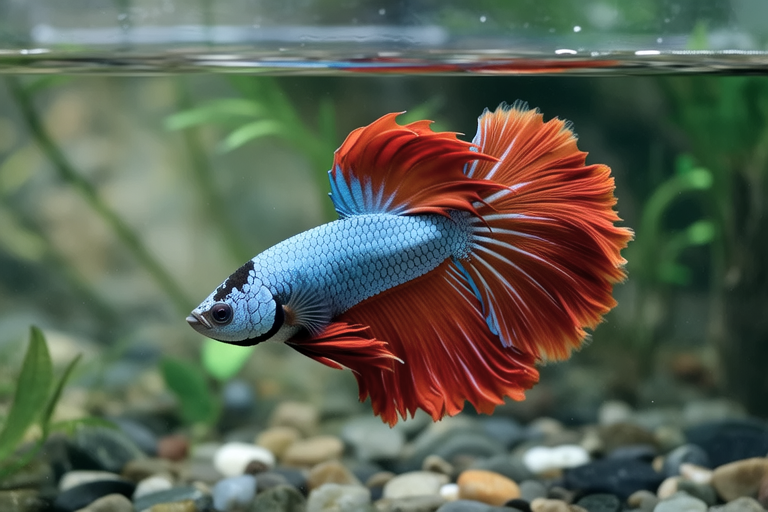
Betta fish, often referred to as Siamese fighting fish, have captivated the hearts of aquarium enthusiasts worldwide. Their vibrant colors and flowing fins make them one of the most popular choices for home aquariums. With proper care and understanding, bettas can thrive in captivity, showcasing behaviors that are both fascinating and telling about their mood and health. This article aims to decode the behaviors of your pet betta, offering insights into their actions and interactions.
Natural Behaviors in the Wild vs. Captivity
In their natural habitat, bettas are territorial creatures, particularly towards other males of their species. They inhabit shallow waters in rice paddies, streams, and slow-moving rivers in Southeast Asia. In these environments, bettas are known for their aggressive tendencies and the elaborate displays they perform during mating rituals. These behaviors, while captivating, can sometimes lead to misunderstandings when observed in captivity.
In contrast, captive bettas live in smaller spaces, which can affect their behavior. The absence of natural predators and competitors can lead to different patterns of interaction. Understanding these differences is crucial for providing the best care possible.
Common Movements and Their Meanings
Fin flicking: A common movement seen in bettas is fin flicking, which can indicate various emotions. It might be a sign of aggression if directed at another fish, but it can also be a playful gesture or simply a way to clear debris from their fins.
Darting: When a betta suddenly darts around the tank, it could be due to excitement, fear, or curiosity. If this behavior is accompanied by frequent hiding, it may signal discomfort or stress.
Flaring: One of the most iconic behaviors of bettas is flaring. This involves the fish puffing out its gill covers, making them appear larger. Flaring is usually a defensive or territorial display, often seen when another fish enters their perceived territory.
Signs of Stress or Comfort
Recognizing signs of stress in your betta is vital for ensuring their well-being. Common indicators include rapid breathing, loss of color, and lethargy. On the other hand, a healthy and comfortable betta will display vibrant colors, swim actively, and eat regularly. Providing a stable environment with appropriate water parameters and decorations can greatly reduce stress levels.
Interaction with Tank Mates
Bettas are often sold as solitary fish, but they can coexist peacefully with certain tank mates. Key considerations include the size and temperament of potential companions. Small, non-aggressive species like ghost shrimp or snails are generally safe, whereas larger or more active fish may pose threats. It’s essential to research thoroughly before introducing any new species to ensure compatibility.
Tips for Interpreting Betta Behavior Accurately
To accurately interpret your betta’s behavior, observe their routine over time. Pay attention to changes in activity levels, feeding habits, and responses to stimuli. Keeping a journal can help track these observations and identify patterns. Additionally, maintaining a consistent routine for feeding and tank maintenance can provide a stable environment, reducing unpredictable behaviors.
Maintaining a Healthy Environment
The health of your betta largely depends on the quality of their living conditions. Regular water changes, proper filtration, and a balanced diet are fundamental. Optimal water parameters include a pH level between 6.8 and 7.4, ammonia and nitrite levels at zero, and nitrate levels below 20 ppm. Ensuring adequate space and hiding spots within the tank can also contribute to a healthier and happier betta.
Conclusion
Understanding your betta’s behavior is key to providing the best care and enhancing your bond with this beautiful creature. By learning about their natural behaviors, interpreting common movements, recognizing signs of stress or comfort, and interacting appropriately with tank mates, you can ensure your betta lives a long and happy life. Remember, a healthy environment is paramount to encouraging positive behaviors. With patience and knowledge, you’ll become adept at decoding every move your betta makes.
