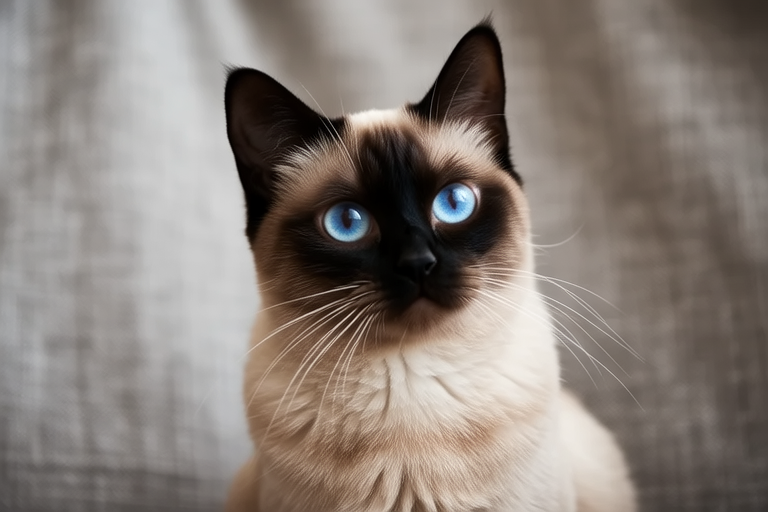
Distinct Behavioral and Personality Characteristics of Siamese Cats
The Siamese cat is one of the most recognizable and beloved breeds worldwide. Known for their striking blue almond-shaped eyes, pointy ears, and sleek, slender bodies, Siamese cats are also renowned for their distinct behavioral and personality traits. These traits have made them a favorite among cat enthusiasts and pet owners alike. This article explores the vocal nature, intelligence, loyalty, playfulness, and social tendencies of Siamese cats, analyzing how these traits manifest in various environments and providing insights into their interactions with humans and other pets. Additionally, it delves into the historical context of the breed and offers tips for potential owners based on these unique personalities.
Historical Context of the Siamese Breed
The Siamese cat originates from Thailand, formerly known as Siam, where it was considered a sacred animal and often kept in temples and palaces. The breed’s history dates back to the 14th century, with the first documented record appearing in the Cat Book Poems, a manuscript written during the Ayutthaya period (1350–1767). Siamese cats were initially revered for their mystical qualities and were believed to be guardians of wealth and fortune. They were also thought to possess the ability to guide the souls of the deceased to the afterlife. In 1884, the first Siamese cats arrived in England, and by 1900, they had become popular pets in Europe and North America. Their distinctive appearance and charming personalities quickly endeared them to many, leading to their widespread popularity today.
Vocal Nature
One of the most notable characteristics of Siamese cats is their vocal nature. They are known for being very talkative, often engaging in conversations with their owners through a series of meows, chirps, and trills. Siamese cats are highly communicative and will frequently demand attention or express their needs and desires. This vocalization can sometimes be mistaken for constant crying or whining, but it is usually a sign that they want interaction or are seeking comfort. In a quiet household, their vocal tendencies can be particularly noticeable, while in a busy home, their voices may blend more seamlessly with the background noise.
Siamese cats’ vocal nature is not limited to just meowing; they can also produce a wide range of sounds, including purring, growling, and hissing. These sounds serve various purposes, such as expressing contentment, displeasure, or even territorial warnings. Their vocal repertoire makes them excellent communicators, and they often use their voices to establish a strong bond with their human companions.
Intelligence
Siamese cats are highly intelligent and quick learners, making them easy to train. They are known for their problem-solving abilities and can often figure out how to open doors or cabinets to access treats or toys. Their intelligence allows them to adapt to new environments and situations, which can be both beneficial and challenging for owners. While their intelligence can make them excellent companions, it also means they require mental stimulation to prevent boredom and destructive behavior.
To keep Siamese cats mentally engaged, owners should provide them with interactive toys, puzzle feeders, and regular play sessions. Training sessions, such as teaching them to walk on a leash or perform tricks, can also help stimulate their minds. By keeping their brains active, owners can ensure that their Siamese cats remain happy and well-adjusted pets.
Loyalty
Siamese cats are known for their strong bonds with their owners and exhibit high levels of loyalty. They often form close relationships with one specific person in the household, becoming devoted companions who seek constant attention and affection. Siamese cats tend to follow their owners around the house, wanting to be involved in every aspect of their lives. This loyalty can manifest in various ways, such as greeting their owners at the door, curling up next to them on the couch, or even sitting on their laps during quiet moments.
In multi-pet households, Siamese cats may show preference for certain individuals over others, especially if those individuals spend more time with them. However, with proper socialization and positive reinforcement, Siamese cats can learn to coexist peacefully with other pets. It is essential for owners to introduce new animals gradually and monitor interactions closely to ensure a harmonious living environment.
Playfulness
Siamese cats are naturally playful and enjoy engaging in activities that challenge their agility and coordination. They are particularly fond of toys that involve chasing, pouncing, and batting, such as feather wands or laser pointers. Siamese cats have a strong prey drive, which can make them enthusiastic hunters. Owners should provide them with plenty of opportunities to engage in play and exercise to satisfy this instinct and maintain their physical health.
Siamese cats also enjoy interactive play with their owners, which can strengthen the bond between them. Playing with your Siamese cat regularly can help prevent boredom and destructive behavior. It is important to choose appropriate toys and games that cater to their energy levels and preferences. Owners should also be mindful of their cat’s age and health when selecting activities to ensure they remain safe and enjoyable.
Social Tendencies
Siamese cats are highly social creatures that thrive in environments where they receive ample attention and affection. They enjoy spending time with their human companions and may become distressed if left alone for extended periods. Siamese cats are known to suffer from separation anxiety, which can lead to destructive behaviors such as scratching furniture or excessive vocalization. To prevent these issues, owners should provide their Siamese cats with plenty of companionship and mental stimulation throughout the day.
In addition to their attachment to humans, Siamese cats can also develop strong bonds with other pets, particularly if introduced early in life. They tend to get along well with dogs and cats, provided there is proper socialization and supervision. Siamese cats are generally friendly towards strangers and may even greet visitors with curiosity and enthusiasm. However, some Siamese cats may be more reserved or cautious around unfamiliar people, especially if they have not been adequately socialized.
Interactions with Humans and Other Pets
Siamese cats are known for their strong bonds with their human companions and can form close relationships with one specific person in the household. They are highly communicative and will frequently demand attention or express their needs and desires. Their vocal nature makes them excellent communicators, and they often use their voices to establish a strong bond with their human companions. Siamese cats tend to follow their owners around the house, wanting to be involved in every aspect of their lives.
In multi-pet households, Siamese cats may show preference for certain individuals over others, especially if those individuals spend more time with them. However, with proper socialization and positive reinforcement, Siamese cats can learn to coexist peacefully with other pets. It is essential for owners to introduce new animals gradually and monitor interactions closely to ensure a harmonious living environment. Siamese cats are generally friendly towards strangers and may even greet visitors with curiosity and enthusiasm. However, some Siamese cats may be more reserved or cautious around unfamiliar people, especially if they have not been adequately socialized.
Tips for Potential Owners
If you’re considering adopting a Siamese cat, there are several factors to keep in mind to ensure a successful and fulfilling relationship:
- Provide Mental Stimulation: Siamese cats require mental stimulation to prevent boredom and destructive behavior. Provide them with interactive toys, puzzle feeders, and regular play sessions.
- Ensure Social Interaction: Siamese cats thrive on social interaction and may become distressed if left alone for extended periods. Ensure they receive plenty of companionship and attention throughout the day.
- Introduce New Animals Gradually: If introducing a Siamese cat to other pets, do so gradually and under supervision. Proper socialization can help foster peaceful coexistence.
- Be Prepared for Vocal Communication: Siamese cats are known for their vocal nature and will frequently communicate their needs and desires. Be prepared for regular conversations and be responsive to their calls.
- Consider Their Prey Drive: Siamese cats have a strong prey drive, which can make them enthusiastic hunters. Provide them with plenty of opportunities to engage in play and exercise to satisfy this instinct.
- Monitor Interactions with Strangers: Some Siamese cats may be more reserved or cautious around unfamiliar people, especially if they have not been adequately socialized. Monitor their interactions with strangers and provide positive reinforcement to build confidence.
By understanding the unique behavioral and personality characteristics of Siamese cats, potential owners can better prepare themselves for the challenges and rewards of owning one of these special feline companions. With proper care, attention, and enrichment, Siamese cats can bring years of joy, companionship, and entertainment to their human families.
