A Beginner’s Guide to Caring for Your First Chilean Rose Tarantula Pet
Welcome to the wonderful world of tarantula ownership! If you’re considering adopting a Chilean rose tarantula as your first pet, you’ve made an excellent choice. These docile, low-maintenance arachnids are perfect for beginners and offer a unique, fascinating experience. This guide will walk you through everything you need to know to provide your new friend with a comfortable and healthy environment.
Understanding Your New Friend: The Chilean Rose Tarantula
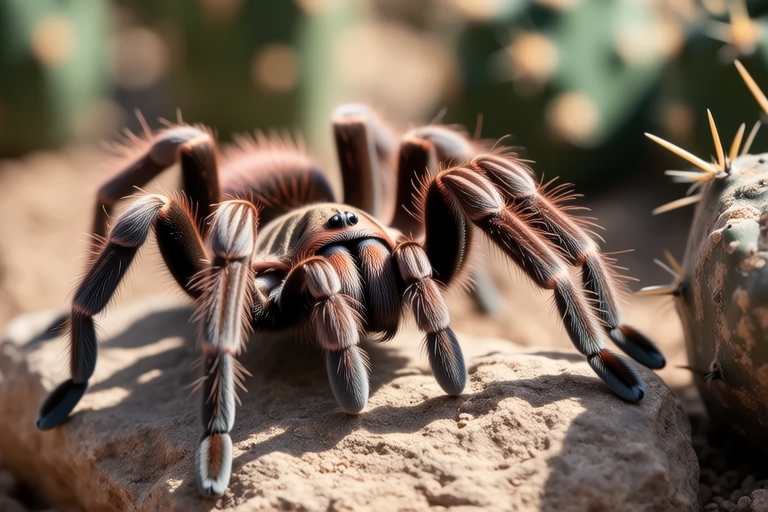
The Chilean rose tarantula (Grammostola rosea) is one of the most popular tarantulas among hobbyists due to its gentle nature and ease of care. Originating from the deserts of South America, these spiders have a pinkish hue when they first molt, which fades to a darker brown as they mature. They can live up to 20 years, so it’s important to be prepared for a long-term commitment.
Habitat Setup
Creating a suitable habitat for your Chilean rose tarantula is crucial for its well-being. Here’s what you’ll need:
Terrarium Size
Choose a terrarium that provides ample space for your tarantula to move around comfortably. A general rule of thumb is to have a tank that is at least three times the leg span of the spider in length and width. For example, if your tarantula has a leg span of 6 inches, the tank should be at least 18 inches in length and width.
Substrate
The substrate should mimic the natural environment of the tarantula. A mix of coconut fiber and peat moss works well, providing good drainage and moisture retention. It should be deep enough for the tarantula to burrow into, typically about 4-6 inches deep.
Hiding Spots
Your tarantula needs a place to feel secure and hide. You can use cork bark, half logs, or plastic plants. Make sure the hiding spot is large enough for the tarantula to fit inside comfortably but small enough that it doesn’t feel too big and exposed.
Temperature and Humidity Requirements
Chilean rose tarantulas thrive in temperatures between 75°F and 85°F (24°C to 29°C). Use a thermometer to monitor the temperature inside the terrarium. Maintain humidity levels between 50% and 70%. A hygrometer will help you keep track of the humidity levels. If the air becomes too dry, mist the substrate occasionally to raise the humidity.
Feeding Habits
Chilean rose tarantulas are opportunistic feeders, meaning they will eat whatever prey is available. In captivity, they can be fed appropriately sized crickets, mealworms, or dubia roaches. Feed your tarantula once every 7-10 days, adjusting the frequency based on its activity level and size. Always remove uneaten prey after 24 hours to prevent them from biting or stinging your tarantula.
Handling Tips
While Chilean rose tarantulas are generally docile, they can become stressed easily, especially when handled. Here are some tips to ensure safe handling:
Preparation
Before handling your tarantula, make sure your hands are clean and free of any strong odors. Wash them thoroughly and avoid using lotions or perfumes.
Proper Handling
When picking up your tarantula, gently scoop it up from underneath, supporting its body. Be careful not to squeeze or apply pressure to its abdomen. Always handle your tarantula over a soft surface, like a towel or blanket, in case it falls.
Minimizing Stress
Handle your tarantula infrequently and only when necessary. Frequent handling can cause stress, which may lead to molting issues or other health problems. Allow your tarantula to acclimate to its new home before attempting to handle it.
Health Concerns
Despite their hardiness, tarantulas can face health issues. Regular monitoring and prompt action can prevent many problems. Here are some common health issues to watch out for:
Molting
Molting is a natural process where the tarantula sheds its exoskeleton to grow. During this time, the tarantula becomes very vulnerable. To help your tarantula molt successfully, maintain proper humidity levels and provide a humid hide. Do not disturb your tarantula during this period.
Parasites
Parasites can affect your tarantula’s health. Keep the enclosure clean and avoid introducing pests by quarantining new prey items. If you suspect a parasite infestation, consult a veterinarian specializing in exotic animals.
Injuries
If your tarantula sustains an injury, such as a broken leg or a puncture wound, isolate it from other pets and contact a specialist for treatment. Clean wounds with a saline solution and monitor for signs of infection.
Common Myths About Tarantulas
There are many misconceptions about tarantulas that can deter potential owners. Let’s debunk some of the most common myths:
Myth 1: Tarantulas Are Aggressive
Chilean rose tarantulas are generally calm and docile. While they may flick urticating hairs if threatened, they are not aggressive toward humans. With proper handling, they can even become accustomed to regular interaction.
Myth 2: Tarantulas Require Specialized Equipment
Setting up a tarantula habitat is straightforward and doesn’t require expensive equipment. A basic terrarium, substrate, and heating device are sufficient for creating a comfortable environment. Avoid overcomplicating the setup with unnecessary gadgets.
Myth 3: Tarantulas Are Dangerous
While all tarantulas have venom, their bites are rarely harmful to humans. The venom is primarily used to subdue prey, and the fangs of most species are too small to penetrate human skin effectively. In rare cases, an allergic reaction might occur, but this is uncommon.
Myth 4: Tarantulas Need Constant Attention
Tarantulas are solitary creatures that don’t require constant interaction. They prefer quiet environments and minimal disturbance. Providing a suitable habitat and feeding them regularly are the main responsibilities of a tarantula owner.
Conclusion
Caring for a Chilean rose tarantula can be a rewarding and educational experience. By understanding their habitat, feeding habits, and health needs, you can ensure your pet lives a long and healthy life. Remember to approach your tarantula with respect and patience, and always prioritize its comfort and safety. With the right care, your Chilean rose tarantula will become a beloved member of your household.
