Truths and Myths About Siberian Huskies
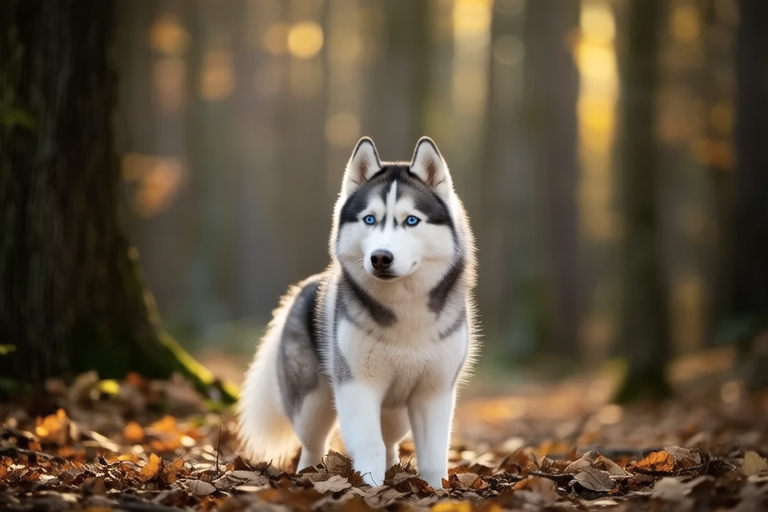
Siberian Huskies are one of the most recognizable dog breeds, known for their striking blue or multi-colored eyes, thick coats, and wolf-like appearance. They have captured the hearts of many due to their beauty and strength. However, there are several myths surrounding these dogs that can mislead potential owners. This article will explore common myths and contrast them with factual realities about Siberian Huskies’ temperament, health, exercise needs, and care requirements.
The History and Origin of Siberian Huskies
Siberian Huskies originated from the Chukchi people of Northeastern Asia. These nomadic tribes bred the dogs to pull sleds across vast distances in harsh Arctic conditions. The Chukchi people relied on these dogs for transportation, hunting, and protection. In 1908, Siberian Huskies were introduced to North America when they competed in the All-Alaskan Sweepstakes, an annual sled dog race. The breed quickly gained popularity, and in 1930, the American Kennel Club recognized them as a distinct breed.
Temperament and Behavioral Traits
One of the most common myths about Siberian Huskies is that they are aggressive and dangerous. This misconception likely stems from their wolf-like appearance. However, Siberian Huskies are generally friendly and gentle. They are pack animals and thrive in social environments. While they may be aloof with strangers, they are usually not aggressive unless provoked. Their natural instincts make them protective of their family and territory, but they are not typically aggressive towards other animals.
Another myth is that Siberian Huskies are fiercely loyal. While they are affectionate and loyal to their families, they are also independent thinkers. This trait makes them less obedient than some other breeds. They require patient and consistent training methods. Positive reinforcement techniques work best with Siberian Huskies. They respond well to rewards and praise, but they can be stubborn if they do not see the point in following commands.
Health and Exercise Needs
Siberian Huskies are known for their endurance and athleticism. They have high energy levels and require plenty of exercise to stay healthy and happy. A common myth is that they only need minimal exercise. This could not be further from the truth. Siberian Huskies need at least two hours of physical activity daily. Without adequate exercise, they can become restless and destructive. They enjoy running, hiking, and playing fetch. Providing them with a large yard or access to a park where they can run freely is ideal.
Another myth is that Siberian Huskies are prone to numerous health issues. While like all breeds, they can develop certain health problems, Siberian Huskies are generally healthy dogs. Some common health issues include hip dysplasia, eye problems, and skin allergies. Regular veterinary check-ups and proper nutrition can help prevent and manage these conditions. It’s important to choose a reputable breeder who screens for genetic disorders before purchasing a Siberian Husky.
Dietary Needs and Grooming Tips
Siberian Huskies have specific dietary needs to maintain their energy levels and muscle mass. They require a high-protein diet rich in essential nutrients. High-quality commercial dog food or home-cooked meals can meet their nutritional requirements. Avoid feeding them table scraps or human food, as it can lead to obesity and other health issues. Fresh water should always be available, especially during hot weather.
Grooming is another crucial aspect of caring for a Siberian Husky. They have a thick double coat that sheds heavily twice a year. Regular brushing, especially during shedding seasons, can help reduce hair around the house. Bathing them every few months is sufficient, but more frequent baths may be necessary if they get dirty or have a strong odor. Nail trimming, ear cleaning, and dental care are also essential parts of their grooming routine.
Lifespan and Typical Challenges
Siberian Huskies have a typical lifespan of 12 to 14 years. With proper care, they can live long and healthy lives. However, potential owners should be aware of the challenges associated with owning a Siberian Husky. Their independence and intelligence can make them challenging to train. They require experienced handlers who understand positive reinforcement techniques. Their high energy levels and need for exercise can also be demanding for some owners. Providing them with enough mental and physical stimulation is crucial to prevent boredom and destructive behavior.
Creating a Suitable Environment
To create a suitable environment for a Siberian Husky, owners should consider their exercise needs, socialization, and grooming requirements. A spacious backyard with secure fencing is ideal for them to run and play. Regular walks and trips to the dog park can also satisfy their need for physical activity. Socializing them with other dogs and people from a young age helps them develop good manners and confidence. Providing them with toys and puzzles can keep their minds engaged and prevent boredom.
In conclusion, Siberian Huskies are beautiful and intelligent dogs with unique temperaments and care requirements. By understanding their history, origin, and behavioral traits, potential owners can make informed decisions about whether this breed is right for them. Debunking common myths and providing factual information about their health, exercise needs, and care requirements can help ensure a happy and healthy life for both the dog and its owner. With proper care and attention, Siberian Huskies can be wonderful companions for many years.
