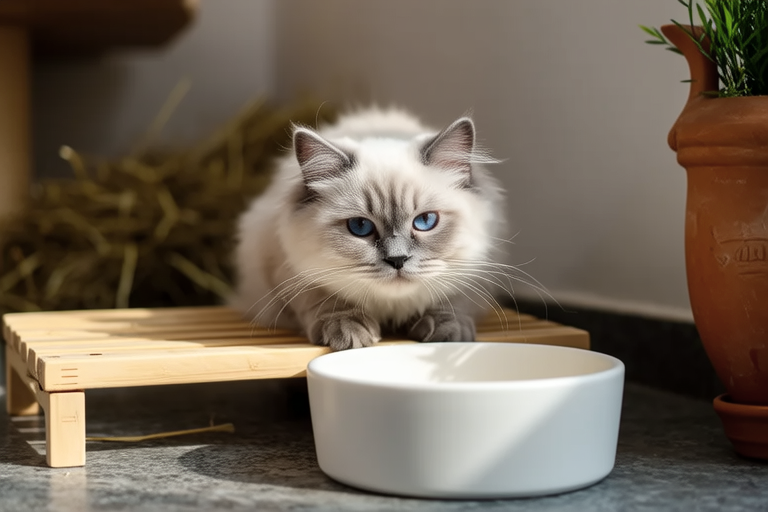
The Ultimate Guide: How to Set Up the Perfect Habitat for Your Chinchilla
Selecting the Right Cage Size and Material
Choosing the right cage is crucial for your chinchilla’s health and happiness. A spacious cage ensures your pet has ample room to move around and engage in natural behaviors. Opt for a cage that is at least 3 feet wide, 2 feet deep, and 3 feet tall. Bigger cages are always better, allowing for more freedom of movement. The cage should be made of materials that are safe and easy to clean, such as stainless steel or powder-coated metal. Avoid wooden cages as they can be easily chewed and may harbor bacteria.
Essential Bedding Options
Bedding is essential for providing comfort and absorbing waste. Use dust-free bedding such as paper-based products or recycled newspaper. Avoid pine or cedar shavings as they can irritate your chinchilla’s respiratory system. Change the bedding regularly to maintain hygiene and prevent odors. Ensure the bedding is absorbent and soft to promote a comfortable environment.
Temperature and Humidity Requirements
Chinchillas thrive in cool environments with temperatures between 60°F and 70°F (15°C to 21°C). Avoid exposing them to temperatures above 80°F (27°C) as it can lead to heatstroke. Maintain humidity levels between 40% and 60%. High humidity can cause skin issues, while low humidity can lead to dry skin and respiratory problems. Use a humidifier if necessary to maintain optimal humidity levels.
Proper Ventilation
Ensure your chinchilla’s cage has adequate ventilation to prevent overheating and the buildup of harmful gases. Install mesh sides or wire bars that allow air to circulate freely. Avoid placing the cage in direct sunlight or near heat sources. Position the cage in a well-ventilated area away from drafts to maintain a stable temperature.
Necessary Toys and Accessories for Mental Stimulation
Toys and accessories are vital for keeping your chinchilla mentally stimulated and physically active. Provide chew toys made of safe materials like untreated wood or cardboard to satisfy their chewing instincts. Add platforms, tunnels, and hammocks for climbing and exploring. Rotate toys periodically to keep your chinchilla engaged and prevent boredom. Ensure all toys are safe and free from small parts that could be swallowed.
Feeding Stations Setup
Set up a designated feeding station within the cage to provide a consistent and comfortable eating area. Place the food dish in an easily accessible location away from the litter box to prevent contamination. Use shallow, heavy-duty dishes to minimize spillage and ensure your chinchilla can comfortably reach its food. Provide fresh water daily using a water bottle designed for small animals. Check the water level frequently to ensure it remains accessible.
Hiding Spots Importance
Chinchillas are naturally shy and need a place to retreat when feeling stressed or overwhelmed. Incorporate hiding spots into their habitat, such as tunnels or enclosed areas. These spaces provide security and help reduce anxiety. Ensure the hiding spots are large enough for your chinchilla to fit comfortably and have multiple entry points for easy access.
Cleaning and Maintenance Tips
Maintaining a clean and hygienic habitat is crucial for your chinchilla’s health. Clean the cage weekly by removing soiled bedding and wiping down surfaces with a mild disinfectant. Replace bedding regularly to prevent odors and bacterial growth. Inspect the cage for any signs of wear or damage and repair or replace as needed. Regular cleaning helps prevent illnesses and keeps your chinchilla happy and healthy.
Safety Precautions to Avoid Common Hazards
Take precautions to ensure your chinchilla’s safety by avoiding common hazards. Secure the cage with locks to prevent escape and keep it out of reach of other pets. Use safe bedding materials and avoid anything that could be ingested or cause respiratory issues. Provide chew toys to redirect chewing behavior away from the cage bars. Monitor your chinchilla during playtime and remove any toys that become damaged or pose a choking hazard.
Advice on Regular Habitat Checks to Ensure Optimal Living Conditions
Regularly inspect your chinchilla’s habitat to ensure it remains in optimal condition. Check for any signs of wear or damage and address them promptly. Monitor temperature and humidity levels to ensure they remain within the recommended range. Observe your chinchilla’s behavior and activity levels for any changes that may indicate discomfort or illness. Regular checks help you address issues before they escalate and ensure your chinchilla remains healthy and content.
