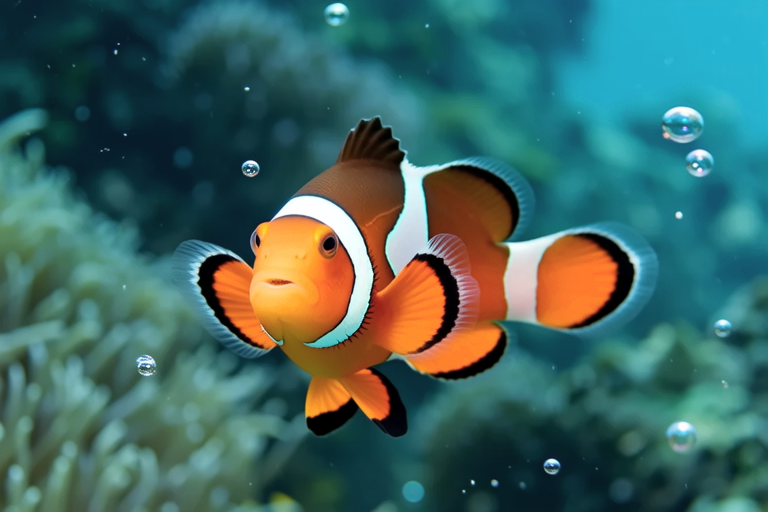
From Ocean to Tank: Everything You Need to Know About Clownfish
Introduction:
The clownfish, also known as anemonefish, is one of the most recognizable and beloved marine creatures. These vibrant fish have captured the hearts of both marine enthusiasts and casual observers alike, thanks to their striking appearance and their iconic symbiotic relationship with sea anemones. In this article, we will explore the world of clownfish, from their natural habitat to their care in aquariums, and delve into the fascinating aspects of their biology and behavior.
The Symbiotic Relationship Between Clownfish and Sea Anemones
In the vast and mysterious world of the ocean, the clownfish has developed a unique and mutually beneficial relationship with sea anemones. This symbiosis is a prime example of nature’s intricate balance. The clownfish, protected by the stinging tentacles of the anemone, finds refuge from predators and a place to lay its eggs. In return, the clownfish provides nutrients to the anemone through its waste products and attracts other small fish that the anemone can consume. This relationship has fascinated biologists and marine enthusiasts for decades, and it remains one of the most studied examples of mutualism in the animal kingdom.
Diversity Within the Clownfish Family
While the orange-and-white-striped clownfish may be the most famous, there are actually around 30 different species of clownfish, each with its own unique characteristics. Some species, like the false clownfish (Amphiprion ocellaris), are known for their bright coloration and bold stripes, while others, such as the tomato clownfish (Amphiprion frenatus), have a more subdued palette of red and white. Each species also differs in size, ranging from the tiny pink skunk clownfish (Amphiprion perideraion) to the larger maroon clownfish (Premnas biaculeatus). Understanding these differences is crucial for anyone looking to bring a clownfish into their home aquarium.
Setting Up the Ideal Tank for Clownfish
Creating the perfect environment for your clownfish involves several key factors. First and foremost, the water quality must be impeccable. Clownfish thrive in saltwater tanks with a specific gravity of approximately 1.020 to 1.025, a temperature range of 76 to 82 degrees Fahrenheit, and a pH level between 8.1 and 8.4. Regular water changes and the use of high-quality filtration systems are essential to maintaining these conditions.
Tank size is another critical consideration. Clownfish need ample space to swim and establish territories. A minimum tank size of 30 gallons is recommended for a single pair or small group of clownfish. For larger groups, a tank of at least 55 gallons is advisable. Additionally, providing hiding spots and caves made from rocks or PVC pipes will help reduce stress and encourage natural behaviors.
When selecting tank mates for your clownfish, it’s important to choose compatible species. Clownfish are generally peaceful but can become territorial when defending their anemone or eggs. Suitable tank mates include other small, non-aggressive fish like cardinal tetras, guppies, and small shrimp. Avoid placing clownfish with aggressive species or those that might prey on them.
Feeding your clownfish a balanced diet is vital for their health and longevity. In the wild, they primarily feed on zooplankton, algae, and small crustaceans. In captivity, a mix of high-quality flake food, frozen brine shrimp, and mysis shrimp will ensure they receive all necessary nutrients. Feeding should be done twice daily, and it’s important to avoid overfeeding to maintain water quality.
Breeding Clownfish in Captivity
Breeding clownfish in captivity can be a rewarding experience for experienced aquarists. To start, you’ll need a mature pair of clownfish, typically between 12 to 18 months old. Once paired, the female will lay her eggs on a flat surface, often near the base of the anemone or on a rock. The male then fertilizes the eggs and takes on the role of guardian, fanning the eggs with his fins to provide oxygen and ward off predators.
The incubation period lasts about 6 to 10 days, depending on water temperature. After hatching, the fry will remain attached to the substrate for a few days before becoming free-swimming. At this stage, they require infusoria or rotifers as a first food source, transitioning to baby brine shrimp as they grow. With proper care, clownfish fry can reach maturity within 6 to 9 months.
Conservation Status and Impact of Climate Change
Despite their popularity, clownfish face numerous threats in the wild, primarily due to habitat destruction, pollution, and overfishing. Many species are listed as vulnerable or endangered, with some populations experiencing significant declines. Conservation efforts focus on protecting coral reefs, which serve as the primary habitat for clownfish and their anemones. Initiatives such as marine protected areas and sustainable fishing practices are crucial for ensuring the survival of these remarkable creatures.
Climate change poses an additional threat to clownfish and their ecosystems. Rising sea temperatures and increased acidity levels can lead to coral bleaching and reduced oxygen levels in the water, directly impacting the health and survival of clownfish. Moreover, changes in ocean currents can disrupt the reproductive cycles of clownfish, further jeopardizing their future.
In conclusion, clownfish are not only captivating and beautiful creatures but also play a vital role in marine ecosystems. By understanding their needs and supporting conservation efforts, we can help ensure the survival of these iconic fish for generations to come. Whether you’re a seasoned aquarist or simply curious about marine life, learning about clownfish offers a glimpse into the wonders of the underwater world.
