Norwegian Pets: Secrets to a Happy and Healthy Home Life
Welcome to a comprehensive guide on how to ensure your pet leads a happy and healthy life in Norway. With over 48% of households owning at least one pet, Norway boasts one of the highest rates of pet ownership in Europe. This article will explore the unique aspects of pet care in Norway, providing you with practical advice and insights from local veterinarians.
Understanding Pet Ownership in Norway
In Norway, pets are considered part of the family, with many households treating their furry friends as cherished companions. The strong bond between humans and animals is deeply rooted in Norwegian culture, where pets are often included in family activities and treated with the same level of care and affection as human members. According to recent surveys, 90% of pet owners in Norway believe that their pets contribute positively to their mental health and well-being.
Dietary Tips for Norwegian Pets
The dietary needs of pets in Norway can vary depending on their breed, age, and activity level. However, there are some general guidelines that can help ensure your pet maintains a healthy diet. Many Norwegian pet owners opt for high-quality commercial pet food, which is widely available in supermarkets and specialized pet stores. It’s important to choose a brand that provides balanced nutrition, rich in essential vitamins and minerals.
For those who prefer a homemade approach, incorporating locally sourced ingredients into your pet’s meals can be beneficial. Fresh fish, such as salmon or trout, is a popular choice due to its high omega-3 fatty acid content, which supports skin and coat health. Additionally, berries like lingonberries and cloudberries are rich in antioxidants and can be added to your pet’s diet in moderation.
When feeding your pet, it’s crucial to avoid foods that can be harmful. For example, chocolate, onions, and garlic are toxic to dogs and cats. Grapes and raisins can also cause kidney failure in some pets. Always consult with your veterinarian before making significant changes to your pet’s diet.
Exercise Routines Suitable for Norwegian Climates
The cold Norwegian winters and short summers present unique challenges when it comes to exercising your pet. In the winter, it’s important to provide your pet with warm clothing and ensure they have access to a heated area indoors. Short-haired breeds may benefit from wearing a coat or sweater during walks.
Dog parks and designated areas for off-leash play are common in Norway, offering pets a chance to socialize and burn off energy. During the summer months, hiking in Norway’s stunning landscapes is a popular activity for both humans and their pets. Trails are marked and maintained, making them safe and accessible for pets. Always carry water and ensure your pet has regular breaks to prevent overheating.
Indoor activities can also be a great way to keep your pet active. Puzzle toys, interactive feeders, and training sessions can stimulate your pet mentally and physically. Teaching your pet new tricks or commands is a rewarding experience that strengthens the bond between you and your pet.
Indoor Entertainment Ideas for Pets
With long, dark winters and sometimes harsh weather conditions, indoor entertainment becomes crucial for keeping pets entertained and engaged. Interactive toys, such as treat-dispensing balls or puzzle feeders, can keep your pet mentally stimulated. These toys challenge your pet to solve problems, promoting cognitive development and preventing boredom.
Creating a designated play area within your home can also enhance your pet’s quality of life. This space should include comfortable bedding, scratching posts for cats, and chew toys for dogs. Regularly rotating toys can keep your pet interested and excited about playtime.
Another excellent option for indoor entertainment is setting up a window perch or bird feeder outside your window. Watching birds and other wildlife can provide hours of entertainment for your pet. Just make sure the perch is secure and offers a clear view without obstructing natural light.
Grooming Needs Specific to Norwegian Breeds
Norway is home to several unique dog breeds, each with specific grooming needs. The Norwegian Elkhound, for instance, has a dense double coat that requires regular brushing to prevent matting and shedding. Bathing should be done sparingly, as frequent washing can strip the coat of its natural oils.
The Lundehund, another Norwegian breed, has a distinctive coat with tufts of fur around the feet and ears. Grooming this breed involves gentle brushing to remove loose hair and maintain the coat’s texture. It’s important to be gentle when handling the Lundehund, as they are prone to joint issues.
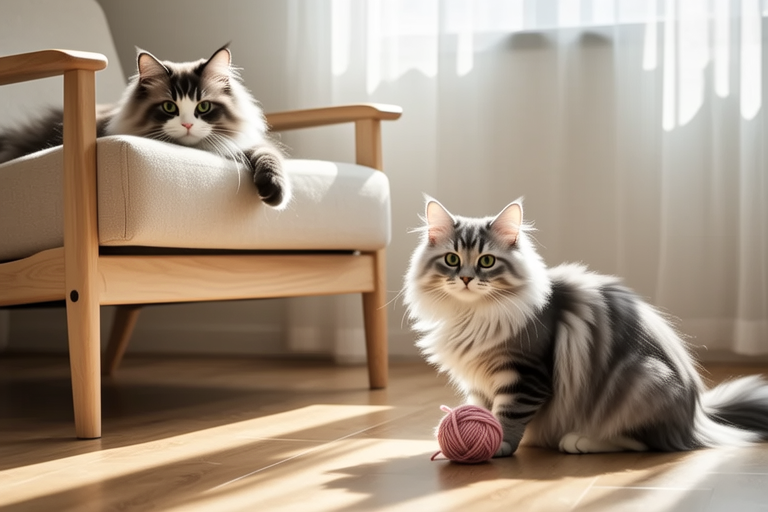
Cats in Norway also have specific grooming needs. Long-haired breeds, such as the Norwegian Forest Cat, require daily brushing to prevent tangles and mats. Short-haired breeds benefit from weekly brushing to distribute natural oils throughout the coat.
Regular nail trimming and ear cleaning are essential grooming practices for all pets. Trimming nails prevents overgrowth and discomfort, while cleaning ears helps prevent infections. Consult with your veterinarian for proper techniques and tools.
Advice from Local Veterinarians
We spoke with several veterinarians across Norway to gather expert advice on maintaining your pet’s health. Dr. Anna Larsen, a veterinarian based in Oslo, emphasizes the importance of regular check-ups. “Preventive care is key to ensuring your pet remains healthy,” she says. “Annual visits allow us to catch potential issues early and address them before they become serious.”
Dr. Larsen also recommends spaying or neutering your pet. “This procedure not only prevents unwanted litters but also reduces the risk of certain cancers and behavioral issues,” she explains. “It’s a responsible choice that benefits both your pet and the community.”
Another common issue in Norwegian pets is dental health. Dr. Karl Mikkelsen, a veterinarian in Bergen, advises regular dental cleanings and monitoring for signs of tooth decay or gum disease. “Brushing your pet’s teeth daily can significantly improve their oral hygiene and overall health,” he says.
Cultural Perspectives on Pet-Human Relationships
In Norway, pets are often seen as members of the family, with many households treating their pets with the same level of care and affection as human members. This strong bond is reflected in various cultural practices. For example, it’s common for Norwegians to take their pets on vacation with them, whether it’s a weekend trip or a longer holiday. Pet-friendly accommodations are widely available, ensuring that pets can enjoy the same experiences as their human companions.
The concept of ‘hygge,’ which emphasizes coziness and contentment, extends to pet care in Norway. Many pet owners prioritize creating a warm and inviting environment for their pets, using soft bedding, blankets, and toys that promote relaxation and comfort.
Legislative Measures Impacting Pet Welfare
Norway has implemented several legislative measures to protect the welfare of pets. The Animal Welfare Act, enacted in 2009, sets strict guidelines for the treatment of animals, ensuring they are provided with adequate food, water, shelter, and medical care. The act also prohibits cruel or inhumane treatment of animals and mandates that pet owners are responsible for the behavior of their pets.
Microchipping is mandatory for all dogs in Norway, ensuring that lost pets can be quickly returned to their owners. Vaccination requirements are also strictly enforced to prevent the spread of infectious diseases among pets.
The government also provides funding for animal shelters and rescue organizations, supporting efforts to find homes for stray and abandoned animals. Additionally, Norway has banned the sale of puppies and kittens from pet shops, encouraging responsible breeding and adoption practices.
Conclusion
Maintaining a happy and healthy home life for your pet in Norway involves understanding the unique aspects of pet care in this country. From dietary tips and exercise routines to grooming needs and cultural perspectives, there are many factors to consider. By following the advice provided by local veterinarians and staying informed about legislative measures, you can ensure that your pet enjoys a fulfilling and joyful life in Norway.
